Solanaceae
Goji Berry (Lycium barbarum) Care Guide
Lycium barbarum
Goji berry (Lycium barbarum) is an easy-to-grow, drought-tolerant deciduous shrub that thrives in full sun with well-draining, slightly alkaline soil. Water deeply about once a week, prune annually to control size and boost fruiting, and watch for root rot in soggy soil.
Every 7 days
Direct sun
10° - 35°C
% - %
Categories
What is Goji Berry?
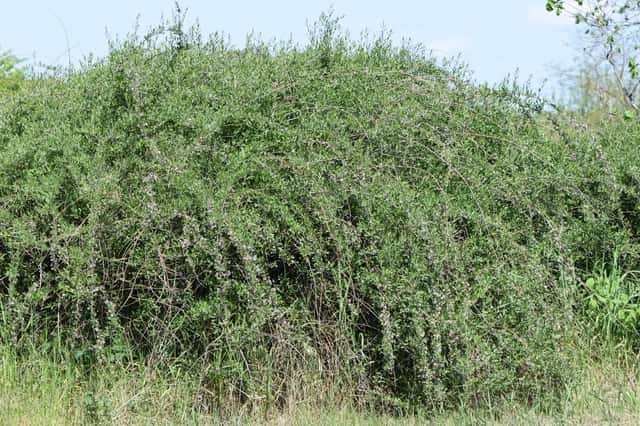
Goji Berry (Lycium barbarum) is a easy-care plant from the Solanaceae family. Lycium barbarum, commonly known as goji berry or wolfberry, is a deciduous woody shrub native to China, prized for its bright orange-red, nutrient-rich berries and long history of use in Traditional Chinese Medicine. It grows as an arching, spreading bush up to 3 m tall and is valued both as an edib...
Goji Berry grows up to 3.0m, spread of 300cm, watering every 7 days, 10°C – 35°C. It is not suitable for indoor environments and not safe for pets.
Unlike many tropical plants, Goji Berry tolerates watering mistakes. Best for beginners. Without precautions, ingestion can cause irritation in pets. Keep out of reach of cats and dogs.
How to Care for Goji Berry?
TLDR: Goji Berry needs Direct sun, watering every 7 days, and temperatures between 10-35°C with 40-70% humidity.
How Often Should You Water Goji Berry?
Water deeply once a week (about 1 inch), more often while establishing; let the soil dry between waterings to avoid root rot.
How Much Light Does Goji Berry Need?
Provide at least 8 hours of full sun daily for the best flowering and fruit production; light shade is tolerated but reduces yield.
What Is the Best Soil for Goji Berry?
Plant in well-draining, slightly alkaline soil (pH 6.5-8.0); light loam or sandy loam is ideal, and waterlogged clay should be avoided.
What Pot Should You Use for Goji Berry?
Best planted directly in the ground, but if grown in a container, choose a large (40+ L) pot with excellent drainage to accommodate its vigorous roots.
What Is Goji Berry and Where Does It Come From?
Lycium barbarum, commonly known as goji berry or wolfberry, is a deciduous woody shrub native to China, prized for its bright orange-red, nutrient-rich berries and long history of use in Traditional Chinese Medicine. It grows as an arching, spreading bush up to 3 m tall and is valued both as an edible fruiting shrub and as an ornamental hedge.
How to Propagate Goji Berry?
Semi-hardwood stem cutting
Use a well-draining cutting mix and keep humidity high with a plastic cover until new growth appears.
- 1 Cut a 15-20 cm semi-hardwood stem below a leaf node
- 2 Remove the lower leaves and dip the cut end in rooting hormone
- 3 Insert the cutting into moist, well-draining potting mix
- 4 Keep the soil consistently moist and in bright, indirect light until roots form
Materials needed:
Seed propagation
Germination can be slow and uneven; stratifying seeds in the fridge for a few weeks can improve rates.
- 1 Extract seeds from fully ripe berries and rinse off the pulp
- 2 Sow seeds shallowly in seed-starting mix
- 3 Keep soil moist and at 18-24C until germination
- 4 Transplant seedlings once they have 2-3 true leaves
Materials needed:
How Big Does Goji Berry Grow?
TLDR: Goji Berry can reach up to 3.0m tall with Fast growth rate.
Max height
3.0m
Spread
3.0m
Growth rate
Fast
Foliage
Deciduous
Warning: Toxic Plant
This plant can be toxic if ingested. Keep out of reach of:
Plant Uses
Edible
Can be consumed
Medicinal
Medicinal properties
Ornamental
Great for decoration
Medicinal Uses
- Traditional Chinese Medicine tonic for vitality
- Antioxidant and immune-support supplement
- Used to support eye health (high zeaxanthin content)
Culinary Uses
- Dried as a snack like raisins
- Added to smoothies and juices
- Brewed as tea
- Used in soups and baking
Is your plant showing symptoms?
Click on the symptom to discover possible causes:
What Diseases Commonly Affect Goji Berry?
TLDR: Goji Berry is susceptible to 7 known diseases. Monitor regularly for early detection.
Root Rot
Root rot is a serious fungal disease that affects the root system of plants, causing them to decay and die. It is primarily caused by overwatering, poor drainage, or soil-borne fungi such as Pythium, Phytophthora, Rhizoctonia, and Fusarium. The disease thrives in waterlogged conditions where roots are deprived of oxygen, making them susceptible to fungal infection.
Verticillium Wilt
Verticillium wilt is a soil-borne fungal disease caused primarily by the fungi Verticillium dahliae and V. albo-atrum. These pathogens infect plant roots and grow within the vascular tissues, blocking water and nutrient transport, resulting in wilting and eventual plant death. The disease affects over 350 plant species including vegetables, fruits, ornamental flowers, and trees. The fungi can survive in soil for more than 10 years as resistant structures called microsclerotia.
Powdery Mildew
Powdery mildew is a common fungal disease caused by various fungi species including Erysiphe, Podosphaera, Oïdium, and Leveillula. It affects over 10,000 plant species worldwide. The disease thrives in warm, dry climates with high humidity and appears as a distinctive white powdery coating on plant surfaces.
Aphids
Aphids are small, soft-bodied, pear-shaped insects (1/16 to 1/8 inch long) that feed by sucking nutrient-rich sap from plants. They reproduce rapidly and can quickly weaken plants, causing distorted growth and transmitting plant viruses. Aphids come in various colors including green, black, red, yellow, brown, and gray. They secrete honeydew, a sticky substance that attracts ants and encourages sooty mold growth.
Meaning & Symbolism
Known in English as matrimony vine and Duke of Argyll's tea tree; in Traditional Chinese Medicine the berries (gouqi) symbolize longevity, vitality and protection.
Fun Facts
Goji berries have been used in Traditional Chinese Medicine for centuries as a tonic for vitality and eyesight.
In the UK the plant was historically called the "Duke of Argyll's tea tree" after a mix-up with an actual tea plant.
A single goji shrub can produce fruit for 15-20 years once established.
The plant is in the nightshade family, the same family as tomatoes and peppers.
Frequently asked questions
How often should I water a goji berry plant?
Is the goji berry plant toxic to pets?
What soil and light does goji berry need?
What diseases affect goji berry plants?
How do you propagate goji berry?
Compare with similar plants
| Attribute | Difficulty | Light | Watering | Pet Safe |
|---|---|---|---|---|
| Field Maple | Easy | Bright indirect | 14d | ✓ |
| Silver Birch | Easy | Direct sun | 14d | ✓ |
| Common Blanketflower | Easy | Direct sun | 10d | ✓ |
| Cushion Bush | Easy | Direct sun | 14d | ✓ |
Choose & Compare
Sources & References
- Growing Goji Berries: Planting & Goji Berry Plant Care Tips – Grow Organic
- Goji Berry (Lycium barbarum): Benefits, Grow, Care & Harvest - Gardenia
- How to Grow Goji Berries In Your Garden - USU Extension
- Goji Berries: Planting, Growing, and Harvesting Goji Berry Shrubs - Almanac
- Lycium barbarum - Wikipedia
- Arbuscular mycorrhizal fungi improve disease resistance of Lycium barbarum to root rot
- Goji Berry Sweet Lifeberry - Verticillium Wilt - Smart Gardener





