Asteraceae
Golden Crownbeard: Full Sun Plant
Verbesina encelioides
Thrives in full sun and well-drained soil with minimal intervention. It is exceptionally drought-tolerant but can be toxic to livestock and pets if ingested.
Every 10 days
Direct sun
-5° - 40°C
30% - 80%
Categories
What is Golden Crownbeard?
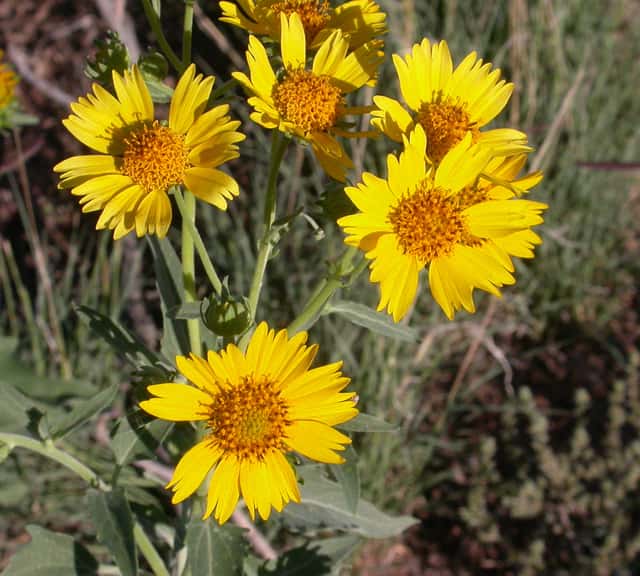
Golden Crownbeard (Verbesina encelioides) is a easy-care plant from the Asteraceae family. Verbesina encelioides, commonly known as Golden Crownbeard or Cowpen Daisy, is a hardy annual herb in the sunflower family. It is recognized by its grayish-green, triangular leaves and vibrant yellow daisy-like flowers with notched petals. It is highly adaptable to disturbed soils and arid environme...
Golden Crownbeard grows up to 1.5m, spread of 60cm, watering every 10 days, -5°C – 40°C, 30–80% humidity. It is not suitable for indoor environments and safe for pets.
Unlike many tropical plants, Golden Crownbeard tolerates watering mistakes. Best for beginners. Unlike many popular species, Golden Crownbeard is safe to keep around pets.
How to Care for Golden Crownbeard?
TLDR: Golden Crownbeard needs Direct sun, watering every 10 days, and temperatures between -5-40°C with 30-80% humidity.
How Often Should You Water Golden Crownbeard?
Water deeply once every week or two during dry spells. Established plants are very drought-resistant and rarely need supplemental water.
How Much Light Does Golden Crownbeard Need?
Requires full, direct sunlight for at least 6 to 8 hours a day to maintain its structure and maximize blooming.
What Is the Best Soil for Golden Crownbeard?
Prefers sandy or loamy soils and can tolerate poor, nutrient-deficient ground, but avoids heavy, waterlogged clay.
What Pot Should You Use for Golden Crownbeard?
Best grown in open ground; if containerized, use a large, deep pot with excellent drainage to accommodate the taproot.
Care Schedule
Fertilize
Every 90 days
What Is Golden Crownbeard and Where Does It Come From?
Verbesina encelioides, commonly known as Golden Crownbeard or Cowpen Daisy, is a hardy annual herb in the sunflower family. It is recognized by its grayish-green, triangular leaves and vibrant yellow daisy-like flowers with notched petals. It is highly adaptable to disturbed soils and arid environments, often forming dense colonies.
How to Propagate Golden Crownbeard?
Direct Sowing
- Seeds require light to germinate, so do not bury them deeply.
- This plant self-seeds aggressively if flowers are not deadheaded.
- 1 Seed Collection
Harvest seeds from dried, brown flower heads in late summer or autumn.
- 2 Sowing
Sow seeds directly into the garden bed after the last frost, pressing them lightly into the soil.
- 3 Initial Watering
Water gently to settle the soil; keep slightly moist until seedlings emerge.
Materials needed:
How Big Does Golden Crownbeard Grow?
TLDR: Golden Crownbeard can reach up to 1.5m tall with Fast growth rate.
Max height
1.5m
Spread
60cm
Growth rate
Fast
Foliage
Deciduous
Plant Uses
Ornamental
Great for decoration
Medicinal Uses
- Traditional topical treatment for skin ailments
- Used as a poultice for insect bites
- Historical use as a febrifuge
Is your plant showing symptoms?
Click on the symptom to discover possible causes:
What Diseases Commonly Affect Golden Crownbeard?
TLDR: Golden Crownbeard is susceptible to 6 known diseases. Monitor regularly for early detection.
Root Rot
Root rot is a serious fungal disease that affects the root system of plants, causing them to decay and die. It is primarily caused by overwatering, poor drainage, or soil-borne fungi such as Pythium, Phytophthora, Rhizoctonia, and Fusarium. The disease thrives in waterlogged conditions where roots are deprived of oxygen, making them susceptible to fungal infection.
Overwatering
Overwatering occurs when plants receive too much water, depriving roots of oxygen and causing root rot. This environmental stress is one of the most common causes of houseplant death, as waterlogged soil prevents roots from breathing and functioning properly.
Aphids
Aphids are small, soft-bodied, pear-shaped insects (1/16 to 1/8 inch long) that feed by sucking nutrient-rich sap from plants. They reproduce rapidly and can quickly weaken plants, causing distorted growth and transmitting plant viruses. Aphids come in various colors including green, black, red, yellow, brown, and gray. They secrete honeydew, a sticky substance that attracts ants and encourages sooty mold growth.
Spider Mites
Spider mites are tiny arachnids (less than 1/20 inch long) related to spiders and ticks that feed on plant sap. They thrive in hot, dry conditions and can cause significant damage to ornamental and vegetable plants. During severe infestations, crop losses can reach 14% or higher as these pests disrupt vital plant processes including photosynthesis, carbon dioxide absorption, and transpiration.
Meaning & Symbolism
Symbolizes resilience and the ability to thrive in harsh, neglected conditions.
Compare with similar plants
| Attribute | Difficulty | Light | Watering | Pet Safe |
|---|---|---|---|---|
| Field Maple | Easy | Bright indirect | 14d | ✓ |
| Silver Birch | Easy | Direct sun | 14d | ✓ |
| Common Blanketflower | Easy | Direct sun | 10d | ✓ |
| Cushion Bush | Easy | Direct sun | 14d | ✓ |





