Eriocaulaceae
Golden Everlasting: Full Sun Plant
Comanthera elegans
A traditionally wild-harvested species, it is cultivated in open-air sandy soil beds—it is not a conventional domestic houseplant. It requires full sun, poor and very well-drained substrate, and moderate watering, as excess water is the main risk for root rot. It grows slowly, blooms mainly in autumn (April to June), and tolerates the typical dry season of the rocky fields well, provided the drainage is excellent.
Every 12 days
Direct sun
10° - 32°C
30% - 60%
Categories
What is Golden Everlasting?
Golden Everlasting (Comanthera elegans) is a hard-care plant from the Eriocaulaceae family. Comanthera elegans, popularly known as the golden everlasting or congonha, is a rupicolous herb endemic to the rocky fields (campos rupestres) of the Espinhaço Range in Minas Gerais, Brazil. It forms clumps of narrow basal leaves from which erect, unbranched stems emerge, topped with small flower he...
Golden Everlasting grows up to 40cm, spread of 25cm, watering every 12 days, 10°C – 32°C, 30–60% humidity. It is not suitable for indoor environments and safe for pets.
Unlike easy-care plants, Golden Everlasting demands constant attention to humidity and light. Not recommended for beginners. Unlike many popular species, Golden Everlasting is safe to keep around pets.
How to Care for Golden Everlasting?
TLDR: Golden Everlasting needs Direct sun, watering every 12 days, and temperatures between 10-32°C with 30-60% humidity.
How Often Should You Water Golden Everlasting?
Water moderately, allowing the substrate to dry almost completely between waterings—in nature, the plant lives through prolonged dry seasons. Never allow water to accumulate in the pot or bed: waterlogged substrate promotes root rot.
How Much Light Does Golden Everlasting Need?
Needs full sun to grow and bloom well; in its rocky field habitat, it receives direct and intense light all day long. Avoid shading—low light compromises flowering.
What Is the Best Soil for Golden Everlasting?
Prefer a sandy substrate, low in nutrients, acidic (pH between 4.5 and 6.5), and with excellent drainage, mimicking the shallow and stony soils of the rocky fields. In cultivation, mix sand with well-rotted cattle manure to aerate the roots without waterlogging.
What Pot Should You Use for Golden Everlasting?
If grown in a pot, prefer clay or terracotta models, which are porous and have multiple drainage holes, helping the sandy substrate dry between waterings and reducing the risk of rot.
Care Schedule
Fertilize
Every 90 days
What Is Golden Everlasting and Where Does It Come From?
Comanthera elegans, popularly known as the golden everlasting or congonha, is a rupicolous herb endemic to the rocky fields (campos rupestres) of the Espinhaço Range in Minas Gerais, Brazil. It forms clumps of narrow basal leaves from which erect, unbranched stems emerge, topped with small flower heads of golden to cream bracts that maintain their color and shape for a long time after drying—hence the name "everlasting." It is one of the most commercially exploited Eriocaulaceae species in Brazil, with inflorescences harvested for handicrafts and floral arrangements since the 20th century. Today, it is listed as Endangered (EN) due to predatory harvesting, poorly managed fires, and climate change, which reduce the rocky field areas suitable for the species.
How to Propagate Golden Everlasting?
Sowing
Germination is slow and the success rate is naturally low; sow in larger quantities than the final desired number of seedlings.
- 1 Collect mature seeds between August and December, during the dry season
- 2 Store seeds refrigerated until planting
- 3 Sow in a seedbed or container with sandy substrate at 20-30°C
- 4 Transplant seedlings to the final location when they reach about 10 cm in height
Materials needed:
Clump division / Regrowth
In commercial cultivation, a large portion of new plants arises from the regrowth of remaining aerial parts after harvest, rather than from seeds.
- 1 Separate established clumps with formed roots
- 2 Replant immediately in well-drained sandy substrate
- 3 Maintain light watering until signs of new growth appear
Materials needed:
How Big Does Golden Everlasting Grow?
TLDR: Golden Everlasting can reach up to 40cm tall with Slow growth rate.
Max height
40cm
Spread
25cm
Growth rate
Slow
Foliage
Evergreen
Plant Uses
Ornamental
Great for decoration
Is your plant showing symptoms?
Click on the symptom to discover possible causes:
What Diseases Commonly Affect Golden Everlasting?
TLDR: Golden Everlasting is susceptible to 1 known diseases. Monitor regularly for early detection.
Meaning & Symbolism
Like other "everlastings," it symbolizes eternity, memory, and permanence: because it maintains its color and shape even after drying, it is traditionally used in long-lasting arrangements and wreaths in Minas Gerais culture.
Compare with similar plants
| Attribute | Difficulty | Light | Watering | Pet Safe |
|---|---|---|---|---|
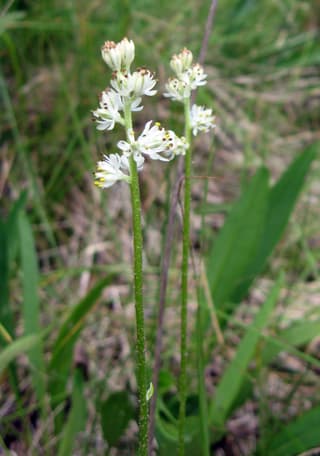
| Sticky false asphodel | Hard | Bright indirect | 1d | ✓ |
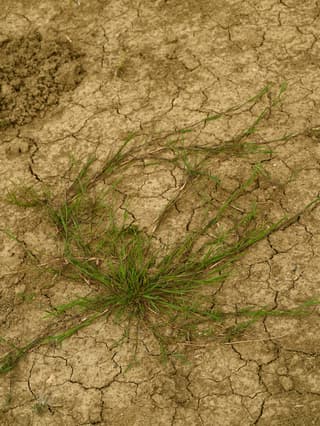
| Creeping bentgrass | Hard | Direct sun | 3d | ✓ |
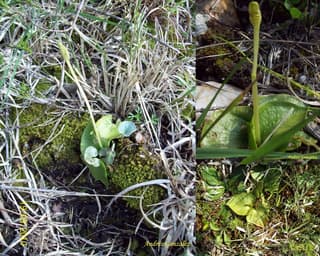
| Bulbous Adder's-tongue | Hard | Partial shade | 4d | ✓ |
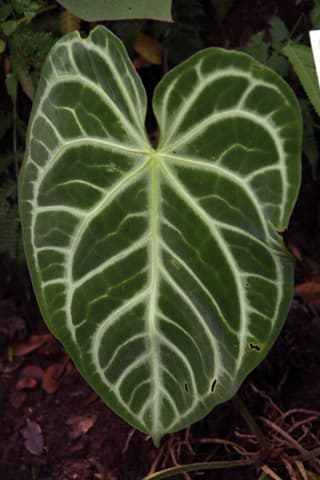
| Crystal Anthurium | Hard | Partial shade | 7d | ⚠️ |
Choose & Compare
Sources & References
- CNCFlora - Comanthera elegans (avaliação de risco de extinção)
- Desenvolvimento da sempre viva (Comanthera elegans) em três sistemas de cultivo
- Harvest times of Comanthera elegans, a worldwide traded Brazilian species of everlasting flower
- Sempre-Viva Pé-de-Ouro, Congonha (Comanthera) - FazFácil
- Comanthera elegans - Wikipedia