Asteraceae
Goldenrod (Solidago)
Solidago
A full-sun, very low-maintenance plant that tolerates poor soil and drought once established. Prefers well-drained soil and moderate watering; soggy soil or overwatering can lead to root rot.
Every 10 days
Direct sun
15° - 30°C
% - %
Categories
What is Goldenrod?
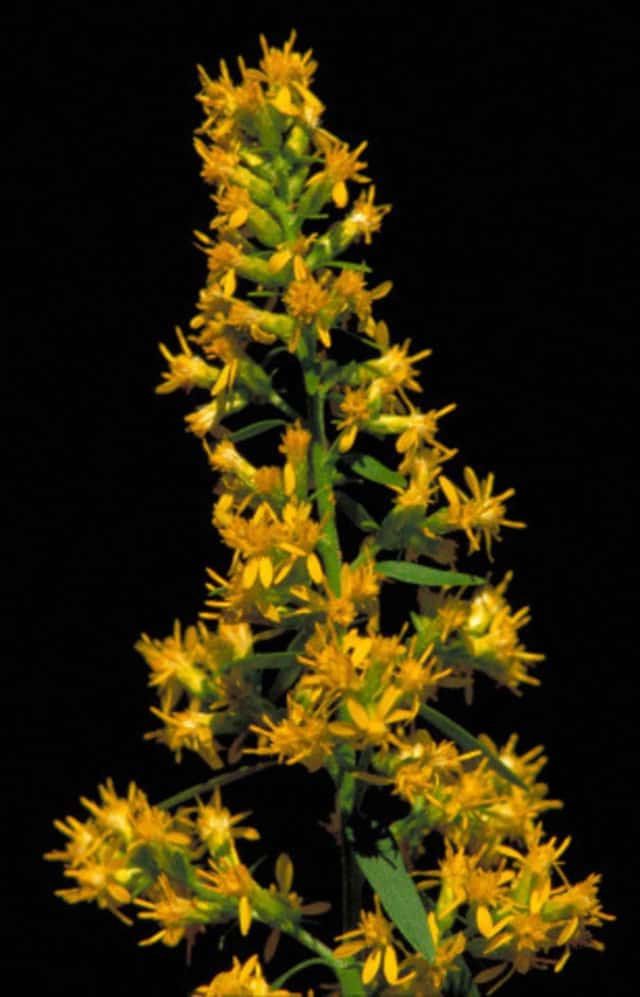
Goldenrod (Solidago) is a easy-care plant from the Asteraceae family. Solidago, commonly known as goldenrod, is a genus of herbaceous perennial plants in the daisy family (Asteraceae), native mainly to North America. It forms upright clumps with stiff stems and dense golden-yellow flower clusters that bloom in late summer through fall, making it a favorite of bees, bu...
Goldenrod grows up to 2.4m, spread of 90cm, watering every 10 days, 15°C – 30°C. It is not suitable for indoor environments and safe for pets.
Unlike many tropical plants, Goldenrod tolerates watering mistakes. Best for beginners. Unlike many popular species, Goldenrod is safe to keep around pets.
How to Care for Goldenrod?
TLDR: Goldenrod needs Direct sun, watering every 10 days, and temperatures between 15-30°C with 40-70% humidity.
How Often Should You Water Goldenrod?
Water moderately while the plant is young and establishing; once mature, water only during prolonged dry spells, letting the soil dry out between waterings.
How Much Light Does Goldenrod Need?
Needs full sun, at least 6 to 8 hours of direct sunlight per day, to bloom well and maintain compact growth.
What Is the Best Soil for Goldenrod?
Adapts to sandy, clay, or organically rich soils as long as they drain well; avoid soggy or overly rich soil, which promotes weak growth and disease.
What Pot Should You Use for Goldenrod?
Not recommended for small pots; if container-grown, use a wide, deep pot with good drainage suited to a vigorous clumping perennial.
What Is Goldenrod and Where Does It Come From?
Solidago, commonly known as goldenrod, is a genus of herbaceous perennial plants in the daisy family (Asteraceae), native mainly to North America. It forms upright clumps with stiff stems and dense golden-yellow flower clusters that bloom in late summer through fall, making it a favorite of bees, butterflies, and other pollinators.
How to Propagate Goldenrod?
Rhizome division
Divide every 2-3 years to control spreading and renew plant vigor.
- 1 Choose established clumps at least 2 years old
- 2 In early spring, as buds begin to green, cut the rhizomes into sections with healthy buds
- 3 Replant sections immediately about 30 cm apart
- 4 Water well after planting until established
Materials needed:
Seed sowing
Seeds need light to germinate; do not bury them.
- 1 Cold-stratify seeds for 30 days at 4°C
- 2 Surface-sow onto substrate without covering
- 3 Keep moist until germination
Materials needed:
How Big Does Goldenrod Grow?
TLDR: Goldenrod can reach up to 2.4m tall with Fast growth rate.
Max height
2.4m
Spread
90cm
Growth rate
Fast
Foliage
Deciduous
Plant Uses
Ornamental
Great for decoration
Edible
Can be consumed
Medicinal
Medicinal properties
Medicinal Uses
- Traditionally used as a diuretic, anti-inflammatory, and for urinary and kidney support
Culinary Uses
- Young leaves and flowers are edible, used in teas, salads, and infusions
Is your plant showing symptoms?
Click on the symptom to discover possible causes:
What Diseases Commonly Affect Goldenrod?
TLDR: Goldenrod is susceptible to 4 known diseases. Monitor regularly for early detection.
Powdery Mildew
Powdery mildew is a common fungal disease caused by various fungi species including Erysiphe, Podosphaera, Oïdium, and Leveillula. It affects over 10,000 plant species worldwide. The disease thrives in warm, dry climates with high humidity and appears as a distinctive white powdery coating on plant surfaces.
Rust
Rust is a common fungal disease caused by fungi in the order Pucciniales that affects a wide variety of plants. The disease gets its name from the characteristic orange, yellow, or reddish-brown pustules that appear on leaves, resembling metal rust. This obligate fungal parasite requires living plants to survive and can cause significant economic losses in agricultural crops.
Leaf Spot
Leaf spot is a common fungal disease caused by various pathogens including Alternaria, Ascochyta, Colletotrichum, Septoria, and Venturia. It primarily affects leaves, causing discolored spots that can lead to premature leaf drop if left untreated.
Aphids
Aphids are small, soft-bodied, pear-shaped insects (1/16 to 1/8 inch long) that feed by sucking nutrient-rich sap from plants. They reproduce rapidly and can quickly weaken plants, causing distorted growth and transmitting plant viruses. Aphids come in various colors including green, black, red, yellow, brown, and gray. They secrete honeydew, a sticky substance that attracts ants and encourages sooty mold growth.
Meaning & Symbolism
Represents encouragement, good fortune, and resilience; its golden bloom is often linked to abundance, prosperity, and the arrival of autumn.
Fun Facts
Goldenrod pollen is often mistakenly blamed for allergies actually caused by ragweed, since the two bloom at the same time
The genus name comes from the Latin solidare, meaning to make whole, a nod to its traditional medicinal use
Frequently asked questions
Is goldenrod toxic to cats and dogs?
How often should I water goldenrod?
Does goldenrod cause allergies?
Compare with similar plants
| Attribute | Difficulty | Light | Watering | Pet Safe |
|---|---|---|---|---|
| Field Maple | Easy | Bright indirect | 14d | ✓ |
| Silver Birch | Easy | Direct sun | 14d | ✓ |
| Common Blanketflower | Easy | Direct sun | 10d | ✓ |
| Cushion Bush | Easy | Direct sun | 14d | ✓ |
Choose & Compare
Sources & References
- Solidago (Goldenrod) | NC State Extension Gardener Plant Toolbox
- Growing Goldenrod - How to Grow and Care for Solidago Plants | Garden Design
- Canadian Goldenrod Plant Care & Growing Basics | PlantIn
- Goldenrod (Solidago virgaurea) Care Guide: Pests, Diseases, Watering, Fertilizing & Toxicity
- Solidago Goldenrod Meaning, Uses & Cultivation Guide
- Goldenrod (Solidago virgaurea): Benefits, Safety, Uses | Herbal Reality
- Solidago - Wikipedia





