Gesneriaceae
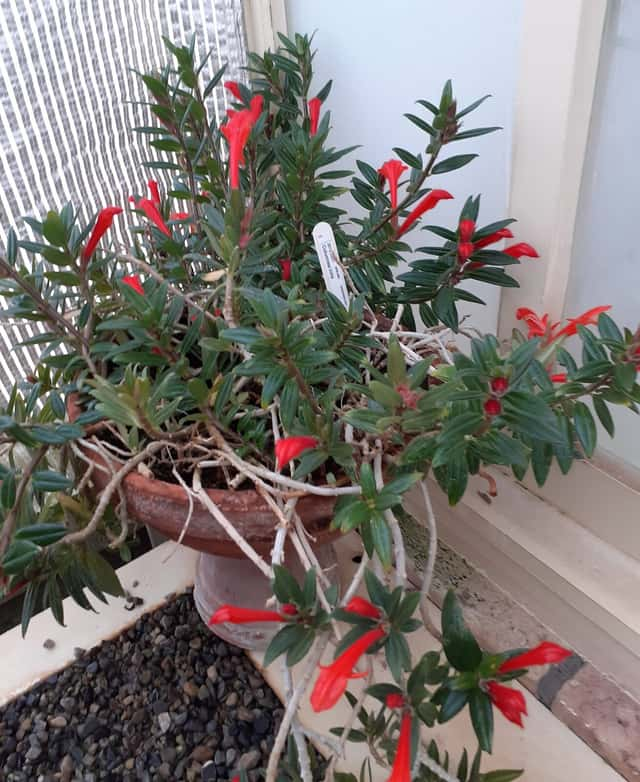
Goldfish Vine (Columnea hirta)
Columnea hirta
An indoor plant for bright, indirect light, away from strong sun. Water when the top third of the mix is dry and use a light, free-draining mix. It likes good air flow and flowers best a little pot-bound. A cooler spell near 15 °C helps it bloom.
Every 5 days
Bright indirect
15° - 29°C
40% - 70%
Categories
What is Goldfish vine?
Goldfish vine (Columnea hirta) is a medium-care plant from the Gesneriaceae family. Columnea hirta is a trailing plant in the African violet family, native to the forests of Costa Rica and Panama, where it grows on trees. Its long, hanging stems are covered in fine reddish hairs, and its small oval leaves are dark green and velvety. The flowers are orange to red-orange tubes about...
Goldfish vine grows up to 90cm, watering every 5 days, 15°C – 29°C, 40–70% humidity. It is suitable for indoor environments and safe for pets.
Unlike many popular species, Goldfish vine is safe to keep around pets. Without adequate drainage, root rot can develop within 10 days.
How to Care for Goldfish vine?
TLDR: Goldfish vine needs Bright indirect, watering every 5 days, and temperatures between 15-29°C with 40-70% humidity.
How Often Should You Water Goldfish vine?
Water when the top third of the mix is dry, about every 5 days in warm weather, using room-temperature water. Don't let it dry out completely or sit soggy.
How Much Light Does Goldfish vine Need?
Bright, indirect light near a well-lit window. Low light makes the stems long and flowerless; harsh midday sun burns the leaves.
What Is the Best Soil for Goldfish vine?
A light, airy mix, such as African violet or gesneriad mix, with perlite for good drainage.
What Pot Should You Use for Goldfish vine?
A hanging pot or basket with a drainage hole. Choose a pot that seems a little small, since it flowers better with snug roots.
Care Schedule
Fertilize
Every 14 days
Repot
Every 1095 days
What Is Goldfish vine and Where Does It Come From?
Columnea hirta is a trailing plant in the African violet family, native to the forests of Costa Rica and Panama, where it grows on trees. Its long, hanging stems are covered in fine reddish hairs, and its small oval leaves are dark green and velvety. The flowers are orange to red-orange tubes about 8 cm long that look like little fish, and they come in good numbers through the year. Stems reach about 90 cm, making it a great hanging-basket plant.
How to Propagate Goldfish vine?
Tip cuttings
Several cuttings in one pot make a fuller plant. Start new plants every 2-3 years to keep it vigorous.
- 1 Right after flowering, cut stem tips 8-10 cm long
- 2 Remove the lower leaves
- 3 Plant in light, moist mix, several cuttings per pot
- 4 Cover with a plastic bag and keep in bright indirect light until rooted
Materials needed:
How Big Does Goldfish vine Grow?
TLDR: Goldfish vine can reach up to 90cm tall with Medium growth rate.
Max height
90cm
Growth rate
Medium
Foliage
Evergreen
Plant Uses
Ornamental
Great for decoration
Is your plant showing symptoms?
Click on the symptom to discover possible causes:
What Diseases Commonly Affect Goldfish vine?
TLDR: Goldfish vine is susceptible to 5 known diseases. Monitor regularly for early detection.
Mealybugs
Mealybugs are small, soft-bodied insects covered with a white, waxy, cottony material. They are common pests of houseplants and outdoor plants in mild climates. These sap-sucking insects feed on plant tissue, causing damage, stunted growth, and can lead to plant death if left untreated. They produce sticky honeydew which attracts sooty mold.
Aphids
Aphids are small, soft-bodied, pear-shaped insects (1/16 to 1/8 inch long) that feed by sucking nutrient-rich sap from plants. They reproduce rapidly and can quickly weaken plants, causing distorted growth and transmitting plant viruses. Aphids come in various colors including green, black, red, yellow, brown, and gray. They secrete honeydew, a sticky substance that attracts ants and encourages sooty mold growth.
Powdery Mildew
Powdery mildew is a common fungal disease caused by various fungi species including Erysiphe, Podosphaera, Oïdium, and Leveillula. It affects over 10,000 plant species worldwide. The disease thrives in warm, dry climates with high humidity and appears as a distinctive white powdery coating on plant surfaces.
Gray Mold (Botrytis Blight)
Gray mold, caused by the fungus Botrytis cinerea, is one of the most common fungal diseases in plants. It affects over 200 plant species, including ornamentals, vegetables, fruits, and houseplants. The disease thrives in cool, humid conditions with poor air circulation, causing grayish spots and soft rot on infected tissues.
Fun Facts
The genus honors the 16th-century Italian botanist Fabio Colonna.
The name hirta means "hairy", after the red hairs on its stems.
In the wild it grows on trees, like many orchids.
Frequently asked questions
Why isn't my goldfish vine blooming?
Why is it dropping leaves?
Should I mist it?
Is it toxic to dogs and cats?
Compare with similar plants
| Attribute | Difficulty | Light | Watering | Pet Safe |
|---|---|---|---|---|
| Dark Fieldcap | Medium | Low light | 2d | ⚠️ |
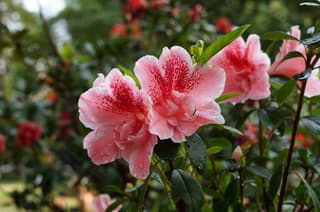
| Azalea | Medium | Partial shade | 3d | ⚠️ |
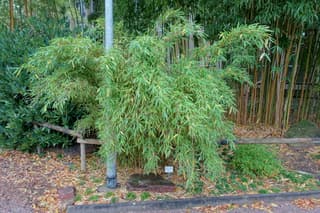
| Muriel's Bamboo | Medium | Partial shade | 3d | ✓ |
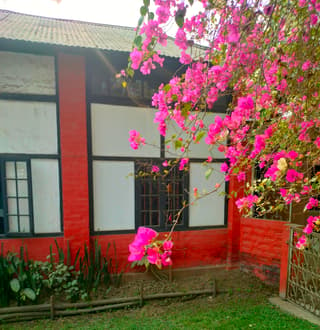
| Bougainvillea | Medium | Direct sun | 7d | ⚠️ |