Orchidaceae
Govenia: Pet-Safe Plant
Govenia
Govenia is a demanding, cool-loving terrestrial orchid, recommended for experienced growers. It is cultivated in sandy-loam, well-draining substrate, with bright, diffused light, moderately cool temperatures, and regular watering during the growing season. After flowering and the leaves wither, the plant enters a dormancy period, during which watering must be significantly reduced to prevent corm rot.
Every 6 days
Partial shade
10° - 24°C
60% - 80%
Categories
What is Govenia?
Govenia (Govenia) is a hard-care plant from the Orchidaceae family. Govenia is a genus of terrestrial (rarely epiphytic) orchids belonging to the Orchidaceae family, comprising about 20–24 species. It naturally occurs in the mountainous pine-oak forests of Mexico, Central and South America (as far as Peru and Bolivia), and the Caribbean; a single taxon, now extinct...
Govenia grows up to 90cm, spread of 45cm, watering every 6 days, 10°C – 24°C, 60–80% humidity. It is suitable for indoor environments and safe for pets.
Unlike easy-care plants, Govenia demands constant attention to humidity and light. Not recommended for beginners. Unlike many popular species, Govenia is safe to keep around pets. Without adequate drainage, root rot can develop within 12 days.
How to Care for Govenia?
TLDR: Govenia needs Partial shade, watering every 6 days, and temperatures between 10-24°C with 60-80% humidity.
How Often Should You Water Govenia?
During the active growing season, water regularly, keeping the substrate consistently slightly moist but never waterlogged. When the leaves begin to yellow and dry out (natural dormancy period), drastically reduce watering – excess water at this time is the most common cause of corm and root rot.
How Much Light Does Govenia Need?
Provide bright, diffused light, mimicking the conditions of the understory in mountainous pine-oak forests – direct sun will scorch the thin, pleated leaves. An east-facing window, a shaded west-facing window, or a spot under a shade cloth in a greenhouse will work well.
What Is the Best Soil for Govenia?
Plant in a sandy-loam, fast-draining substrate with a slightly acidic to neutral pH (approx. 5.5–6.5). Good drainage is crucial – compacted soil that retains water for too long quickly leads to corm rot.
What Pot Should You Use for Govenia?
Choose a shallow but wide pot with numerous drainage holes – preferably ceramic or terracotta, which further wicks away excess moisture through its porous walls. Avoid overly large pots where the substrate remains moist around the corms for too long.
Care Schedule
Fertilize
Every 14 days
Misting
Every 3 days
Rotate
Every 14 days
Repot
Every 730 days
What Is Govenia and Where Does It Come From?
Govenia is a genus of terrestrial (rarely epiphytic) orchids belonging to the Orchidaceae family, comprising about 20–24 species. It naturally occurs in the mountainous pine-oak forests of Mexico, Central and South America (as far as Peru and Bolivia), and the Caribbean; a single taxon, now extinct (Govenia floridana), grew in Florida. The plants produce bulbous corms covered by membranous sheaths, from which usually two plicate (pleated) leaves emerge. The leaves are shed seasonally – in some species, flowering occurs while the leaves are still present, in others only after they have completely withered. The inflorescence forms a raceme of several to a dozen bright, usually white or cream-colored flowers, often speckled with purple or crimson, which do not fully open.
How to Propagate Govenia?
Division of corms (clumps)
Propagation from seeds is practically impossible outside of laboratory conditions (in vitro) – orchid seeds require a symbiotic mycorrhizal fungus to germinate, so corm division is the only practical method for amateur growers.
- 1 Remove the clump from the pot at the beginning of the growing season, just before new shoots appear
- 2 Gently clean the roots of old substrate and divide the clump so that each part has at least 2–3 healthy corms with roots
- 3 Dust cut areas with powdered charcoal or fungicide to prevent infection
- 4 Plant the divided parts in a sandy-loam, well-draining substrate
- 5 Water sparingly until new growth appears, then gradually increase watering
Materials needed:
How Big Does Govenia Grow?
TLDR: Govenia can reach up to 90cm tall with Slow growth rate.
Max height
90cm
Spread
45cm
Growth rate
Slow
Foliage
Deciduous
Plant Uses
Ornamental
Great for decoration
Is your plant showing symptoms?
Click on the symptom to discover possible causes:
What Diseases Commonly Affect Govenia?
TLDR: Govenia is susceptible to 6 known diseases. Monitor regularly for early detection.
Root Rot
Root rot is a serious fungal disease that affects the root system of plants, causing them to decay and die. It is primarily caused by overwatering, poor drainage, or soil-borne fungi such as Pythium, Phytophthora, Rhizoctonia, and Fusarium. The disease thrives in waterlogged conditions where roots are deprived of oxygen, making them susceptible to fungal infection.
Phytophthora Root Rot
Disease caused by fungus-like organisms (oomycetes) that live in soil and can survive for years. It affects roots, stem, and crown of plants, being especially severe in waterlogged or poorly drained soils. It is the second most common cause of root rot in trees and shrubs.
Gray Mold (Botrytis Blight)
Gray mold, caused by the fungus Botrytis cinerea, is a widespread necrotrophic pathogen affecting over 1,400 plant species. It thrives in cool, humid conditions and attacks weakened or aging plant tissues, causing soft rot and characteristic gray fuzzy growth.
Slugs and Snails
Slugs and snails are mollusks that feed on plant tissue, causing irregular holes in leaves and damage to young seedlings. They are most active at night and in moist conditions, leaving characteristic silvery slime trails. These pests can quickly devastate gardens, especially during wet seasons.
Meaning & Symbolism
As a rare and difficult-to-cultivate forest orchid, Govenia is sometimes associated by collectors with perseverance and the reward for patience – it only blooms when the grower recreates the natural rhythm of growth and dormancy typical of its mountainous environment.
Compare with similar plants
| Attribute | Difficulty | Light | Watering | Pet Safe |
|---|---|---|---|---|
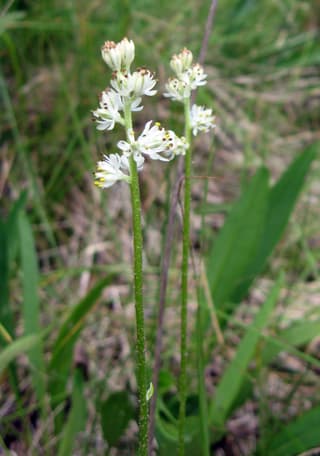
| Sticky false asphodel | Hard | Bright indirect | 1d | ✓ |
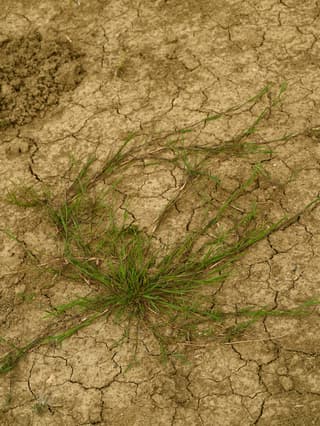
| Creeping bentgrass | Hard | Direct sun | 3d | ✓ |
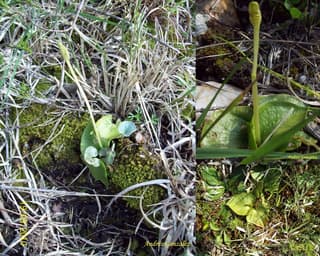
| Bulbous Adder's-tongue | Hard | Partial shade | 4d | ✓ |
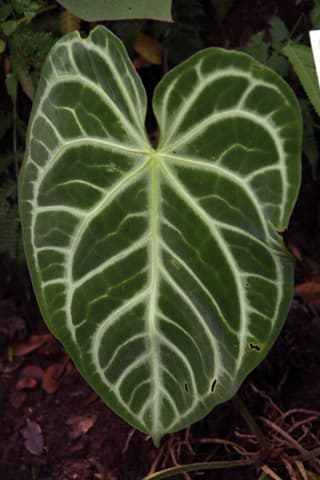
| Crystal Anthurium | Hard | Partial shade | 7d | ⚠️ |