Poaceae
Green Foxtail (Setaria viridis) Care Guide
Setaria viridis
An extremely low-maintenance, self-sufficient annual grass. Give it full sun, well-draining soil, and occasional watering during dry spells — it tolerates neglect and poor soil better than most garden plants.
Every 7 days
Direct sun
-10° - 35°C
30% - 70%
Categories
What is Green Foxtail?
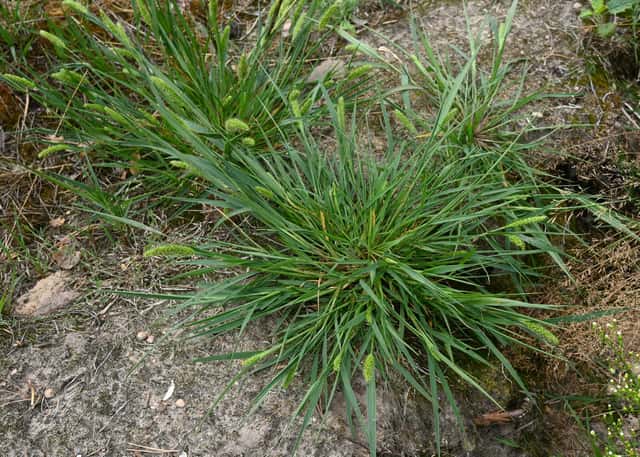
Green Foxtail (Setaria viridis) is a easy-care plant from the Poaceae family. Setaria viridis, known as green foxtail or green bristlegrass, is a fast-growing annual grass native to Eurasia and now naturalized worldwide. It forms leafy tufts with slender, arching stems topped by soft, bristly, cylindrical seed heads that resemble a fox's tail. Highly adaptable, it thrives in...
Green Foxtail grows up to 1.0m, spread of 45cm, watering every 7 days, -10°C – 35°C, 30–70% humidity. It is not suitable for indoor environments and safe for pets.
Unlike many tropical plants, Green Foxtail tolerates watering mistakes. Best for beginners. Unlike many popular species, Green Foxtail is safe to keep around pets.
How to Care for Green Foxtail?
TLDR: Green Foxtail needs Direct sun, watering every 7 days, and temperatures between -10-35°C with 30-70% humidity.
How Often Should You Water Green Foxtail?
Water lightly whenever the soil dries out; established plants tolerate short dry spells well and should never be left waterlogged.
How Much Light Does Green Foxtail Need?
Place in full sun for the healthiest, most compact growth, though it also tolerates partial shade.
What Is the Best Soil for Green Foxtail?
Use ordinary well-draining soil — sandy, loamy, or even rocky ground works fine as long as water doesn't pool.
What Pot Should You Use for Green Foxtail?
Not typically grown in pots; if containerized, use a wide, well-draining pot as this is primarily an outdoor/garden grass.
What Is Green Foxtail and Where Does It Come From?
Setaria viridis, known as green foxtail or green bristlegrass, is a fast-growing annual grass native to Eurasia and now naturalized worldwide. It forms leafy tufts with slender, arching stems topped by soft, bristly, cylindrical seed heads that resemble a fox's tail. Highly adaptable, it thrives in disturbed soils, roadsides, and open fields, and is recognized by botanists as the wild ancestor of foxtail millet. Because of its short life cycle and ease of cultivation, it has also become an important model species for studying C4 photosynthesis in bioenergy grasses.
How to Propagate Green Foxtail?
Seed sowing
Seeds germinate readily without pretreatment; the plant self-seeds freely, so control spread if not desired.
- 1 Scatter seeds directly onto loosened, well-draining soil in spring
- 2 Press seeds lightly into the soil surface without burying deeply
- 3 Keep soil lightly moist until germination
- 4 Thin seedlings once established
Materials needed:
How Big Does Green Foxtail Grow?
TLDR: Green Foxtail can reach up to 1.0m tall with Fast growth rate.
Max height
1.0m
Spread
45cm
Growth rate
Fast
Foliage
Deciduous
Is your plant showing symptoms?
Click on the symptom to discover possible causes:
What Diseases Commonly Affect Green Foxtail?
TLDR: Green Foxtail is susceptible to 6 known diseases. Monitor regularly for early detection.
Rust
Rust is a common fungal disease caused by fungi in the order Pucciniales that affects a wide variety of plants. The disease gets its name from the characteristic orange, yellow, or reddish-brown pustules that appear on leaves, resembling metal rust. This obligate fungal parasite requires living plants to survive and can cause significant economic losses in agricultural crops.
Aphids
Aphids are small, soft-bodied, pear-shaped insects (1/16 to 1/8 inch long) that feed by sucking nutrient-rich sap from plants. They reproduce rapidly and can quickly weaken plants, causing distorted growth and transmitting plant viruses. Aphids come in various colors including green, black, red, yellow, brown, and gray. They secrete honeydew, a sticky substance that attracts ants and encourages sooty mold growth.
Leafminers
Leafminers are the larvae of various insects including flies, moths, sawflies, and beetles that tunnel between leaf surfaces, creating distinctive serpentine trails or blotchy patches. While primarily cosmetic, severe infestations can weaken plants by reducing photosynthesis capacity and making them susceptible to secondary infections.
Caterpillars
Caterpillars are the larval stage of moths and butterflies that feed voraciously on plant foliage, stems, flowers, and fruits. Common species include cabbage loopers, tomato hornworms, armyworms, and cutworms. These pests can cause extensive damage by consuming large amounts of plant tissue in a short time. They vary in size from small (1/4 inch) to large (5 inches), with colors ranging from green to brown, often featuring stripes or spots. Caterpillars are highly mobile and can quickly spread throughout gardens, making them one of the most destructive common pests.
Meaning & Symbolism
As a resilient, fast-spreading grass that thrives in disturbed ground, green foxtail is often seen as a symbol of adaptability, persistence, and nature's ability to reclaim land.
Fun Facts
Setaria viridis is the wild ancestor of foxtail millet, a grain crop cultivated for thousands of years.
Its short life cycle and ease of transformation have made it a popular model species for studying C4 photosynthesis.
The bristly seed head is technically a panicle covered in tiny hair-like bristles, not true spines.
A single plant can produce multiple generations of seed within one growing season.
Frequently asked questions
Is Green Foxtail invasive?
How much sun does Green Foxtail need?
Is Green Foxtail toxic to pets?
How long does Green Foxtail live?
Compare with similar plants
| Attribute | Difficulty | Light | Watering | Pet Safe |
|---|---|---|---|---|
| Field Maple | Easy | Bright indirect | 14d | ✓ |
| Muriel's Bamboo | Medium | Partial shade | 3d | ✓ |
| Silver Birch | Easy | Direct sun | 14d | ✓ |
| Common Blanketflower | Easy | Direct sun | 10d | ✓ |





