Orchidaceae
Green-winged orchid: Edible Plant
Anacamptis morio
This is a wild meadow orchid, not a conventional garden or house plant: it needs full sun, lean well-drained soil and an intact mycorrhizal fungal partner to survive. It should never be watered or fed like a typical potted plant — keep it almost dry and undisturbed during its summer dormancy and let rainfall meet its needs the rest of the year. Because it resents transplanting and rarely survives outside its native grassland community, it is best enjoyed in situ or left to specialist growers.
Every 14 days
Bright indirect
° - °C
% - %
Categories
What is Green-winged orchid?
Green-winged orchid (Anacamptis morio) is a hard-care plant from the Orchidaceae family. Anacamptis morio, the green-winged orchid, is a tuberous terrestrial orchid native to Europe, North Africa and the Middle East. It grows in unimproved, nutrient-poor grassland and meadows, producing a short spike of purple-to-pink (occasionally white) helmet-shaped flowers marked with green veins in...
Green-winged orchid grows up to 40cm, watering every 14 days. It is not suitable for indoor environments and safe for pets.
Unlike easy-care plants, Green-winged orchid demands constant attention to humidity and light. Not recommended for beginners. Unlike many popular species, Green-winged orchid is safe to keep around pets.
How to Care for Green-winged orchid?
TLDR: Green-winged orchid needs Bright indirect, watering every 14 days, and temperatures between 15-30°C with 40-70% humidity.
How Often Should You Water Green-winged orchid?
Water sparingly and only during active autumn-to-spring growth, letting the soil dry out between waterings; keep it essentially dry through summer dormancy since soggy soil quickly rots the tubers.
How Much Light Does Green-winged orchid Need?
Give it full sun to very bright open exposure — it grows in open grassland and struggles or disappears under any shade from taller vegetation.
What Is the Best Soil for Green-winged orchid?
Plant in lean, sharply-drained loam over chalk or clay with a neutral-to-alkaline pH (about 6.5-8); rich, fertilized or waterlogged soil is fatal to the tubers.
What Pot Should You Use for Green-winged orchid?
Not suited to ordinary houseplant pots — specialist growers use deep, unglazed clay pots with excellent drainage and soil transplanted from an established colony (to carry over the necessary mycorrhizal fungi); otherwise it is best left undisturbed in its wild meadow habitat.
Care Schedule
Fertilize
Every 14 days
Misting
Every 3 days
Rotate
Every 7 days
Repot
Every 365 days
What Is Green-winged orchid and Where Does It Come From?
Anacamptis morio, the green-winged orchid, is a tuberous terrestrial orchid native to Europe, North Africa and the Middle East. It grows in unimproved, nutrient-poor grassland and meadows, producing a short spike of purple-to-pink (occasionally white) helmet-shaped flowers marked with green veins in spring. The plant is dormant through summer, re-sprouting a basal leaf rosette in autumn, and depends entirely on symbiotic soil fungi to germinate and thrive.
How to Propagate Green-winged orchid?
Tuber division
- Replant the same day — tubers and their fungal partners do not tolerate drying out or storage
- Success is inconsistent even for experienced growers because the fungal relationship is easily disrupted
- 1 Time it right
Only divide once the plant is in full leaf and flowering has finished, never during summer dormancy.
- 2 Lift gently
Carefully excavate around the basal rosette to expose the paired tubers (one shriveling, one new and firm) without damaging the fine mycorrhizal roots.
- 3 Separate and replant immediately
Detach the new tuber keeping its original soil intact to preserve the fungal partner, and replant at once in similar lean, well-drained soil.
Materials needed:
Seed (symbiotic germination)
- Do not attempt indoor or sterile-flask sowing without laboratory symbiotic-culture expertise
- Success outside specialist conservation programs is very rare
- 1 Collect ripe seed
Harvest capsules just as they turn from green to brown, before they split open, in mid-to-late summer.
- 2 Sow in situ
Scatter the dust-like seed directly around established plants in undisturbed, nutrient-poor grassland, since germination depends on specific soil mycorrhizal fungi that lab sowing cannot easily replicate.
- 3 Wait and do not disturb
Leave the site undisturbed for several years; the seed forms an underground protocorm and depends on the fungus for years before any leaf appears above ground.
Materials needed:
How Big Does Green-winged orchid Grow?
TLDR: Green-winged orchid can reach up to 40cm tall with Slow growth rate.
Max height
40cm
Growth rate
Slow
Foliage
Deciduous
Plant Uses
Ornamental
Great for decoration
Medicinal
Medicinal properties
Edible
Can be consumed
Medicinal Uses
- Dried, powdered tuber (salep) used traditionally as a soothing demulcent for irritated digestive tracts
- Salep gruel given as a nutritive, easily digested food for convalescents, infants and the elderly
Culinary Uses
- Tubers dried and ground into salep flour, mixed with hot water or milk to make a thick nutritious drink
- Salep historically used to thicken desserts, bread and hot beverages in Mediterranean and Middle Eastern cuisine
Is your plant showing symptoms?
Click on the symptom to discover possible causes:
What Diseases Commonly Affect Green-winged orchid?
TLDR: Green-winged orchid is susceptible to 2 known diseases. Monitor regularly for early detection.
Root Rot
Root rot is a serious fungal disease that affects the root system of plants, causing them to decay and die. It is primarily caused by overwatering, poor drainage, or soil-borne fungi such as Pythium, Phytophthora, Rhizoctonia, and Fusarium. The disease thrives in waterlogged conditions where roots are deprived of oxygen, making them susceptible to fungal infection.
Slugs and Snails
Slugs and snails are mollusks that feed on plant tissue, causing irregular holes in leaves and damage to young seedlings. They are most active at night and in moist conditions, leaving characteristic silvery slime trails. These pests can quickly devastate gardens, especially during wet seasons.
Meaning & Symbolism
The species name 'morio' is Latin for 'clown' or 'fool,' a nod to the spotted, harlequin-patterned flowers; like other Orchis-type orchids, its paired tubers gave rise to old European folklore linking it to fertility and virility.
Compare with similar plants
| Attribute | Difficulty | Light | Watering | Pet Safe |
|---|---|---|---|---|
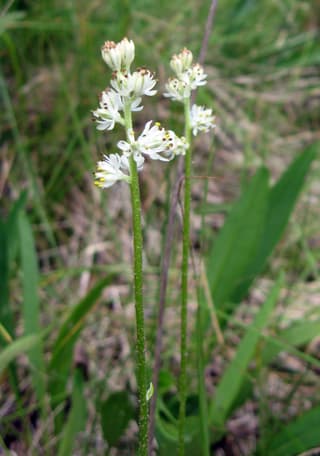
| Sticky false asphodel | Hard | Bright indirect | 1d | ✓ |
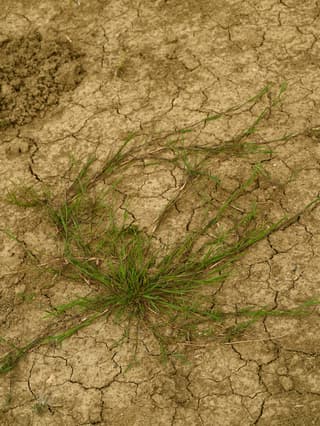
| Creeping bentgrass | Hard | Direct sun | 3d | ✓ |
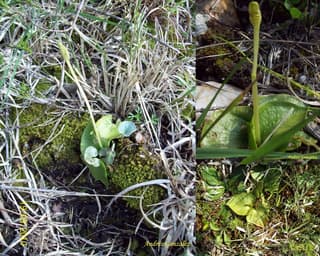
| Bulbous Adder's-tongue | Hard | Partial shade | 4d | ✓ |
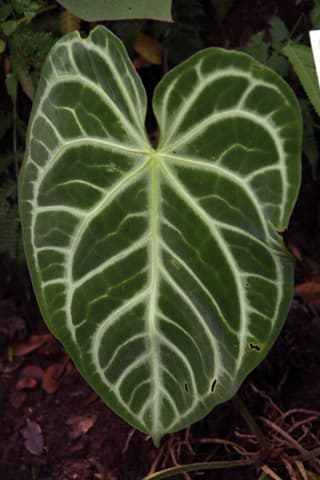
| Crystal Anthurium | Hard | Partial shade | 7d | ⚠️ |