Asteraceae
Hieracium (Hawkweed) Care Guide
Hieracium
As a genus, hawkweeds are tough, low-maintenance plants that thrive in full sun to partial shade and tolerate poor, rocky or sandy soils. They need little supplemental water once established and require almost no fertilizing. Because many species spread aggressively by rhizomes, stolons and wind-blown seed, gardeners in regions where hawkweed is listed as noxious should avoid planting it and instead monitor and remove volunteer plants promptly.
Every 14 days
Bright indirect
° - °C
% - %
Categories
What is Hawkweed?
Hawkweed (Hieracium) is a easy-care plant from the Asteraceae family. Hieracium is a large, taxonomically complex genus of flowering plants in the daisy family (Asteraceae), commonly known as hawkweed. The genus name comes from the ancient Greek 'hierax' (hawk), tied to an old legend that hawks used the plant's milky sap to sharpen their eyesight. Hawkweeds are herbac...
Hawkweed grows up to 90cm, watering every 14 days. It is not suitable for indoor environments and safe for pets.
Unlike many tropical plants, Hawkweed tolerates watering mistakes. Best for beginners. Unlike many popular species, Hawkweed is safe to keep around pets.
How to Care for Hawkweed?
TLDR: Hawkweed needs Bright indirect, watering every 14 days, and temperatures between 15-30°C with 40-70% humidity.
How Often Should You Water Hawkweed?
Water only when the top few centimeters of soil are dry; hawkweed is drought-tolerant and prone to problems (root and crown rot) in soggy, poorly drained soil.
How Much Light Does Hawkweed Need?
Give hawkweed full sun for the best flowering and most compact growth, though it will also tolerate partial shade.
What Is the Best Soil for Hawkweed?
Plant in well-draining loam, sandy, or rocky soil; heavy, waterlogged clay reduces vigor and invites disease.
What Pot Should You Use for Hawkweed?
Not typically grown as a potted houseplant; if containerized, use a shallow, wide, unglazed terracotta pot with drainage holes to mimic its rocky, well-drained native habitat.
What Is Hawkweed and Where Does It Come From?
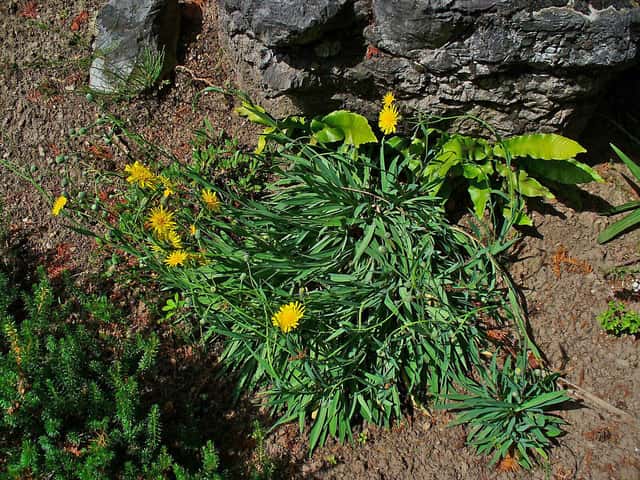
Hieracium is a large, taxonomically complex genus of flowering plants in the daisy family (Asteraceae), commonly known as hawkweed. The genus name comes from the ancient Greek 'hierax' (hawk), tied to an old legend that hawks used the plant's milky sap to sharpen their eyesight. Hawkweeds are herbaceous perennials that form basal rosettes of hairy, often bristly leaves and send up erect flowering stems topped with clusters of small, dandelion-like yellow or orange flower heads. Reproduction is unusual: most species reproduce apomictically, producing genetically identical seeds without fertilization, which has led botanists to describe anywhere from a few hundred to several thousand microspecies. While some Hieracium species are valued as low-maintenance wildflowers for naturalized gardens and pollinator plantings, many others (such as orange hawkweed and meadow hawkweed) are aggressive colonizers classified as noxious, invasive weeds in North America, New Zealand, and parts of Australia, where they outcompete native vegetation and forage grasses.
How to Propagate Hawkweed?
Propagation from seed
Most Hieracium species set seed apomictically, so seedlings are genetically identical to the parent plant; self-sowing is often prolific, which is part of why several species are considered weeds.
- 1 Collect ripe, fluffy seed heads once they turn white and papery
- 2 Sow seed directly on the soil surface, pressing lightly (seeds need light to germinate)
- 3 Keep the seedbed lightly moist until seedlings establish
Materials needed:
Division of basal rosettes
Division is the fastest way to get flowering plants and avoids the unpredictability of collecting seed.
- 1 Dig up an established clump in early spring
- 2 Gently separate rooted basal rosettes/offsets by hand
- 3 Replant divisions immediately at the same depth in well-draining soil
Materials needed:
How Big Does Hawkweed Grow?
TLDR: Hawkweed can reach up to 90cm tall with Fast growth rate.
Max height
90cm
Growth rate
Fast
Foliage
Deciduous
Plant Uses
Ornamental
Great for decoration
Is your plant showing symptoms?
Click on the symptom to discover possible causes:
What Diseases Commonly Affect Hawkweed?
TLDR: Hawkweed is susceptible to 6 known diseases. Monitor regularly for early detection.
Powdery Mildew
Powdery mildew is a common fungal disease caused by various fungi species including Erysiphe, Podosphaera, Oïdium, and Leveillula. It affects over 10,000 plant species worldwide. The disease thrives in warm, dry climates with high humidity and appears as a distinctive white powdery coating on plant surfaces.
Leaf Spot
Leaf spot is a common fungal disease caused by various pathogens including Alternaria, Ascochyta, Colletotrichum, Septoria, and Venturia. It primarily affects leaves, causing discolored spots that can lead to premature leaf drop if left untreated.
Rust
Rust is a common fungal disease caused by fungi in the order Pucciniales that affects a wide variety of plants. The disease gets its name from the characteristic orange, yellow, or reddish-brown pustules that appear on leaves, resembling metal rust. This obligate fungal parasite requires living plants to survive and can cause significant economic losses in agricultural crops.
Aphids
Aphids are small, soft-bodied, pear-shaped insects (1/16 to 1/8 inch long) that feed by sucking nutrient-rich sap from plants. They reproduce rapidly and can quickly weaken plants, causing distorted growth and transmitting plant viruses. Aphids come in various colors including green, black, red, yellow, brown, and gray. They secrete honeydew, a sticky substance that attracts ants and encourages sooty mold growth.
Fun Facts
The name Hieracium comes from the ancient Greek word for "hawk," from a legend that hawks used the plant's milky sap to sharpen their eyesight.
Most hawkweed species reproduce apomictically, creating seeds that are genetic clones of the parent plant without fertilization.
Depending on the classification system used, botanists recognize anywhere from about 800 to several thousand Hieracium microspecies.
Several hawkweed species, like orange hawkweed, are considered noxious weeds and are banned from sale or cultivation in some US states and New Zealand.
Frequently asked questions
Is hawkweed invasive?
How much water does hawkweed need?
Is hawkweed toxic to pets?
What kind of soil does hawkweed prefer?
Compare with similar plants
| Attribute | Difficulty | Light | Watering | Pet Safe |
|---|---|---|---|---|
| Field Maple | Easy | Bright indirect | 14d | ✓ |
| Silver Birch | Easy | Direct sun | 14d | ✓ |
| Common Blanketflower | Easy | Direct sun | 10d | ✓ |
| Cushion Bush | Easy | Direct sun | 14d | ✓ |





