Brassicaceae
Hedge mustard: Edible Plant
Sisymbrium
An easy-going, drought-tolerant plant that thrives in full sun on ordinary, well-draining soil. Needs little attention once established and self-seeds freely.
Every 10 days
Bright indirect
-15° - 35°C
% - %
Categories
What is Hedge mustard?
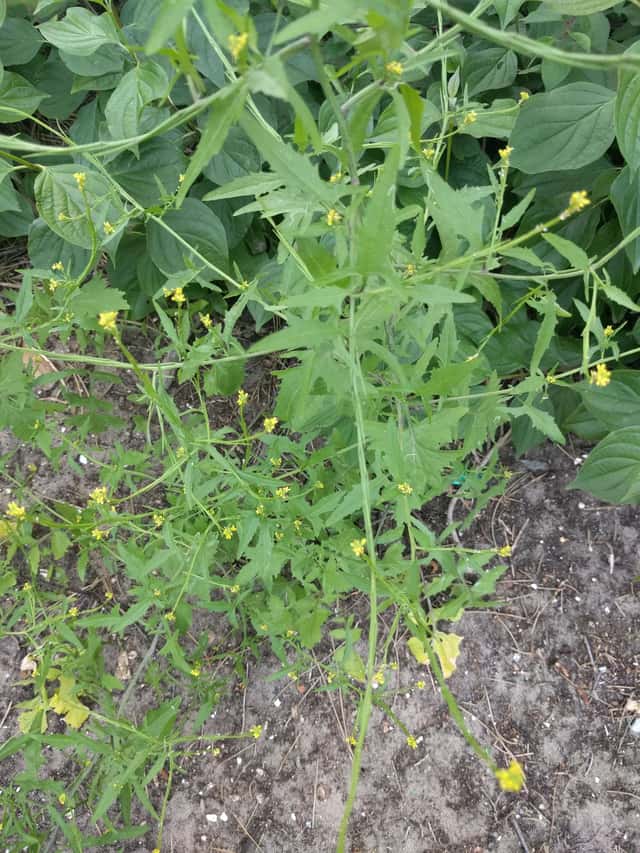
Hedge mustard (Sisymbrium) is a easy-care plant from the Brassicaceae family. Sisymbrium is a genus of around 40 species of annual and biennial herbs in the mustard family (Brassicaceae), commonly known as hedge mustards. The most widespread species, Sisymbrium officinale, is a weedy plant of disturbed ground, roadsides and hedgerows across Europe and naturalized worldwide, b...
Hedge mustard grows up to 80cm, watering every 10 days, -15°C – 35°C. It is not suitable for indoor environments and safe for pets.
Unlike many tropical plants, Hedge mustard tolerates watering mistakes. Best for beginners. Unlike many popular species, Hedge mustard is safe to keep around pets.
How to Care for Hedge mustard?
TLDR: Hedge mustard needs Bright indirect, watering every 10 days, and temperatures between -15-35°C with 40-70% humidity.
How Often Should You Water Hedge mustard?
Water only when the soil has dried out; Sisymbrium is drought tolerant and dislikes waterlogged soil.
How Much Light Does Hedge mustard Need?
Grow in full sun for the healthiest, most compact growth, though it tolerates light shade.
What Is the Best Soil for Hedge mustard?
Prefers moderately fertile, well-draining loamy soil but tolerates poor or disturbed ground.
Care Schedule
Fertilize
Every 14 days
Misting
Every 3 days
Rotate
Every 7 days
Repot
Every 365 days
What Is Hedge mustard and Where Does It Come From?
Sisymbrium is a genus of around 40 species of annual and biennial herbs in the mustard family (Brassicaceae), commonly known as hedge mustards. The most widespread species, Sisymbrium officinale, is a weedy plant of disturbed ground, roadsides and hedgerows across Europe and naturalized worldwide, bearing small yellow four-petaled flowers and slender seed pods. Historically nicknamed "the singer's plant", it was used by opera singers and orators to soothe hoarseness and protect the voice.
How Big Does Hedge mustard Grow?
TLDR: Hedge mustard can reach up to 80cm tall with Fast growth rate.
Max height
80cm
Growth rate
Fast
Foliage
Deciduous
Plant Uses
Edible
Can be consumed
Medicinal
Medicinal properties
Medicinal Uses
- Traditional remedy for hoarseness and vocal strain ("singer's plant")
- Used for coughs and bronchial complaints
- Historically used for digestive ailments
Culinary Uses
- Young leaves used in salads or cooked as a leafy green
- Seeds used in mustard pastes and as a spice/condiment
Is your plant showing symptoms?
Click on the symptom to discover possible causes:
What Diseases Commonly Affect Hedge mustard?
TLDR: Hedge mustard is susceptible to 3 known diseases. Monitor regularly for early detection.
Powdery Mildew
Powdery mildew is a common fungal disease caused by various fungi species including Erysiphe, Podosphaera, Oïdium, and Leveillula. It affects over 10,000 plant species worldwide. The disease thrives in warm, dry climates with high humidity and appears as a distinctive white powdery coating on plant surfaces.
Downy Mildew
Downy mildew is a fungal-like disease caused by oomycetes (water molds) that thrives in cool, wet conditions. It affects a wide range of plants, causing yellowing leaves with fuzzy white-gray growth underneath, leading to defoliation and reduced yields if left untreated.
Aphids
Aphids are small, soft-bodied, pear-shaped insects (1/16 to 1/8 inch long) that feed by sucking nutrient-rich sap from plants. They reproduce rapidly and can quickly weaken plants, causing distorted growth and transmitting plant viruses. Aphids come in various colors including green, black, red, yellow, brown, and gray. They secrete honeydew, a sticky substance that attracts ants and encourages sooty mold growth.
Compare with similar plants
| Attribute | Difficulty | Light | Watering | Pet Safe |
|---|---|---|---|---|
| Field Maple | Easy | Bright indirect | 14d | ✓ |
| Silver Birch | Easy | Direct sun | 14d | ✓ |
| Common Blanketflower | Easy | Direct sun | 10d | ✓ |
| Cushion Bush | Easy | Direct sun | 14d | ✓ |





