Heliconiaceae
Heliconia Care Guide
Heliconia
Heliconia thrives in bright, filtered light, regular watering that keeps the substrate moist without waterlogging, and high ambient humidity (60-80%). It needs organically rich, well-draining soil, consistently warm temperatures (18-30 C / 65-86 F) and protection from cold. Feed during the growing season and divide rhizomes to propagate or control size.
Every 3 days
Bright indirect
15° - 30°C
60% - 80%
Categories
What is Heliconia?
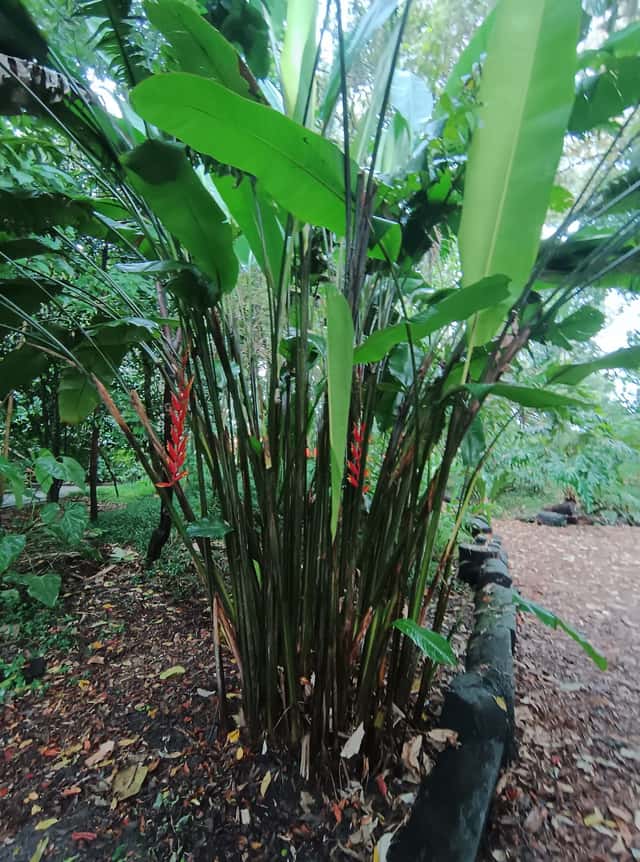
Heliconia (Heliconia) is a medium-care plant from the Heliconiaceae family. Heliconia is a genus of tropical perennial plants native to the tropical Americas, prized for its striking lobster-claw or parrot-beak shaped inflorescences. Waxy, brightly colored bracts in shades of red, orange, yellow and pink shelter small true flowers and attract hummingbirds in the wild. With...
Heliconia grows up to 3.0m, spread of 150cm, watering every 3 days, 15°C – 30°C, 60–80% humidity. It is suitable for indoor environments and not safe for pets.
Without precautions, ingestion can cause irritation in pets. Keep out of reach of cats and dogs. Without adequate drainage, root rot can develop within 7 days.
How to Care for Heliconia?
TLDR: Heliconia needs Bright indirect, watering every 3 days, and temperatures between 15-30°C with 60-80% humidity.
How Often Should You Water Heliconia?
Water when the top layer of soil feels slightly dry to the touch, keeping moisture consistent without waterlogging. In warm weather it may need watering every 2-3 days; in winter, reduce to about once a week. Always water at soil level rather than overhead to prevent fungal issues.
How Much Light Does Heliconia Need?
Give it at least six hours of bright, indirect light per day. A spot with dappled shade or filtered light, such as under a tree canopy or near an east-facing window, works well. Avoid harsh direct midday sun, which can scorch the leaves.
What Is the Best Soil for Heliconia?
Use a loose, well-draining, organically rich medium: a mix of garden loam, compost or worm castings, coconut coir or peat, and coarse sand or perlite to keep rhizomes from sitting in water.
What Pot Should You Use for Heliconia?
A large, deep pot with good drainage, preferably terracotta or sturdy plastic, since the rhizomes spread quickly.
Care Schedule
Fertilize
Every 30 days
Misting
Every 3 days
Rotate
Every 14 days
What Is Heliconia and Where Does It Come From?
Heliconia is a genus of tropical perennial plants native to the tropical Americas, prized for its striking lobster-claw or parrot-beak shaped inflorescences. Waxy, brightly colored bracts in shades of red, orange, yellow and pink shelter small true flowers and attract hummingbirds in the wild. With large, banana-like leaves, it brings lush jungle texture to tropical gardens and bright indoor spaces.
How to Propagate Heliconia?
Rhizome division
Divide at the start of the warm season and always use disinfected tools to avoid rot.
- 1 Choose a mature clump with several shoots or new canes
- 2 Carefully dig up the rhizome with a spade
- 3 Using a clean tool, cut a section with at least one healthy bud and roots
- 4 Dust the cut surface with fungicide powder
- 5 Plant the section in well-draining soil with the bud barely covered
- 6 Water moderately until new growth appears
Materials needed:
Seed propagation
Seed propagation is slow and uneven; it is used more for breeding than home cultivation.
- 1 Lightly scarify the seed to break its hard coat
- 2 Soak seeds in warm water for 2-3 days
- 3 Sow in moist substrate at 82-86 F daytime temperatures
- 4 Keep consistently moist until germination
Materials needed:
How Big Does Heliconia Grow?
TLDR: Heliconia can reach up to 3.0m tall with Medium growth rate.
Max height
3.0m
Spread
1.5m
Growth rate
Medium
Foliage
Evergreen
Warning: Toxic Plant
This plant can be toxic if ingested. Keep out of reach of:
Plant Uses
Ornamental
Great for decoration
Is your plant showing symptoms?
Click on the symptom to discover possible causes:
What Diseases Commonly Affect Heliconia?
TLDR: Heliconia is susceptible to 11 known diseases. Monitor regularly for early detection.
Root Rot
Root rot is a serious fungal disease that affects the root system of plants, causing them to decay and die. It is primarily caused by overwatering, poor drainage, or soil-borne fungi such as Pythium, Phytophthora, Rhizoctonia, and Fusarium. The disease thrives in waterlogged conditions where roots are deprived of oxygen, making them susceptible to fungal infection.
Leaf Spot
Leaf spot is a common fungal disease caused by various pathogens including Alternaria, Ascochyta, Colletotrichum, Septoria, and Venturia. It primarily affects leaves, causing discolored spots that can lead to premature leaf drop if left untreated.
Powdery Mildew
Powdery mildew is a common fungal disease caused by various fungi species including Erysiphe, Podosphaera, Oïdium, and Leveillula. It affects over 10,000 plant species worldwide. The disease thrives in warm, dry climates with high humidity and appears as a distinctive white powdery coating on plant surfaces.
Grey Mould
Meaning & Symbolism
Heliconia symbolizes exotic beauty, tropical vitality and attraction, both through its role in luring hummingbirds and as a striking ornamental in gardens and festive floral arrangements.
Fun Facts
Its showy bracts are not the true flowers but modified leaves that shelter small tubular flowers inside.
It is a key genus for specialized hummingbirds that co-evolved with the curved shape of its bracts.
Some species can reach up to 20 feet tall in the wild.
Frequently asked questions
Is Heliconia toxic to pets?
How much light does Heliconia need?
How often should I water my Heliconia?
How is Heliconia propagated?
Compare with similar plants
| Attribute | Difficulty | Light | Watering | Pet Safe |
|---|---|---|---|---|
| Dark Fieldcap | Medium | Low light | 2d | ⚠️ |
| Azalea | Medium | Partial shade | 3d | ⚠️ |
| Muriel's Bamboo | Medium | Partial shade | 3d | ✓ |
| Bougainvillea | Medium | Direct sun | 7d | ⚠️ |