Boraginaceae
honeywort: Aromatic Plant
Cerinthe major
Honeywort thrives in full sun with well-draining, neutral-to-slightly-alkaline soil. Let the soil dry between waterings -- it tolerates drought far better than soggy roots -- and skip heavy feeding, which encourages leggy growth over flowers. It is largely pest- and disease-free, self-seeds freely, and rewards minimal fuss with months of pollinator-friendly blooms.
Every 7 days
Direct sun
0° - 35°C
% - %
Categories
What is honeywort?
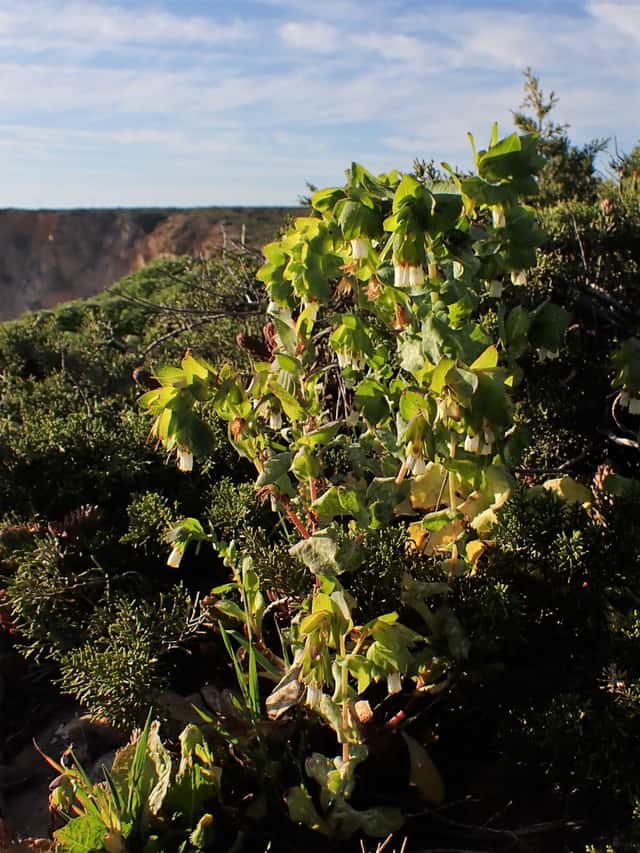
honeywort (Cerinthe major) is a easy-care plant from the Boraginaceae family. Cerinthe major, commonly called honeywort, is a fast-growing Mediterranean annual in the borage family prized for its waxy, blue-green foliage and nodding clusters of tubular flowers cupped by heart-shaped bracts. Native to southern Europe, western Asia and North Africa, it self-seeds readily in war...
honeywort grows up to 60cm, spread of 45cm, watering every 7 days, 0°C – 35°C. It is not suitable for indoor environments and safe for pets.
Unlike many tropical plants, honeywort tolerates watering mistakes. Best for beginners. Unlike many popular species, honeywort is safe to keep around pets.
How to Care for honeywort?
TLDR: honeywort needs Direct sun, watering every 7 days, and temperatures between 0-35°C with 40-70% humidity.
How Often Should You Water honeywort?
Water deeply but infrequently, letting the top few centimeters of soil dry out between waterings; honeywort's waxy foliage handles dry spells well, but soggy, poorly-drained soil quickly leads to root rot.
How Much Light Does honeywort Need?
Give honeywort at least 6 hours of direct sun a day for the strongest flowering and most compact habit; in very hot climates a little afternoon shade prevents scorching, but too much shade causes leggy, sparse growth.
What Is the Best Soil for honeywort?
Plant in loose, well-draining soil with a neutral to slightly alkaline pH; enrich with a little compost at planting but avoid rich, high-nitrogen soil, which pushes leafy growth at the expense of flowers.
What Pot Should You Use for honeywort?
Best grown directly in garden beds or borders where its taproot can run; if containerized, use a wide, well-draining terracotta pot at least 20-25cm deep to keep roots cool and prevent waterlogging.
Care Schedule
Fertilize
Every 30 days
What Is honeywort and Where Does It Come From?
Cerinthe major, commonly called honeywort, is a fast-growing Mediterranean annual in the borage family prized for its waxy, blue-green foliage and nodding clusters of tubular flowers cupped by heart-shaped bracts. Native to southern Europe, western Asia and North Africa, it self-seeds readily in warm borders and containers, blooming from spring through fall. Its nectar-rich flowers are a magnet for bees and other pollinators, and the genus name -- Greek for "wax flower" -- nods to the old belief that bees gathered wax from its blooms.
How to Propagate honeywort?
Seed Sowing
- Honeywort self-seeds readily if spent flowers are left to drop, often returning on its own the following spring.
- Because of its taproot, direct sowing or moving transplants while still very young gives the best results.
- 1 Soak Seeds
Soak the large, hard seeds in lukewarm water for 12-24 hours before planting to soften the seed coat and speed germination.
- 2 Sow Direct or in Pots
Sow seeds about 1cm deep directly in the garden after the last frost, or start indoors 4-6 weeks earlier in biodegradable pots -- the taproot resents transplanting.
- 3 Thin and Maintain
Keep soil lightly moist until germination, then let it dry between waterings; thin seedlings to 30-45cm apart once true leaves appear.
Materials needed:
How Big Does honeywort Grow?
TLDR: honeywort can reach up to 60cm tall with Fast growth rate.
Max height
60cm
Spread
45cm
Growth rate
Fast
Foliage
Deciduous
Plant Uses
Ornamental
Great for decoration
Edible
Can be consumed
Aromatic
Pleasant fragrance
Culinary Uses
- Young leaves and shoots are traditionally added raw to seasonal salads in parts of Sicily, Italy.
- Flowers are used as an edible, honey-flavored garnish for salads and desserts.
Is your plant showing symptoms?
Click on the symptom to discover possible causes:
What Diseases Commonly Affect honeywort?
TLDR: honeywort is susceptible to 4 known diseases. Monitor regularly for early detection.
Root Rot
Root rot is a serious fungal disease that affects the root system of plants, causing them to decay and die. It is primarily caused by overwatering, poor drainage, or soil-borne fungi such as Pythium, Phytophthora, Rhizoctonia, and Fusarium. The disease thrives in waterlogged conditions where roots are deprived of oxygen, making them susceptible to fungal infection.
Aphids
Aphids are small, soft-bodied, pear-shaped insects (1/16 to 1/8 inch long) that feed by sucking nutrient-rich sap from plants. They reproduce rapidly and can quickly weaken plants, causing distorted growth and transmitting plant viruses. Aphids come in various colors including green, black, red, yellow, brown, and gray. They secrete honeydew, a sticky substance that attracts ants and encourages sooty mold growth.
Powdery Mildew
Powdery mildew is a common fungal disease caused by various fungi species including Erysiphe, Podosphaera, Oïdium, and Leveillula. It affects over 10,000 plant species worldwide. The disease thrives in warm, dry climates with high humidity and appears as a distinctive white powdery coating on plant surfaces.
Caterpillars
Caterpillars are the larval stage of moths and butterflies that feed voraciously on plant foliage, stems, flowers, and fruits. Common species include cabbage loopers, tomato hornworms, armyworms, and cutworms. These pests can cause extensive damage by consuming large amounts of plant tissue in a short time. They vary in size from small (1/4 inch) to large (5 inches), with colors ranging from green to brown, often featuring stripes or spots. Caterpillars are highly mobile and can quickly spread throughout gardens, making them one of the most destructive common pests.
Meaning & Symbolism
Honeywort's genus name comes from the Greek keros (wax) and anthos (flower), reflecting an old belief that bees drew wax from its blooms -- the Roman poet Virgil even recommended crushing the plant into water as an offering to lure a swarming hive into a new home. With its rich blue-purple bracts, honeywort has come to symbolize abundance, hospitality and the sweetness bees bring to a garden.
Compare with similar plants
| Attribute | Difficulty | Light | Watering | Pet Safe |
|---|---|---|---|---|
| Field Maple | Easy | Bright indirect | 14d | ✓ |
| Silver Birch | Easy | Direct sun | 14d | ✓ |
| Common Blanketflower | Easy | Direct sun | 10d | ✓ |
| Cushion Bush | Easy | Direct sun | 14d | ✓ |





