Orchidaceae
Hyacinth Orchid: Pet-Safe Plant
Dipodium squamatum
This wild orchid is essentially impossible to cultivate outside its native habitat. Mycoheterotrophic orchids require specific fungal symbionts (typically wood-decomposing basidiomycetes) for survival, and successful propagation or long-term cultivation remains beyond current horticultural methods. This species is not available in horticulture and attempts to grow it are not recommended. Research collections are maintained for scientific study only.
Every 7-10 days
Partial shade
10° - 25°C
70% - %
Categories
What is Hyacinth Orchid?
Hyacinth Orchid (Dipodium squamatum) is a hard-care plant from the Orchidaceae family. Dipodium squamatum is a rare, leafless, mycoheterotrophic terrestrial orchid of the family Orchidaceae. Native to eastern Australia (Queensland, New South Wales, Victoria, and South Australia), New Caledonia, and Vanuatu, this species is one of the most challenging orchids to study and conserve. Com...
Hyacinth Orchid grows up to 1.0m, 10°C – 25°C. It is not suitable for indoor environments and safe for pets.
Unlike easy-care plants, Hyacinth Orchid demands constant attention to humidity and light. Not recommended for beginners. Unlike many popular species, Hyacinth Orchid is safe to keep around pets.
How to Care for Hyacinth Orchid?
TLDR: Hyacinth Orchid needs Partial shade, watering every 7 days, and temperatures between 10-25°C with 70-70% humidity.
How Often Should You Water Hyacinth Orchid?
While naturally occurring in well-drained soils, regular watering in cultivation is problematic. Without proper fungal symbiosis, any attempt at moisture management results in rapid root rot and plant death. No standard watering schedule applies.
How Much Light Does Hyacinth Orchid Need?
In natural forest habitat, receives dappled to indirect light under the forest canopy. Direct sunlight is not typical of its growing environment.
What Is the Best Soil for Hyacinth Orchid?
Naturally occurs in well-draining forest soils enriched with decomposing organic matter. Cultivation attempts require association with appropriate wood-decomposing fungi, which cannot be easily replicated outside natural conditions.
What Pot Should You Use for Hyacinth Orchid?
Not recommended for cultivation in pots or containers.
What Is Hyacinth Orchid and Where Does It Come From?
Dipodium squamatum is a rare, leafless, mycoheterotrophic terrestrial orchid of the family Orchidaceae. Native to eastern Australia (Queensland, New South Wales, Victoria, and South Australia), New Caledonia, and Vanuatu, this species is one of the most challenging orchids to study and conserve. Completely lacking photosynthetic leaves, it depends entirely on fungal symbiosis for its nutrients. The erect, reddish-brown flowering stem reaches up to 100 cm tall, bearing 9 to 60 pink to purple flowers, each approximately 2.5 cm across. Blooms occur in summer and fall across its Southern Hemisphere range. In its native habitat, it inhabits open forests, woodlands, drier ridges, and coastal areas at elevations from 10 to 1100 meters in well-drained soils.
How Big Does Hyacinth Orchid Grow?
TLDR: Hyacinth Orchid can reach up to 1.0m tall with Slow growth rate.
Max height
1.0m
Growth rate
Slow
Foliage
Deciduous
Plant Uses
Ornamental
Great for decoration
Is your plant showing symptoms?
Click on the symptom to discover possible causes:
What Diseases Commonly Affect Hyacinth Orchid?
TLDR: Hyacinth Orchid is susceptible to 1 known diseases. Monitor regularly for early detection.
Compare with similar plants
| Attribute | Difficulty | Light | Watering | Pet Safe |
|---|---|---|---|---|
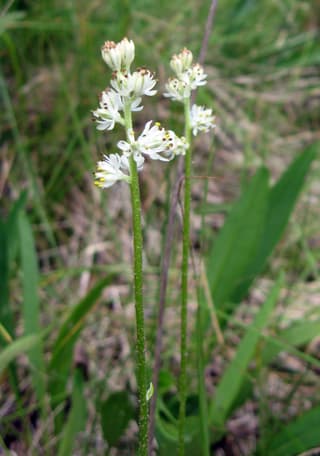
| Sticky false asphodel | Hard | Bright indirect | 1d | ✓ |
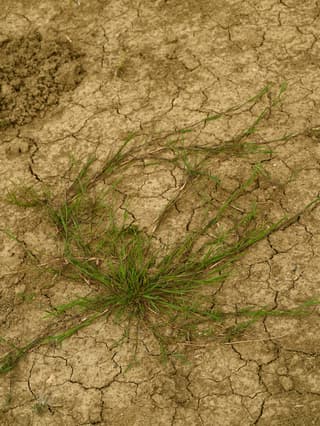
| Creeping bentgrass | Hard | Direct sun | 3d | ✓ |
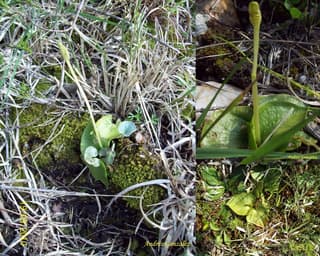
| Bulbous Adder's-tongue | Hard | Partial shade | 4d | ✓ |
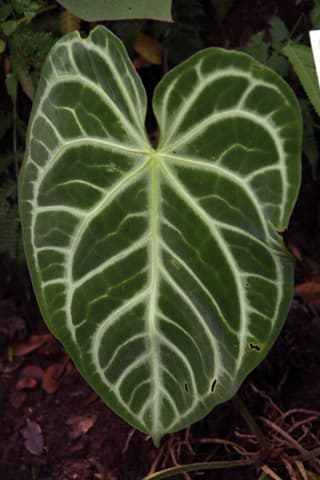
| Crystal Anthurium | Hard | Partial shade | 7d | ⚠️ |