Polygonaceae
Garden Rhubarb: Edible Plant
Rheum x hybridum
Plant in full sun to light shade with rich, well-drained soil. Keep soil consistently moist but never waterlogged, feed twice a year, and remove flower stalks to keep energy in the crown. Divide every 3-5 years to keep plants vigorous.
Every 4 days
Bright indirect
-20° - 30°C
% - %
Categories
What is Garden Rhubarb?
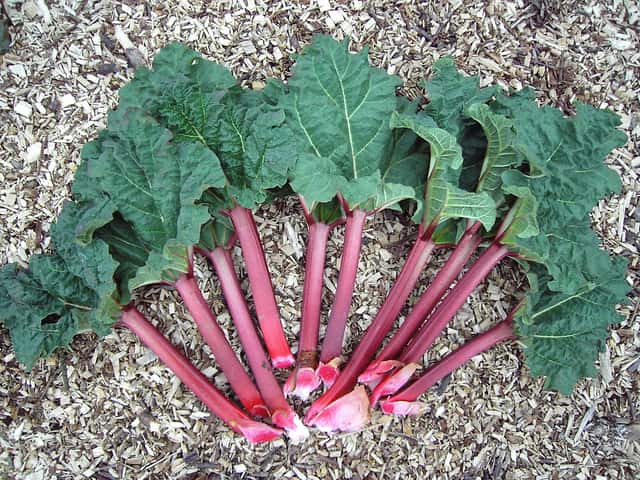
Garden Rhubarb (Rheum x hybridum) is a easy-care plant from the Polygonaceae family. Garden rhubarb is a robust, cold-hardy perennial vegetable prized for its thick, tart, ruby-to-green stalks and enormous crinkled leaves. Though often used like a fruit in pies and jams, it is botanically a vegetable in the buckwheat family. The plant forms a dense clump from a woody rhizome and, if...
Garden Rhubarb grows up to 1.5m, spread of 120cm, watering every 4 days, -20°C – 30°C. It is not suitable for indoor environments and not safe for pets.
Unlike many tropical plants, Garden Rhubarb tolerates watering mistakes. Best for beginners. Without precautions, ingestion can cause irritation in pets. Keep out of reach of cats and dogs.
How to Care for Garden Rhubarb?
TLDR: Garden Rhubarb needs Bright indirect, watering every 4 days, and temperatures between -20-30°C with 40-70% humidity.
How Often Should You Water Garden Rhubarb?
Water deeply to provide about 2.5-5 cm (1-2 in) of water per week, especially during dry spells in spring and summer. Avoid letting the crown sit in soggy soil, which invites crown rot.
How Much Light Does Garden Rhubarb Need?
Thrives in full sun (6+ hours daily) for the best stalk production, though it tolerates partial shade in hotter climates.
What Is the Best Soil for Garden Rhubarb?
Use fertile, humus-rich, well-drained soil with a slightly acidic to neutral pH (6.0-7.0). Amend heavy clay with compost or grow in raised beds to prevent waterlogging.
What Pot Should You Use for Garden Rhubarb?
Best grown directly in garden beds or very large containers (60+ liters) with drainage holes, since the extensive root system needs deep, uncrowded soil.
Care Schedule
Fertilize
Every 90 days
What Is Garden Rhubarb and Where Does It Come From?
Garden rhubarb is a robust, cold-hardy perennial vegetable prized for its thick, tart, ruby-to-green stalks and enormous crinkled leaves. Though often used like a fruit in pies and jams, it is botanically a vegetable in the buckwheat family. The plant forms a dense clump from a woody rhizome and, if not removed, sends up tall flower stalks topped with creamy white plumes in late spring. Only the stalks are eaten -- the leaves contain high levels of oxalic acid and must never be consumed.
How to Propagate Garden Rhubarb?
Crown Division
Divide mature crowns every 3-5 years to prevent overcrowding and maintain stalk quality. Avoid harvesting stalks during the first year after division.
- 1 Wait until the plant is dormant in early spring or autumn, before new growth or after leaves die back
- 2 Dig up the entire crown carefully, keeping as much root intact as possible
- 3 Cut the rhizome into sections with clean, sharp tools, ensuring each piece has 1-3 healthy buds
- 4 Replant divisions immediately, 90-120 cm apart, with buds just below the soil surface
- 5 Water thoroughly after planting and keep soil consistently moist until new growth appears
Materials needed:
How Big Does Garden Rhubarb Grow?
TLDR: Garden Rhubarb can reach up to 1.5m tall with Medium growth rate.
Max height
1.5m
Spread
1.2m
Growth rate
Medium
Foliage
Deciduous
Warning: Toxic Plant
This plant can be toxic if ingested. Keep out of reach of:
Plant Uses
Edible
Can be consumed
Ornamental
Great for decoration
Medicinal
Medicinal properties
Medicinal Uses
- Root extracts traditionally used as a laxative and digestive aid
- Used in traditional medicine to support liver and digestive health
Culinary Uses
- Stalks cooked into pies, crumbles and cobblers
- Stewed into jams, sauces and compotes
- Combined with strawberries in classic desserts
- Leaves are toxic and must never be eaten
Is your plant showing symptoms?
Click on the symptom to discover possible causes:
What Diseases Commonly Affect Garden Rhubarb?
TLDR: Garden Rhubarb is susceptible to 6 known diseases. Monitor regularly for early detection.
Crown Rot
Crown rot is a serious fungal disease that attacks the crown (base) of the plant where the stem meets the soil. It is caused by various fungal pathogens including Phytophthora, Fusarium, and Rhizoctonia. The disease thrives in waterlogged conditions and can quickly spread to kill the entire plant if not addressed promptly.
Leaf Spot
Leaf spot is a common fungal disease caused by various pathogens including Alternaria, Ascochyta, Colletotrichum, Septoria, and Venturia. It primarily affects leaves, causing discolored spots that can lead to premature leaf drop if left untreated.
Rust
Rust is a common fungal disease caused by fungi in the order Pucciniales that affects a wide variety of plants. The disease gets its name from the characteristic orange, yellow, or reddish-brown pustules that appear on leaves, resembling metal rust. This obligate fungal parasite requires living plants to survive and can cause significant economic losses in agricultural crops.
Aphids
Aphids are small, soft-bodied, pear-shaped insects (1/16 to 1/8 inch long) that feed by sucking nutrient-rich sap from plants. They reproduce rapidly and can quickly weaken plants, causing distorted growth and transmitting plant viruses. Aphids come in various colors including green, black, red, yellow, brown, and gray. They secrete honeydew, a sticky substance that attracts ants and encourages sooty mold growth.
Meaning & Symbolism
Represents patience and renewal, since the plant rewards gardeners who wait two to three years before the first harvest with decades of reliable spring growth.
Compare with similar plants
| Attribute | Difficulty | Light | Watering | Pet Safe |
|---|---|---|---|---|
| Field Maple | Easy | Bright indirect | 14d | ✓ |
| Silver Birch | Easy | Direct sun | 14d | ✓ |
| Common Blanketflower | Easy | Direct sun | 10d | ✓ |
| Cushion Bush | Easy | Direct sun | 14d | ✓ |





