Ericaceae
Hybrid Rhododendron: Complete Care Guide
Rhododendron × hybridum
Plant in filtered or partial shade, avoiding intense direct sunlight. Soil must be acidic (pH 4.5-6.0), well-draining, and rich in organic matter such as peat and compost. Water regularly to keep soil moist but never waterlogged. These shallow-rooted plants require consistent moisture. Hardy in USDA zones 4-9. Fertilize only in spring immediately after flowering using an acid-loving plant fertilizer. Do not fertilize after July to prevent frost damage. Prune after flowering if shaping is needed; deadhead spent flowers to redirect energy to next year's blooms.
Every 7 days
Partial shade
-23° - 26°C
% - %
Categories
What is Hybrid Rhododendron?
Hybrid Rhododendron (Rhododendron × hybridum) is a medium-care plant from the Ericaceae family. Rhododendron × hybridum is an evergreen ornamental shrub in the Ericaceae family, resulting from deliberate crosses between various rhododendron species. These garden hybrids were developed specifically for ornamental use, combining the most desirable traits of their parent species. They are woody s...
Hybrid Rhododendron grows up to 6.0m, spread of 600cm, watering every 7 days, -23°C – 26°C. It is not suitable for indoor environments and not safe for pets.
Without precautions, ingestion can cause irritation in pets. Keep out of reach of cats and dogs.
How to Care for Hybrid Rhododendron?
TLDR: Hybrid Rhododendron needs Partial shade, watering every 7 days, and temperatures between -23-26°C with 40-70% humidity.
How Often Should You Water Hybrid Rhododendron?
Water deeply once weekly during dry periods, preferably in the morning. Keep the root ball moist but not saturated - waterlogging is the primary cause of root rot. In hot climates, more frequent watering may be necessary. Reduce watering in winter when growth slows. Morning watering helps prevent fungal issues.
How Much Light Does Hybrid Rhododendron Need?
Ideal location is filtered, dappled shade under tall tree canopies with some winter sun exposure for bud development and summer afternoon shade protection. Insufficient light reduces flowering; intense direct sun scorches leaves. North or east-facing positions are excellent choices.
What Is the Best Soil for Hybrid Rhododendron?
Acidic soil is absolutely essential - pH 4.5-5.5 is ideal. Amend heavily with peat moss, composted pine needles, sphagnum moss, or well-aged compost. Never use lime or soil conditioners that raise pH. Well-draining but moisture-retentive soil prevents waterlogging and root diseases while maintaining consistent moisture.
What Pot Should You Use for Hybrid Rhododendron?
Wide, shallow pans are preferable to tall, narrow pots because roots are shallow. Always choose containers with excellent drainage holes. 30-40 cm deep containers work well for smaller plants. Fill with acid-loving plant potting mix.
What Is Hybrid Rhododendron and Where Does It Come From?
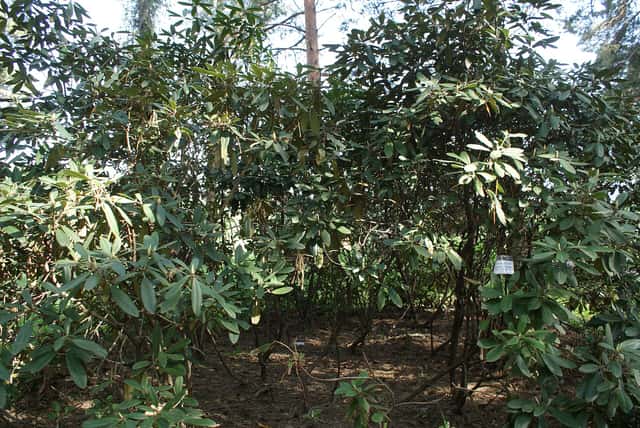
Rhododendron × hybridum is an evergreen ornamental shrub in the Ericaceae family, resulting from deliberate crosses between various rhododendron species. These garden hybrids were developed specifically for ornamental use, combining the most desirable traits of their parent species. They are woody shrubs that typically reach heights of 1.5 to 6 meters (5-20 feet), with the exact size varying by specific cultivar. They produce stunning flowers in shades of pink, purple, red, white, and yellow, typically grouped in large, bell-shaped flower clusters (trusses) during spring. The leathery, narrow leaves persist year-round, providing evergreen visual interest. Originally adapted to forest understory conditions, these plants prefer dappled or partial shade and naturally thrive in acidic woodland environments.
How Big Does Hybrid Rhododendron Grow?
TLDR: Hybrid Rhododendron can reach up to 6.0m tall with Medium growth rate.
Max height
6.0m
Spread
6.0m
Growth rate
Medium
Foliage
Evergreen
Warning: Toxic Plant
This plant can be toxic if ingested. Keep out of reach of:
Plant Uses
Ornamental
Great for decoration
Is your plant showing symptoms?
Click on the symptom to discover possible causes:
What Diseases Commonly Affect Hybrid Rhododendron?
TLDR: Hybrid Rhododendron is susceptible to 11 known diseases. Monitor regularly for early detection.
Phytophthora Root Rot
Disease caused by fungus-like organisms (oomycetes) that live in soil and can survive for years. It affects roots, stem, and crown of plants, being especially severe in waterlogged or poorly drained soils. It is the second most common cause of root rot in trees and shrubs.
Phytophthora Root Rot
The Phytophthora genus consists of soil-borne oomycetes (water molds) that act as plant pathogens, primarily affecting trees and woody plants. It typically spreads through the root system, leading to systemic decline and eventual plant collapse.
Root Rot
Root rot is a serious fungal disease that affects the root system of plants, causing them to decay and die. It is primarily caused by overwatering, poor drainage, or soil-borne fungi such as Pythium, Phytophthora, Rhizoctonia, and Fusarium. The disease thrives in waterlogged conditions where roots are deprived of oxygen, making them susceptible to fungal infection.
Powdery Mildew
Powdery mildew is a common fungal disease caused by various fungi species including Erysiphe, Podosphaera, Oïdium, and Leveillula. It affects over 10,000 plant species worldwide. The disease thrives in warm, dry climates with high humidity and appears as a distinctive white powdery coating on plant surfaces.
Meaning & Symbolism
Strength, resilience, protection, and elegance. Historically associated with luxury and refinement. Also represents caution due to its toxicity.
Compare with similar plants
| Attribute | Difficulty | Light | Watering | Pet Safe |
|---|---|---|---|---|
| Dark Fieldcap | Medium | Low light | 2d | ⚠️ |
| Azalea | Medium | Partial shade | 3d | ⚠️ |
| Muriel's Bamboo | Medium | Partial shade | 3d | ✓ |
| Bougainvillea | Medium | Direct sun | 7d | ⚠️ |




