Ericaceae
Hyperythrum Rhododendron (Rhododendron hyperythrum)
Rhododendron hyperythrum
Plant it in light shade, out of the wind and hot afternoon sun, in rich acidic soil that drains well.
Every 7 days
Partial shade
-23° - °C
% - %
Categories
What is Hyperythrum Rhododendron?
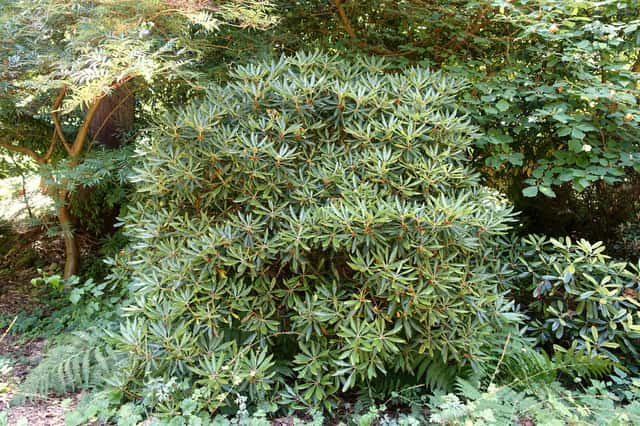
Hyperythrum Rhododendron (Rhododendron hyperythrum) is a medium-care plant from the Ericaceae family. An evergreen shrub from the mountains of Taiwan, at about 3,000 to 4,000 feet. In gardens it stays compact, usually under 8 feet, with leathery leaves 3 to 5 inches long and edges that curl under. In spring it opens trusses of about 10 funnel-shaped flowers, white or faintly pink, sometimes with red...
Hyperythrum Rhododendron grows up to 2.5m, spread of 300cm, watering every 7 days. It is not suitable for indoor environments and not safe for pets.
Without precautions, ingestion can cause irritation in pets. Keep out of reach of cats and dogs.
How to Care for Hyperythrum Rhododendron?
TLDR: Hyperythrum Rhododendron needs Partial shade, watering every 7 days, and temperatures between -23-30°C with 40-70% humidity.
How Often Should You Water Hyperythrum Rhododendron?
Keep the soil lightly moist, about once a week. Do not let it sit wet, or the roots can rot.
How Much Light Does Hyperythrum Rhododendron Need?
Partial shade is best. Hot afternoon sun can scorch the leaves.
What Is the Best Soil for Hyperythrum Rhododendron?
It needs acidic soil, around pH 4.5 to 5.5, rich in organic matter and well drained. In heavy clay, plant it high and work in compost.
What Pot Should You Use for Hyperythrum Rhododendron?
It can stay in a wide pot for a while, with acidic azalea mix and drainage holes.
What Is Hyperythrum Rhododendron and Where Does It Come From?
An evergreen shrub from the mountains of Taiwan, at about 3,000 to 4,000 feet. In gardens it stays compact, usually under 8 feet, with leathery leaves 3 to 5 inches long and edges that curl under. In spring it opens trusses of about 10 funnel-shaped flowers, white or faintly pink, sometimes with reddish flecks. It takes hard cold, down to about -10 °F, and blooms while still young. Rhododendrons can be toxic if eaten, so keep it away from kids and pets. Rated for USDA zones 5b to 9b.
How to Propagate Hyperythrum Rhododendron?
Layering
NC State recommends layering or grafting for rhododendrons. It is slow.
- 1 Bend a low branch down to the ground.
- 2 Bury a section of it and pin it in place.
- 3 Cut it from the parent once it has its own roots.
Materials needed:
How Big Does Hyperythrum Rhododendron Grow?
TLDR: Hyperythrum Rhododendron can reach up to 2.5m tall with Medium growth rate.
Max height
2.5m
Spread
3.0m
Foliage
Evergreen
Warning: Toxic Plant
This plant can be toxic if ingested. Keep out of reach of:
Plant Uses
Ornamental
Great for decoration
Is your plant showing symptoms?
Click on the symptom to discover possible causes:
What Diseases Commonly Affect Hyperythrum Rhododendron?
TLDR: Hyperythrum Rhododendron is susceptible to 8 known diseases. Monitor regularly for early detection.
Azalea lace bug
The Azalea lace bug is a common pest that sucks sap from the underside of leaves. This causes a stippled or bleached appearance on the top of the leaf. You will often see dark, varnish like spots of waste on the leaf bottoms. If left alone, the plant becomes weak and the leaves may turn brown and fall off early.
Curculionidae
Curculionidae (weevils) are small beetles that feed on plants. Adults chew leaf margins, leaving crescent-shaped notches, primarily at night. The larvae live in the substrate and consume roots, causing decline, yellowing, and wilting even when the substrate is moist, and in severe cases, plant death. They frequently affect ornamentals and garden plants such as strawberries, citrus, roses, hydrangeas, azaleas, blueberries, begonias, and many potted plants.
Iron Deficiency
Iron deficiency, commonly known as iron chlorosis, is a nutrient deficiency disorder where plants cannot access sufficient iron from the soil. While iron is typically abundant in soil, various soil conditions can limit plant uptake, resulting in characteristic yellowing of leaves while veins remain green.
Powdery Mildew
Powdery mildew is a common fungal disease caused by various fungi species including Erysiphe, Podosphaera, Oïdium, and Leveillula. It affects over 10,000 plant species worldwide. The disease thrives in warm, dry climates with high humidity and appears as a distinctive white powdery coating on plant surfaces.
Fun Facts
The form usually grown in gardens has nearly unmarked white flowers, unlike most wild plants.
It was described in 1913 and reached English gardens in the 1930s.
One selected form, Omo, won a Royal Horticultural Society award in 1976.
Frequently asked questions
Is this rhododendron toxic to cats and dogs?
Why are the leaves turning yellow?
What pests bother it?
Compare with similar plants
| Attribute | Difficulty | Light | Watering | Pet Safe |
|---|---|---|---|---|
| Dark Fieldcap | Medium | Low light | 2d | ⚠️ |
| Azalea | Medium | Partial shade | 3d | ⚠️ |
| Muriel's Bamboo | Medium | Partial shade | 3d | ✓ |
| Bougainvillea | Medium | Direct sun | 7d | ⚠️ |




