327 Best Succulents for Accomack County | 2026 Guide - Page 5
The 327 best succulents to grow in Accomack County. Ideal climate: 15.9°C, 72.2% humidity.
327 Succulents for Accomack County
Showing 145-180 of 327
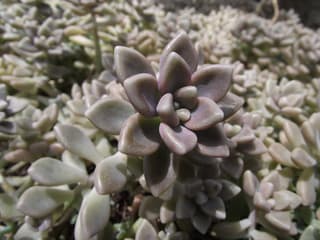
Marbled Succulent
Sedum mendozae

Chalk Dudleya
Dudleya pulverulenta
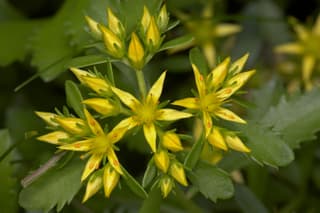
Orange Stonecrop
Sedum kamtschaticum
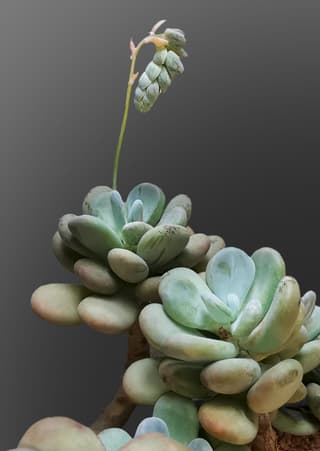
Moonstones
Pachyphytum
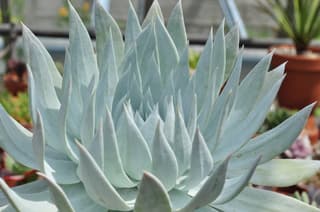
Liveforever
Dudleya
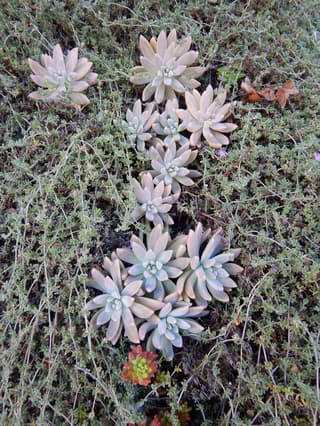
Graptosedum
Graptosedum
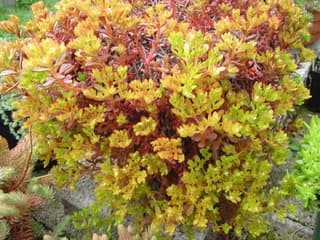
Japanese Stonecrop
Sedum makinoi
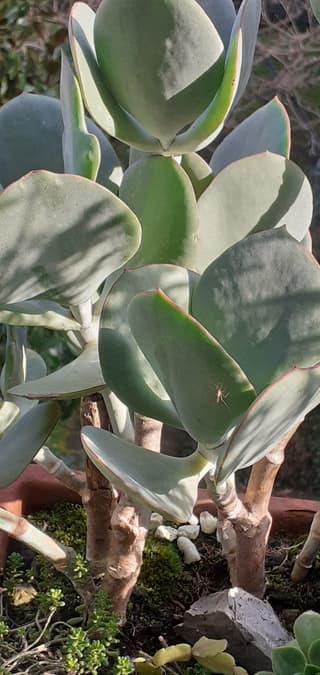
Pig's Ear
Cotyledon orbiculata

Black Echeveria
Echeveria affinis
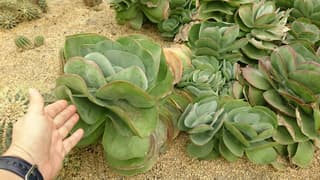
Flapjack Plant
Kalanchoe luciae
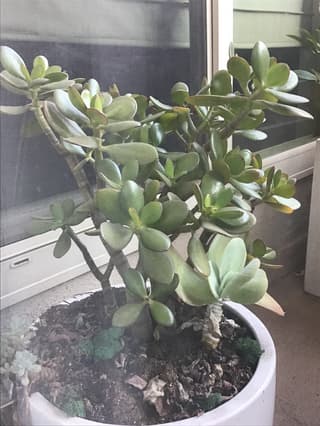
Crassula (genus)
Crassula
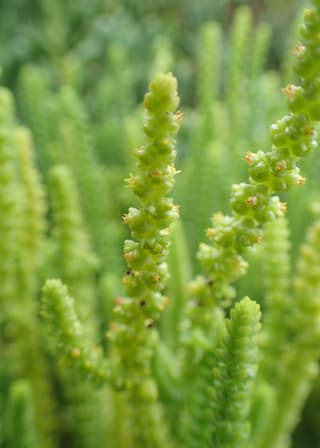
Watch Chain Plant
Crassula muscosa
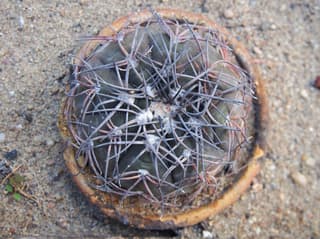
Pflanz's Chin Cactus
Gymnocalycium pflanzii
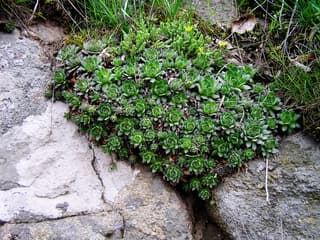
Russian Houseleek
Sempervivum ruthenicum
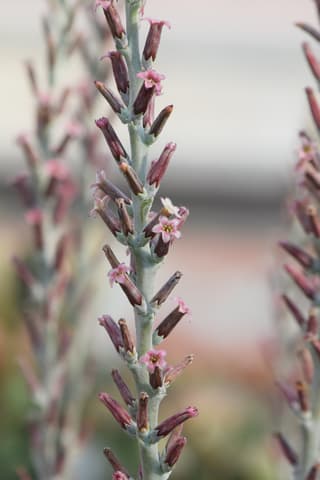
Plover Eggs Plant
Adromischus cooperi
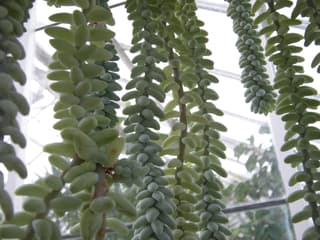
Baby Burro's Tail
Sedum burritum
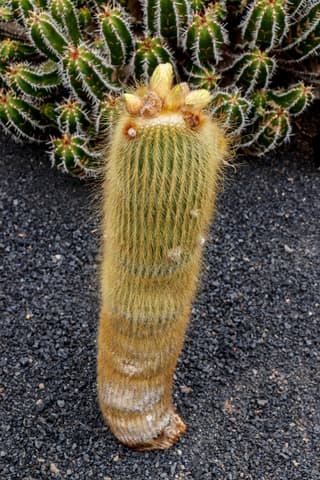
Golden Ball Cactus
Parodia leninghausii
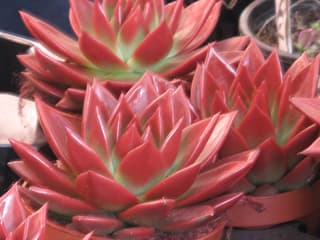
Miranda Echeveria
Echeveria 'Miranda'
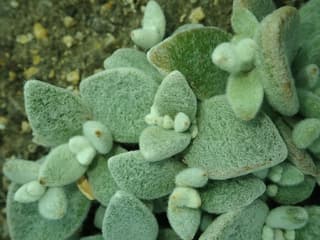
Snow white panda plant
Kalanchoe eriophylla
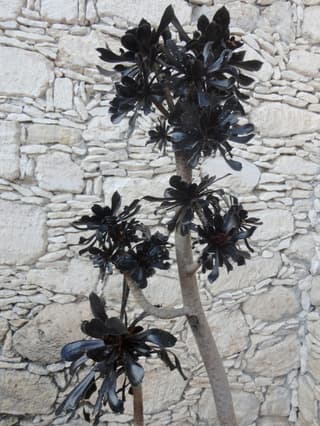
Black Rose
Aeonium 'Zwartkop'

Giant Velvet Rose
Aeonium canariense

Blue Spruce Stonecrop
Sedum reflexum
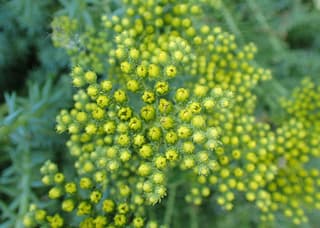
Stonecrop
Petrosedum
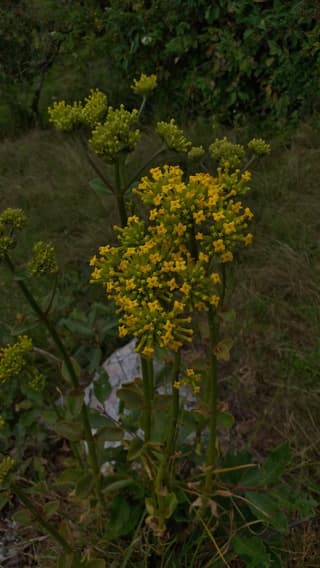
Dense-flowered Kalanchoe
Kalanchoe densiflora
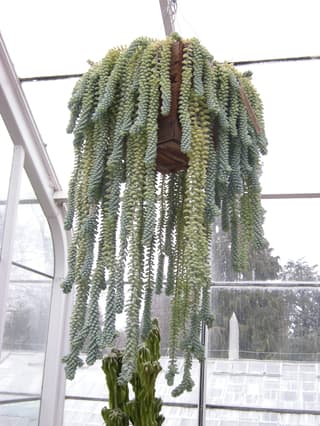
Baby Donkey Tail
Sedum burrito
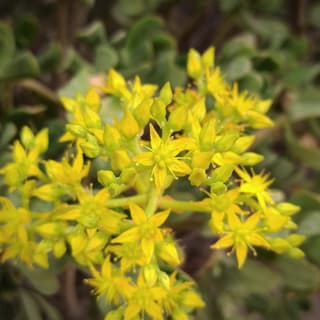
Tree Stonecrop
Sedum dendroideum
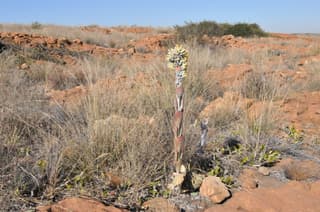
Paddle Plant
Kalanchoe thyrsiflora
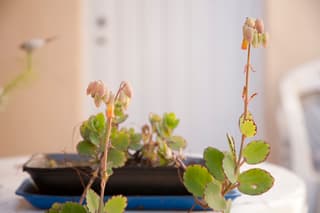
Lavender Scallops
Kalanchoe fedtschenkoi
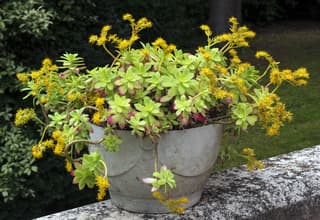
Pacific Stonecrop
Sedum spathulifolium
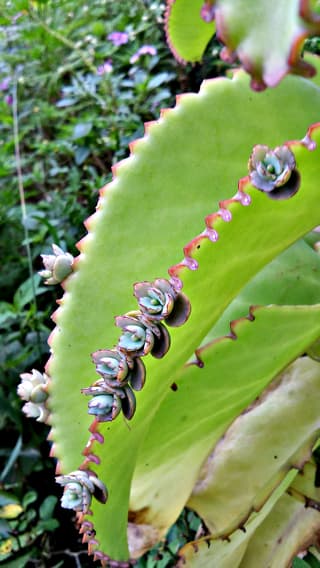
Big Mama Kalanchoe
Kalanchoe laetivirens
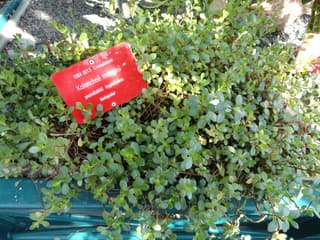
Chandelier Plant
Kalanchoe manginii
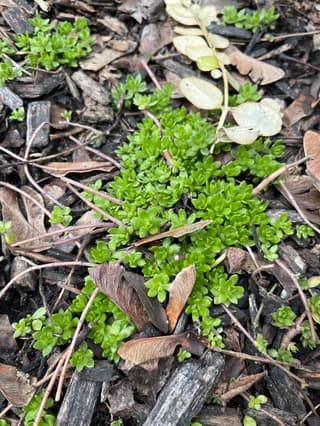
Stringy Stonecrop
Sedum sarmentosum
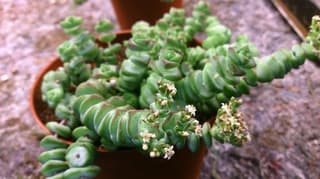
Worm Plant
Crassula marnieriana
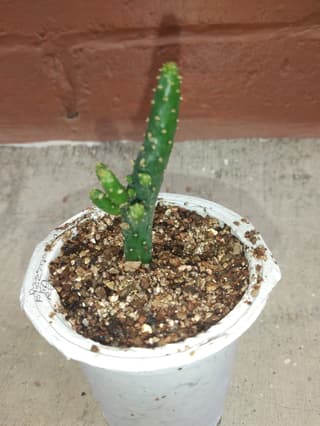
Tuna Prickly Pear
Opuntia tuna
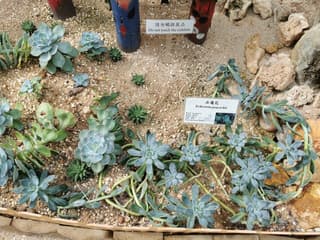
Peacock Echeveria
Echeveria peacockii
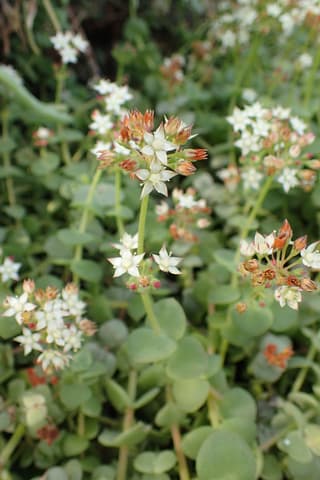
Calico Kitten
Crassula pellucida
Ideal Succulents for Accomack County's Climate
Accomack County has an average temperature of 15.9°C and humidity of 72.2%, conditions that directly influence which succulents best adapt to the local environment.
How to Grow Succulents in Accomack County
To successfully grow succulents in Accomack County, consider that the average temperature of 15.9°C and humidity of 72.2% create a specific microclimate. High humidity favors tropical species, but requires attention to ventilation to prevent fungal issues.
Advantages of Choosing Adapted Succulents
Succulents adapted to Accomack County's climate show greater resistance, healthy growth, and less need for interventions.