207 Best Foliage Plants for Buriti | 2026 Guide - Page 2
The 207 best foliage plants to grow in Buriti. Ideal climate: 28.1°C, 70% humidity.
207 Foliage Plants for Buriti
Showing 37-72 of 207

Green Shield Alocasia
Alocasia clypeolata
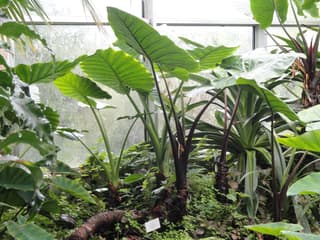
Black Metallic Taro
Alocasia plumbea
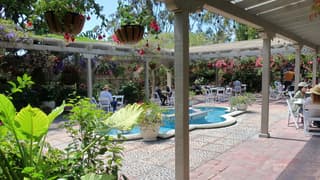
Dwarf Upright Elephant Ear
Alocasia gageana
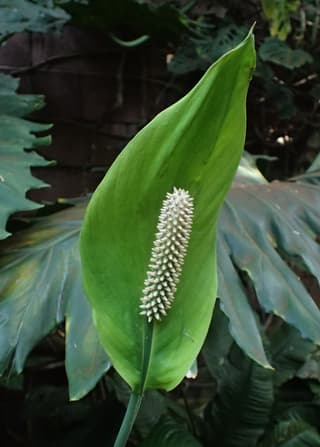
Peace Lily
Spathiphyllum blandum
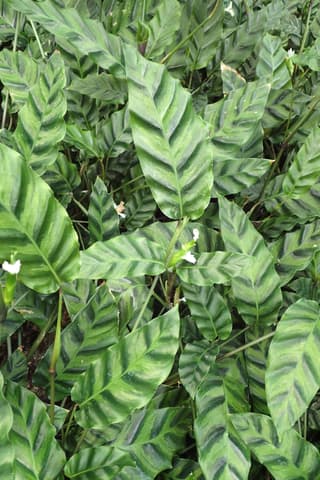
Thai Beauty Calathea
Goeppertia louisae
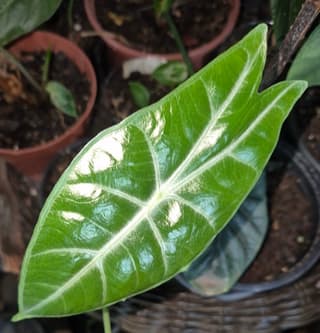
Dragon Scale Alocasia
Alocasia longiloba
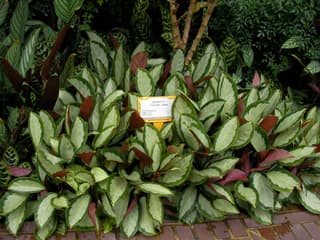
Calathea Picturata
Goeppertia picturata
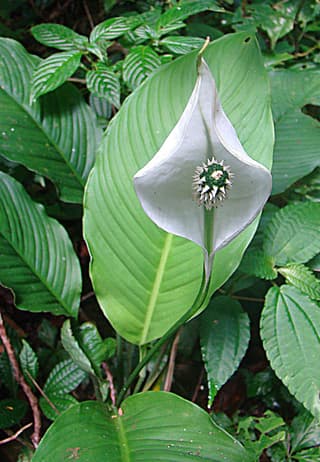
Peace Lily
Spathiphyllum wendlandii
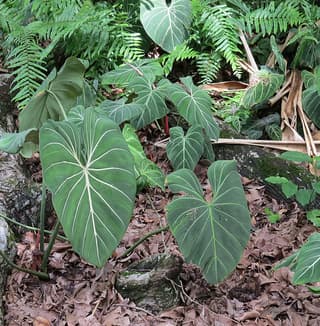
Philodendron Gloriosum
Philodendron gloriosum
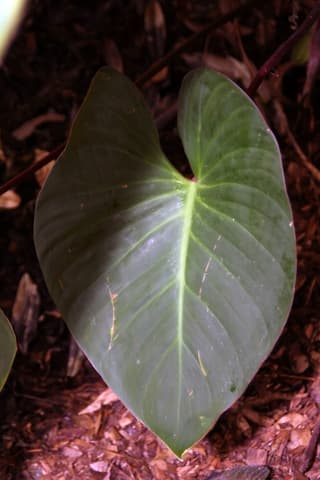
Homalomena
Homalomena
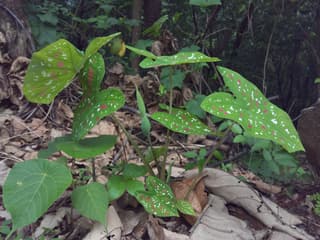
Angel Wings
Caladium bicolor
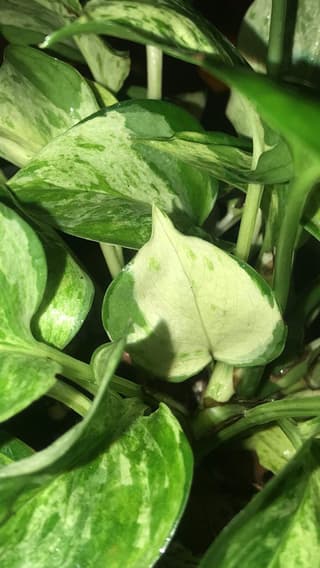
Manjula Pothos
Epipremnum aureum 'Manjula'
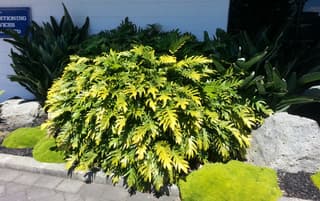
Xanadu Philodendron
Philodendron xanadu
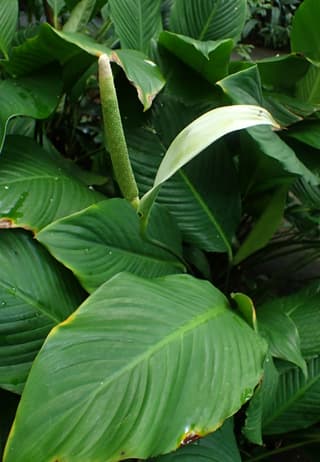
Giant Peace Lily
Spathiphyllum cannifolium
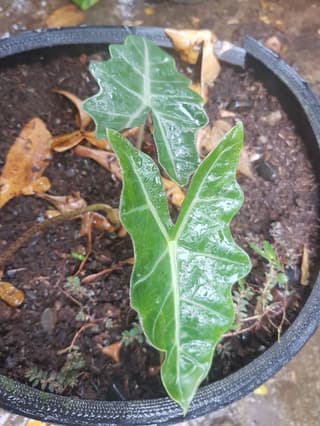
Kris Plant
Alocasia sanderiana
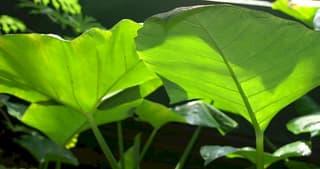
Arrowleaf Elephant Ear
Xanthosoma sagittifolium
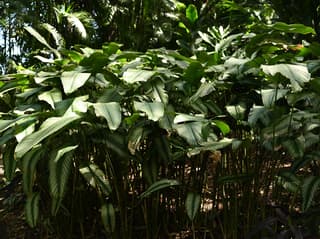
Pinstripe Calathea
Goeppertia ornata
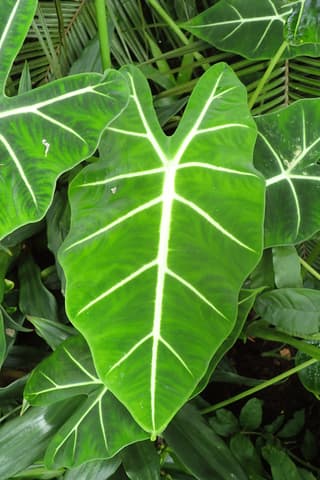
Green Velvet Alocasia
Alocasia micholitziana
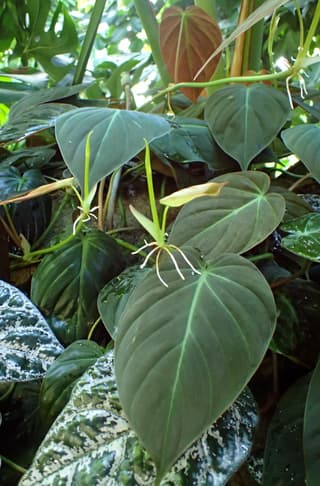
Philodendron
Philodendron
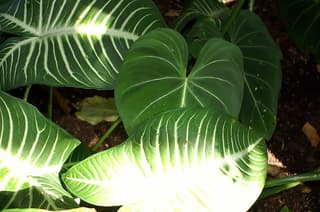
White-veined Caladium
Caladium lindenii

Sterling Silver Scindapsus
Scindapsus treubii
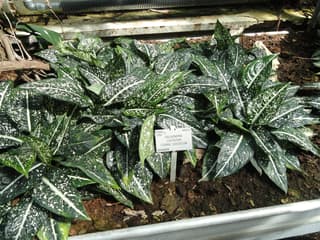
Spotted Evergreen
Aglaonema costatum
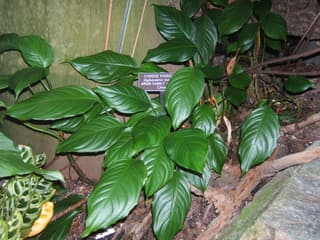
Chinese Evergreen
Aglaonema modestum
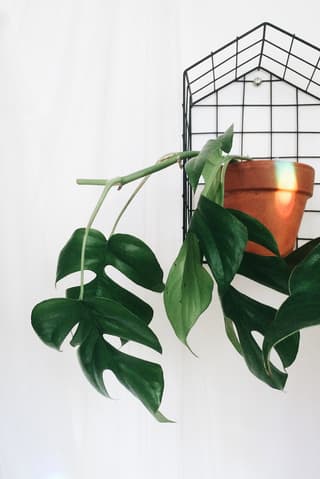
Rhaphidophora (genus)
Rhaphidophora
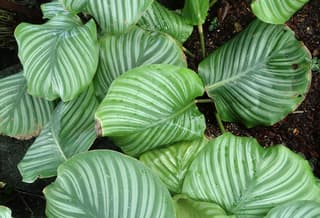
Calathea / Prayer Plant (genus)
Calathea
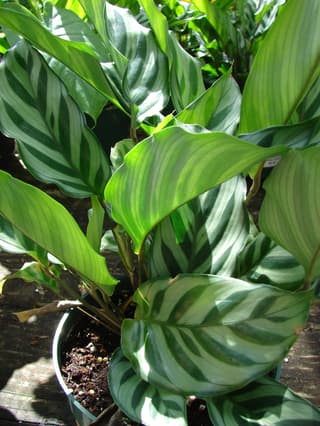
Freddie Calathea
Goeppertia concinna
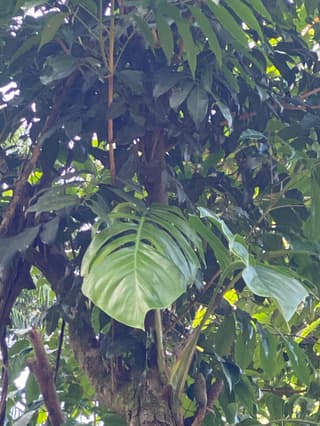
Pothos / Devil's Ivy (genus)
Epipremnum
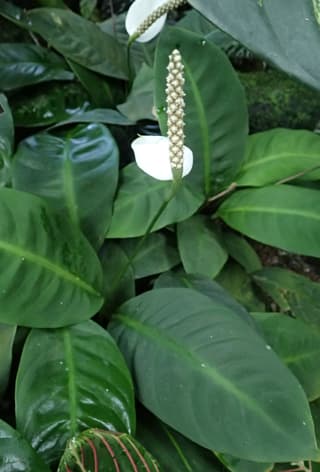
Snowflower
Spathiphyllum floribundum
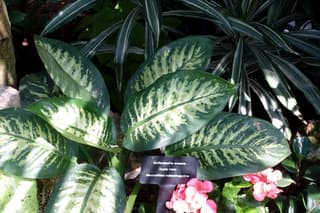
Giant Dumb Cane
Dieffenbachia amoena
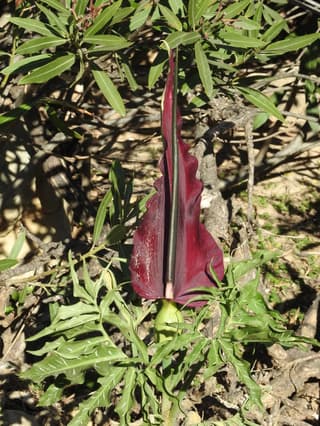
Dragon Lily
Dracunculus vulgaris
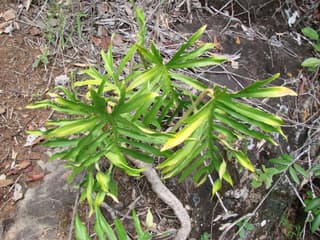
Mayo's Philodendron
Philodendron mayoi
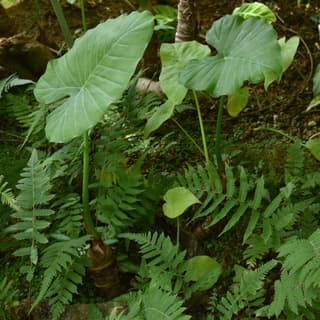
Night-Scented Lily
Alocasia odora
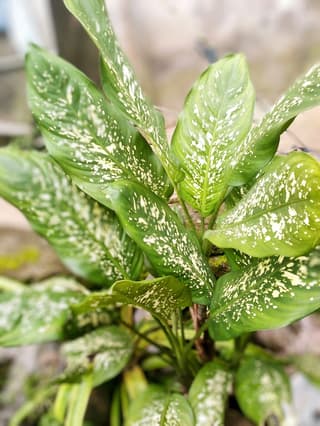
Dumb Cane
Dieffenbachia
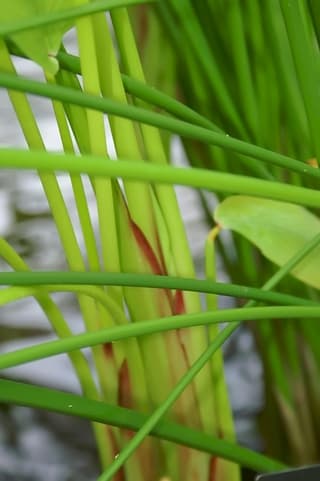
Bent Alligator-flag
Thalia geniculata
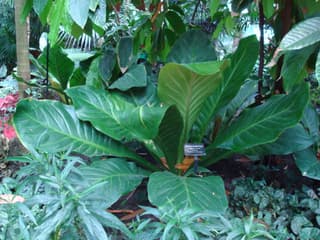
Bird's Nest Anthurium
Anthurium hookeri
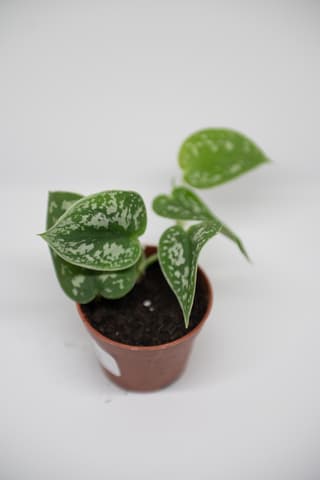
Heartleaf Philodendron
Philodendron scandens
Ideal Foliage Plants for Buriti's Climate
Buriti has an average temperature of 28.1°C and humidity of 70%, conditions that directly influence which foliage plants best adapt to the local environment.
How to Grow Foliage Plants in Buriti
To successfully grow foliage plants in Buriti, consider that the average temperature of 28.1°C and humidity of 70% create a specific microclimate. Moderate humidity is favorable for most species in this category.
Advantages of Choosing Adapted Foliage Plants
Foliage Plants adapted to Buriti's climate show greater resistance, healthy growth, and less need for interventions.