500 Best Pet Safe for Carmo do Paranaíba | 2026 Guide - Page 6
The 500 best pet safe to grow in Carmo do Paranaíba. Ideal climate: 21.9°C, 66.4% humidity.
500 Pet Safe for Carmo do Paranaíba
Showing 181-216 of 500
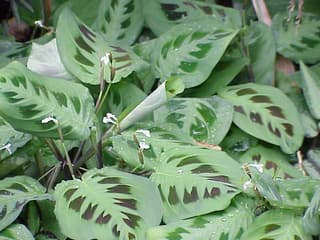
Prayer Plant
Maranta leuconeura
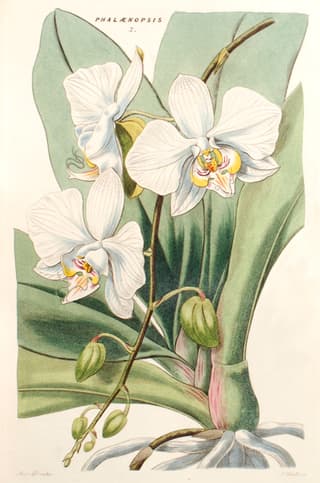
Moon Orchid
Phalaenopsis amabilis
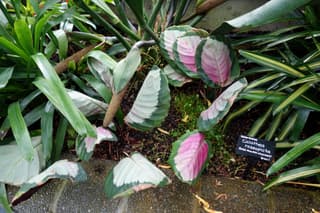
Rose Painted Calathea
Calathea roseopicta
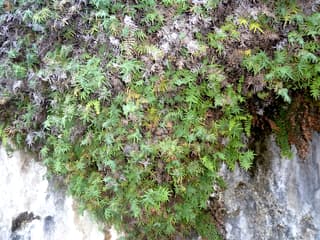
Coral Fern
Gleichenia polypodioides

Lady Palm
Rhapis excelsa
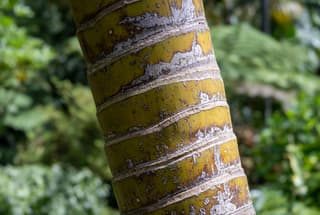
Areca Palm
Dypsis lutescens
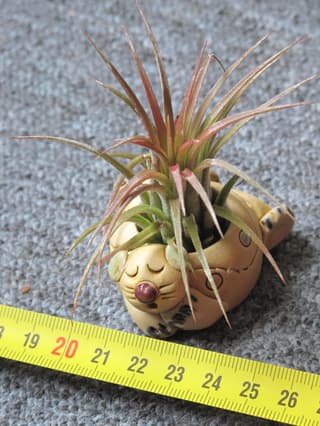
Sky Plant
Tillandsia ionantha
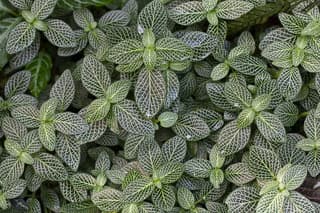
Nerve Plant
Fittonia albivenis
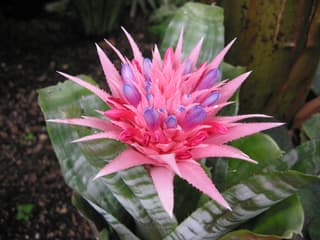
Urn Plant
Aechmea fasciata
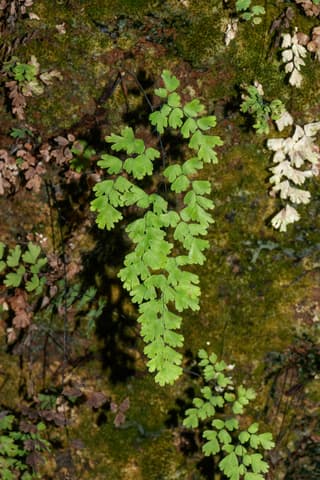
Maidenhair Fern
Adiantum capillus-veneris
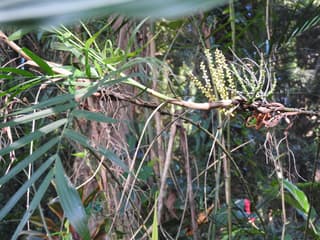
Bamboo Palm
Chamaedorea seifrizii
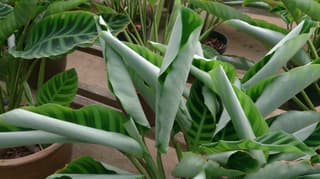
Zebra Plant
Calathea zebrina
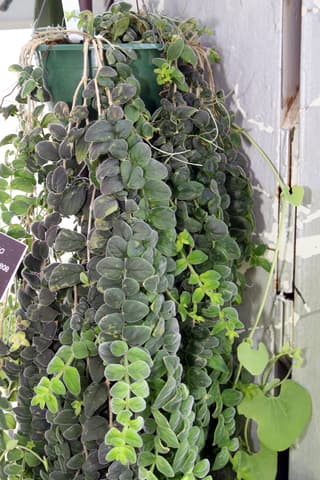
Goldfish plant
Columnea microcalyx
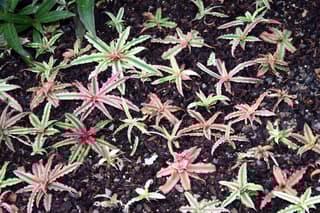
Earth Star
Cryptanthus bivittatus
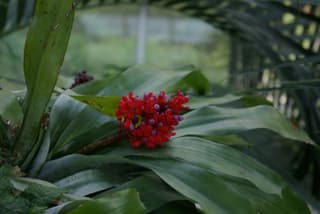
Coral Berry Bromeliad
Aechmea fulgens
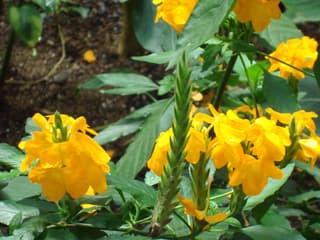
Firecracker Flower
Crossandra infundibuliformis
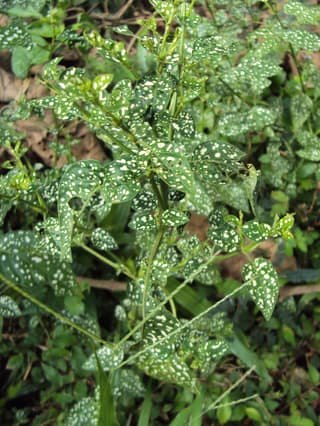
Polka Dot Plant
Hypoestes phyllostachya

Scarlet Star
Guzmania lingulata
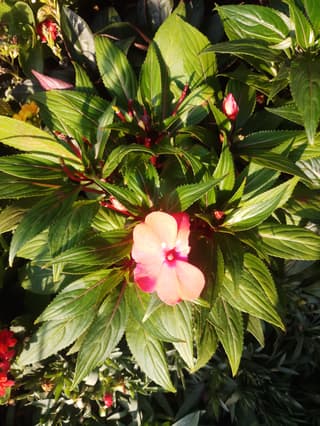
Busy Lizzie
Impatiens walleriana
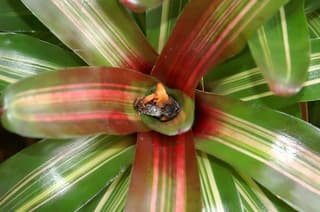
Blushing Bromeliad
Neoregelia carolinae
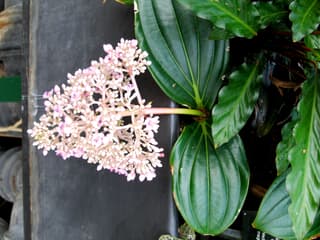
Rose Grape
Medinilla magnifica
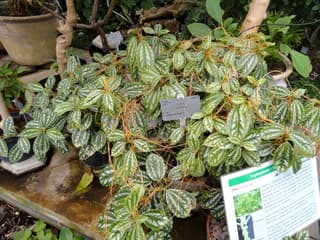
Aluminum Plant
Pilea cadierei
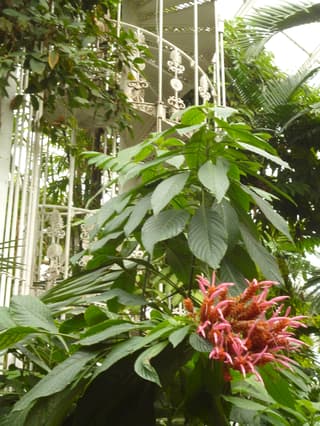
Coral Aphelandra
Aphelandra sinclairiana

Bangalow Palm
Archontophoenix cunninghamiana
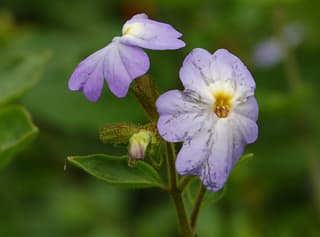
Jamaican Forget-Me-Not
Browallia americana
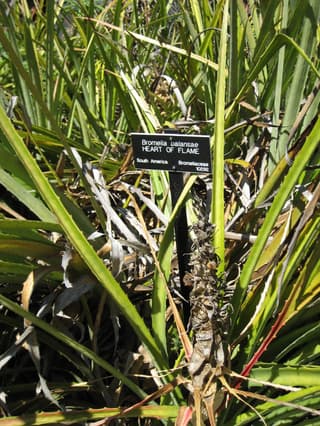
Heart of Flame
Bromelia balansae
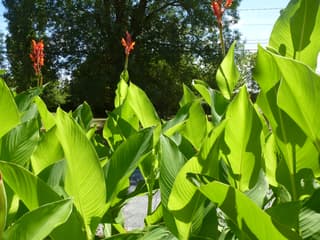
Wild Canna
Canna limbata
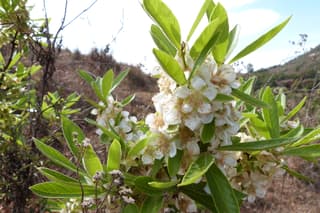
Guabiroba
Campomanesia pubescens
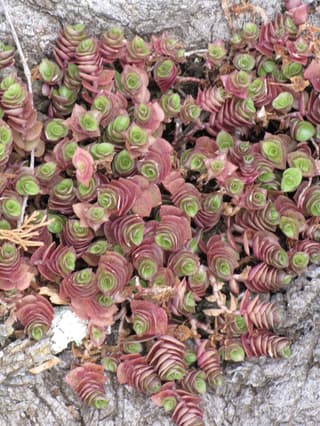
Turtle Vine
Callisia repens
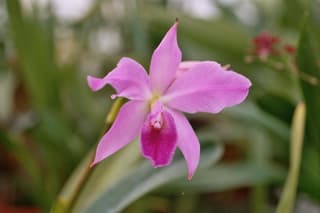
Cattleya Orchid
Cattleya spp
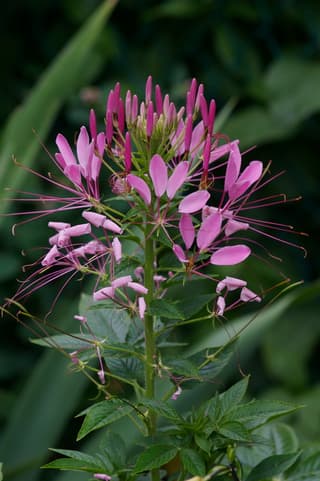
Spider Flower
Cleome hassleriana
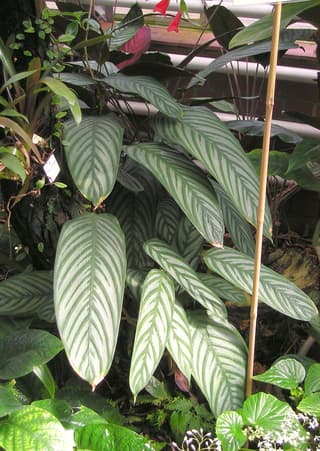
Grey Star
Ctenanthe setosa
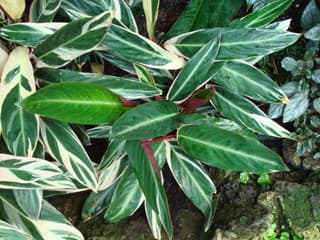
Never Never Plant
Ctenanthe oppenheimiana
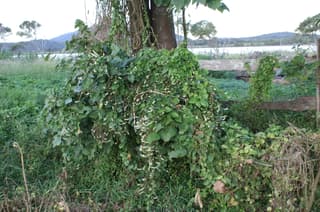
Madeira Vine
Anredera cordifolia
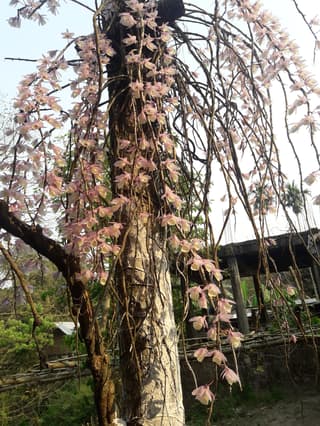
Hooded Orchid
Dendrobium aphyllum
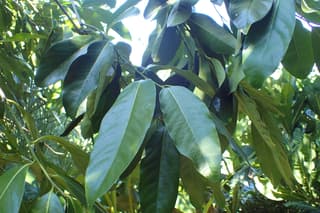
Black Sapote
Diospyros nigra
Ideal Pet Safe for Carmo do Paranaíba's Climate
Carmo do Paranaíba has an average temperature of 21.9°C and humidity of 66.4%, conditions that directly influence which pet safe best adapt to the local environment.
How to Grow Pet Safe in Carmo do Paranaíba
To successfully grow pet safe in Carmo do Paranaíba, consider that the average temperature of 21.9°C and humidity of 66.4% create a specific microclimate. Moderate humidity is favorable for most species in this category.
Advantages of Choosing Adapted Pet Safe
Pet Safe adapted to Carmo do Paranaíba's climate show greater resistance, healthy growth, and less need for interventions.