500 Best Easy Care for Dallas County | 2026 Guide - Page 6
The 500 best easy care to grow in Dallas County. Ideal climate: 20.2°C, 63.5% humidity.
500 Easy Care for Dallas County
Showing 181-216 of 500
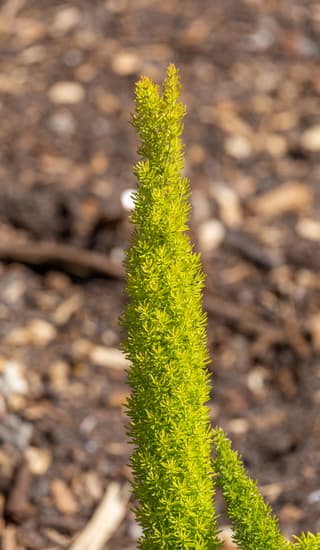
Asparagus Fern
Asparagus densiflorus
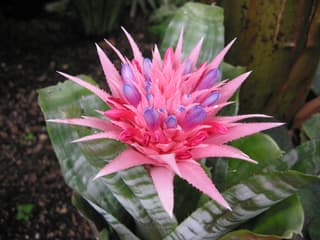
Urn Plant
Aechmea fasciata
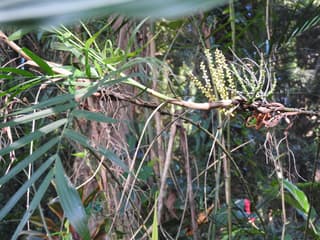
Bamboo Palm
Chamaedorea seifrizii
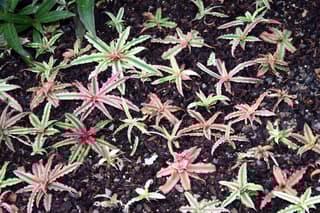
Earth Star
Cryptanthus bivittatus

Creeping Fig
Ficus pumila

Busy Lizzie
Impatiens walleriana
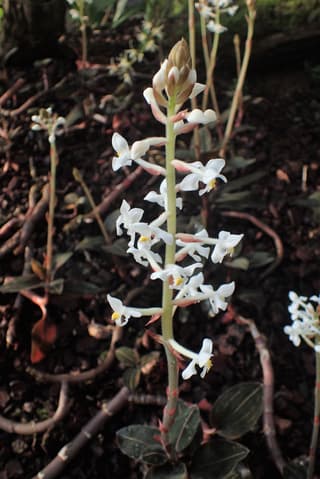
Jewel Orchid
Ludisia discolor
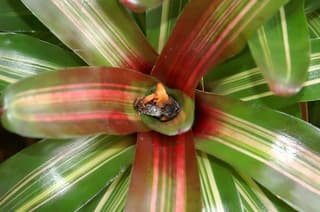
Blushing Bromeliad
Neoregelia carolinae
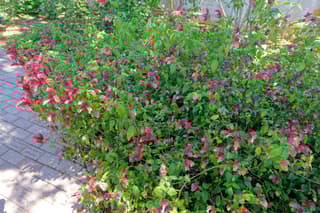
Shrimp Plant
Justicia brandegeeana
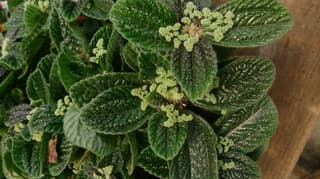
Friendship Plant
Pilea involucrata
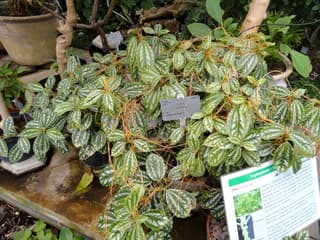
Aluminum Plant
Pilea cadierei
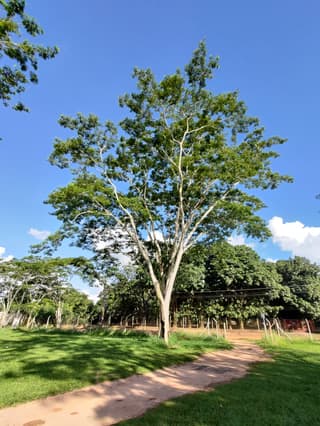
White Silk Tree
Albizia niopoides
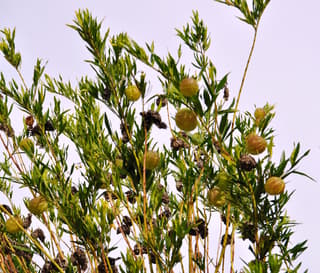
Balloon Plant
Asclepias physocarpa
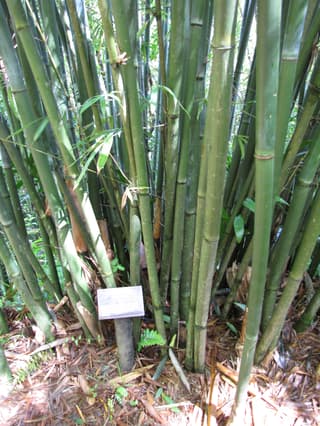
Slender Weavers Bamboo
Bambusa textilis gracili
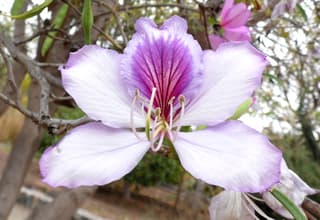
Orchid Tree
Bauhinia variegata

Wax Begonia
Begonia semperflorens

Mandarin Plant
Chlorophytum orchidastrum
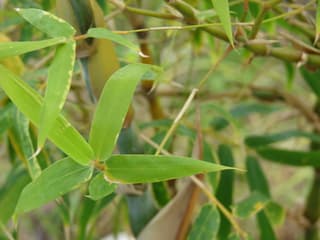
Buddha Belly Bamboo
Bambusa ventricosa

Canna Lily
Canna x generalis

Silk Floss Tree
Ceiba speciosa
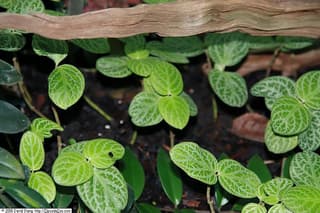
Veined Chamaeranthemum
Chamaeranthemum venosum
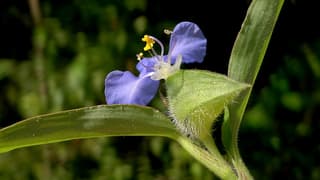
Whitemouth Dayflower
Commelina erecta
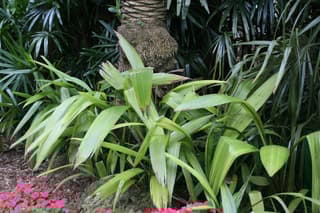
Palm Grass
Curculigo capitulata
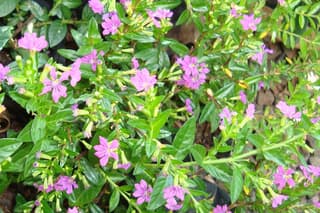
Slender Cuphea
Cuphea gracilis
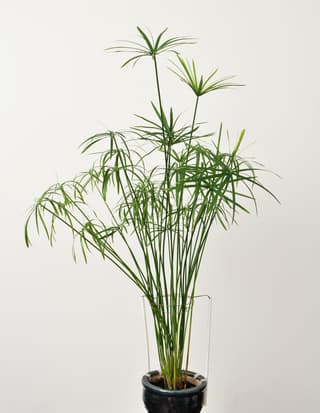
Umbrella Papyrus
Cyperus alternifolius
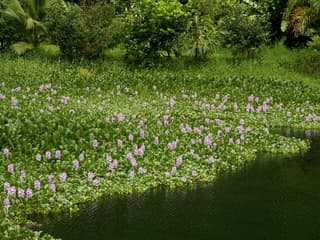
Water Hyacinth
Eichhornia crassipes

Roxburgh Fig
Ficus auriculata
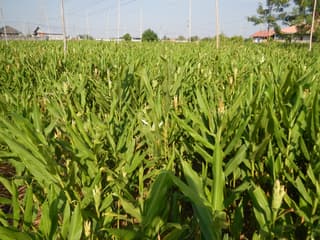
White Ginger Lily
Hedychium coronarium
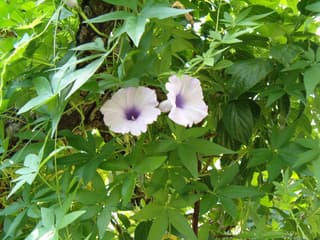
Mile-a-minute vine
Ipomoea cairica

New Guinea Impatiens
Impatiens hawkeri
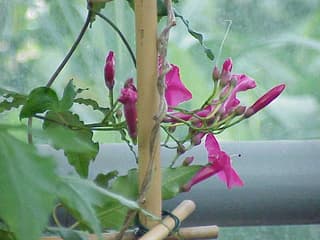
Cardinal Creeper
Ipomoea horsfalliae
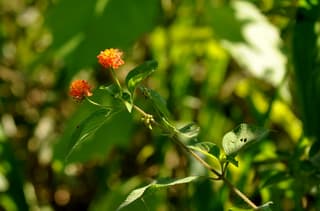
Common Lantana
Lantana camara
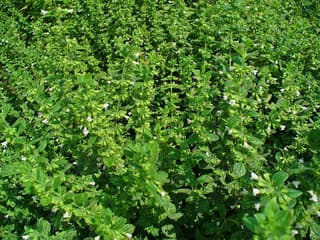
Lemon Balm
Melissa officinalis
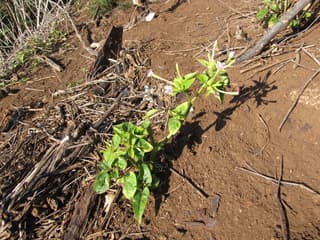
Four O'Clock Flower
Mirabilis jalapa
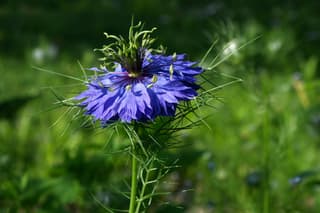
Love-in-a-mist
Nigella damascena
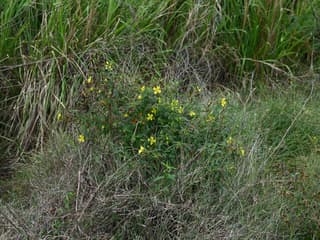
Mexican Primrose-Willow
Ludwigia octovalvis
Ideal Easy Care for Dallas County's Climate
Dallas County has an average temperature of 20.2°C and humidity of 63.5%, conditions that directly influence which easy care best adapt to the local environment.
How to Grow Easy Care in Dallas County
To successfully grow easy care in Dallas County, consider that the average temperature of 20.2°C and humidity of 63.5% create a specific microclimate. Moderate humidity is favorable for most species in this category.
Advantages of Choosing Adapted Easy Care
Easy Care adapted to Dallas County's climate show greater resistance, healthy growth, and less need for interventions.