500 Best Plants for Hobbs | 2026 Guide - Page 9
Discover the 500 ideal plants for Hobbs's climate. Average temp: 18.2°C, Humidity: 42.2%.
Top 500 Plants for Hobbs
Showing 289-324 of 500
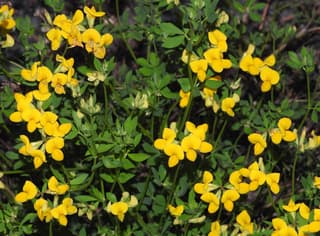
Bird's-Foot Trefoil
Lotus
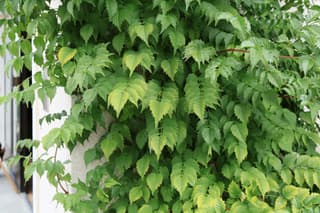
Trumpet Vine
Campsis × tagliabuana
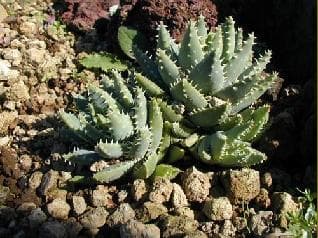
Short-Leaved Aloe
Aloe brevifolia
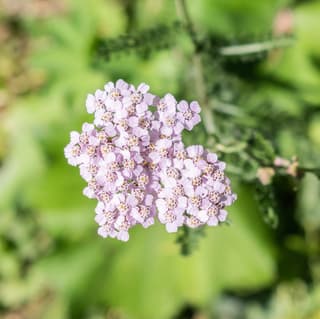
Yarrow
Achillea
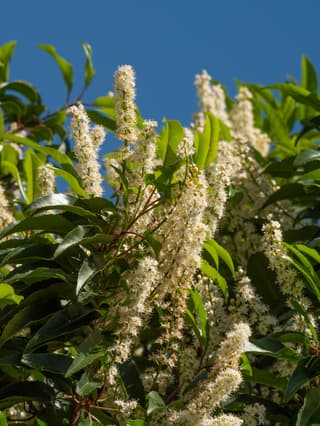
Portuguese Laurel
Prunus lusitanica
Black Felt Lichen
Placynthium nigrum
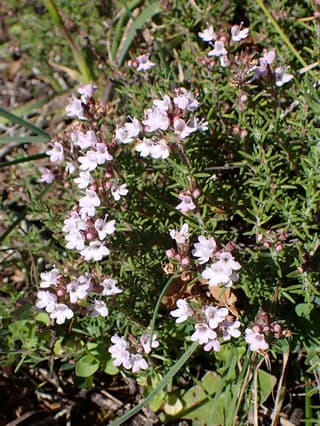
Spanish Thyme
Thymus zygis
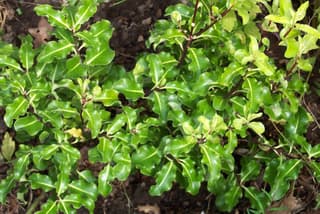
Kohuhu
Pittosporum tenuifolium
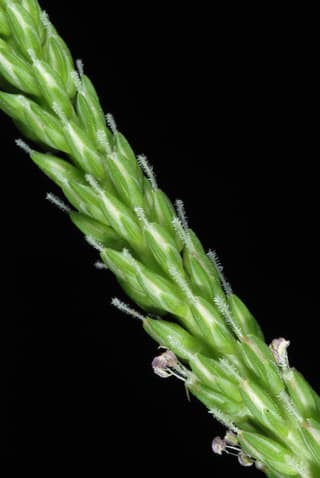
Blackseed Plantain
Plantago rugelii
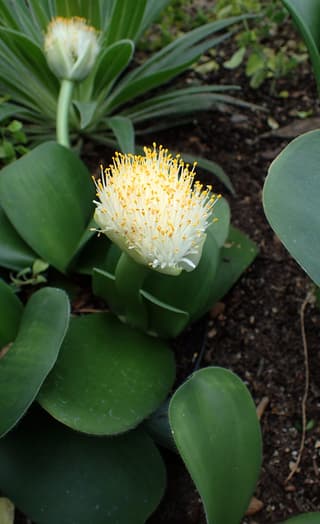
Blood Lily
Haemanthus
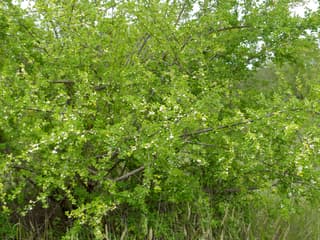
White-Berry Bush
Flueggea virosa
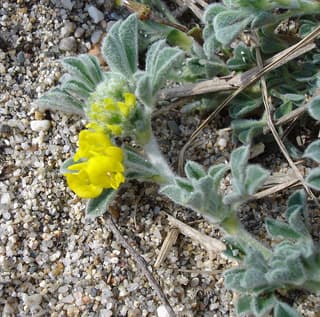
Medick
Medicago
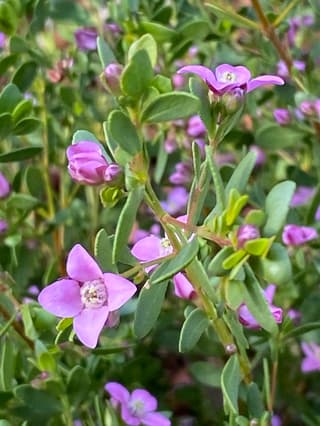
Aniseed Boronia
Boronia crenulata
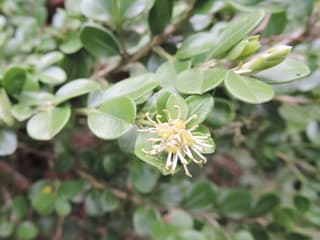
Japanese Boxwood
Buxus microphylla
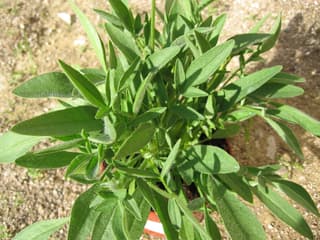
Large-flowered Tickseed
Coreopsis grandiflora
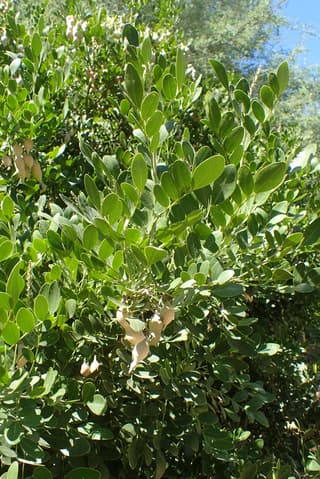
Texas mountain laurel
Dermatophyllum secundiflorum
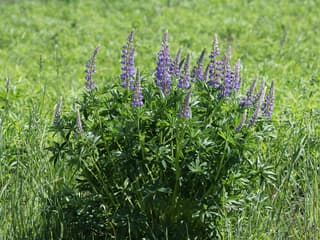
Perennial Lupine
Lupinus polyphyllus
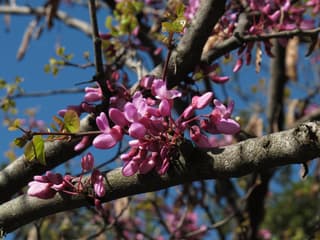
Judas tree
Cercis siliquastrum
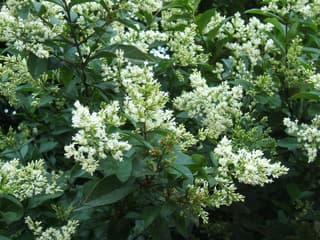
California Privet
Ligustrum ovalifolium
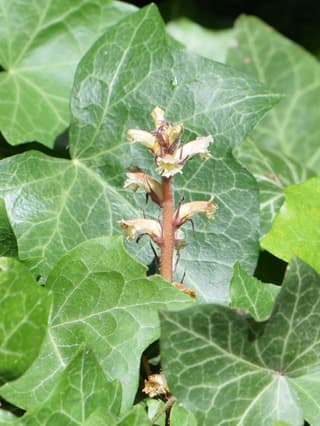
Ivy Broomrape
Orobanche hederae
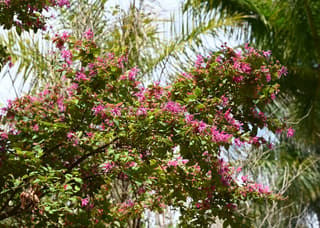
Chinese Fringe Flower
Loropetalum chinense
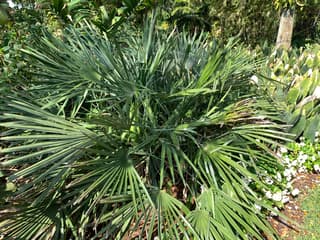
Needle Palm
Rhapidophyllum hystrix
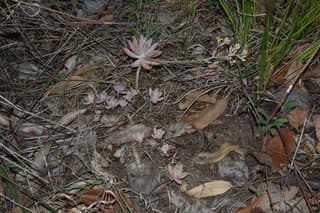
Graptosedum Ghosty
Graptosedum 'Ghosty'
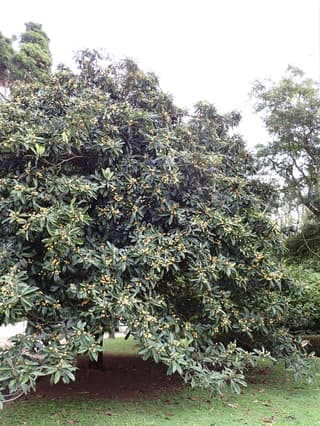
Loquat
Rhaphiolepis bibas
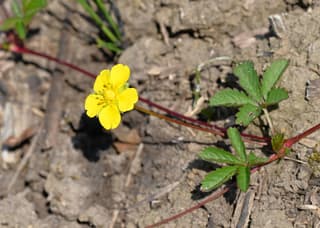
Creeping Cinquefoil
Potentilla reptans
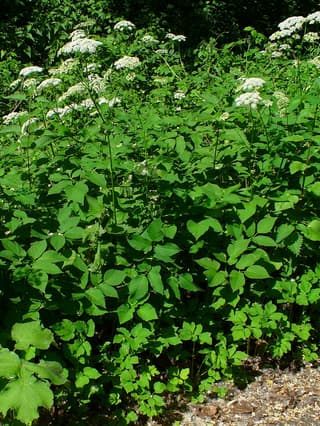
Ground elder
Aegopodium podagraria
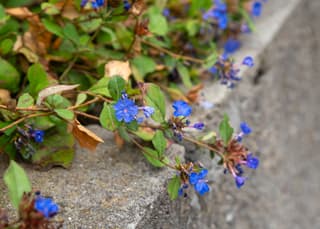
Hardy Plumbago
Ceratostigma plumbaginoides
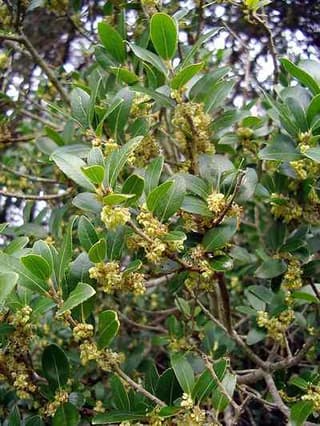
Green Olive Tree
Phillyrea latifolia
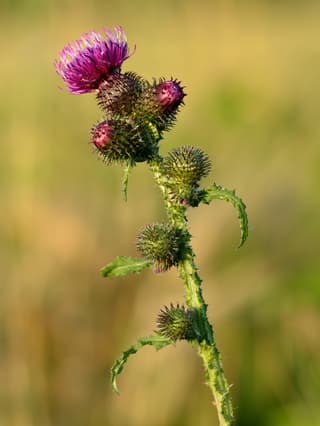
Thistle
Carduus
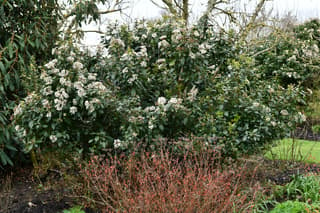
Laurustinus
Viburnum tinus
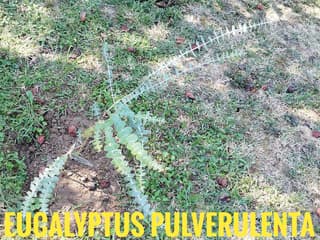
Silver-leaved Mountain Gum
Eucalyptus pulverulenta
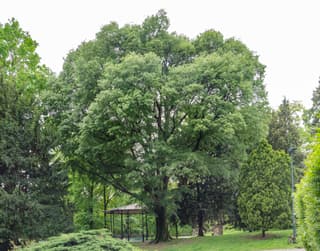
European Nettle Tree
Celtis australis
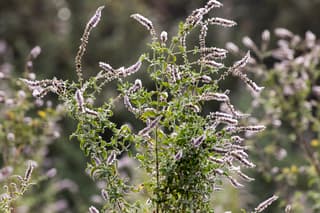
Horse Mint
Mentha longifolia
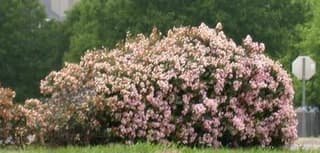
Indian Hawthorn
Rhaphiolepis indica
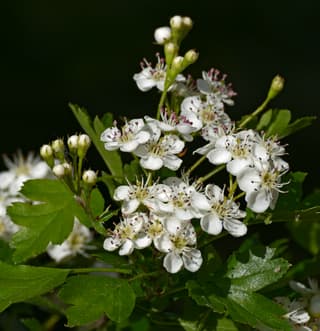
Common Hawthorn
Crataegus monogyna
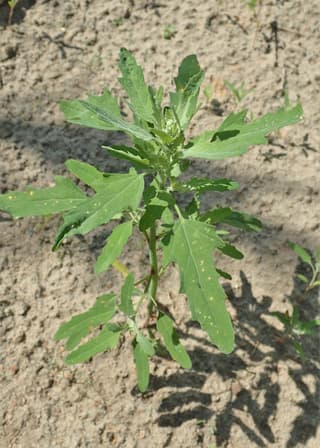
Fig-leaved Goosefoot
Chenopodium ficifolium
Hobbs Climate for Plant Growing
Hobbs has a climate with an average annual temperature of 18.2°C and average relative humidity of 42.2%. These climate conditions are ideal for various species of ornamental and fruit plants.
Tips for Growing Plants in Hobbs
To succeed in growing plants in Hobbs, consider the average temperature of 18.2°C when choosing your species. The temperate climate allows you to grow a wide variety of species. Water more frequently due to low humidity.
Why Choose Plants Adapted to the Local Climate?
Plants adapted to Hobbs's climate require less care, consume less water, and are more likely to thrive. Our selection considers the compatibility between each species' needs and local climate conditions, including temperature (18.2°C) and humidity (42.2%).