302 Best Succulents for Lee's Summit | 2026 Guide - Page 4
The 302 best succulents to grow in Lee's Summit. Ideal climate: 14.1°C, 66.6% humidity.
302 Succulents for Lee's Summit
Showing 109-144 of 302
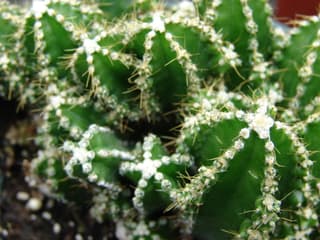
Giant Peruvian Cereus
Cereus peruvianus
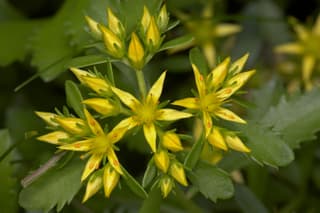
Orange Stonecrop
Sedum kamtschaticum
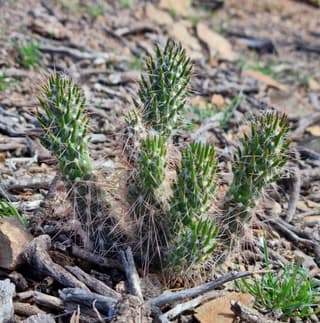
Old Man of the Andes
Austrocylindropuntia vestita
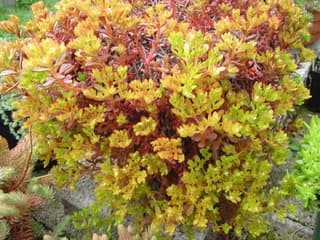
Japanese Stonecrop
Sedum makinoi
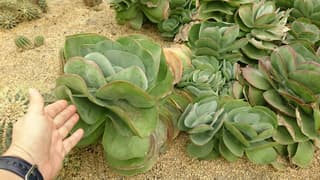
Flapjack Plant
Kalanchoe luciae
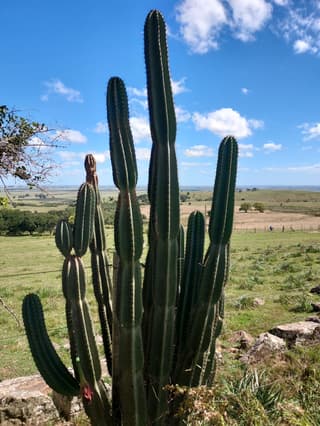
Cereus / Hedge Cactus (genus)
Cereus
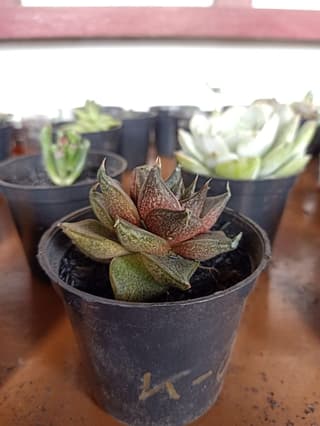
Purpus's Echeveria
Echeveria purpusorum
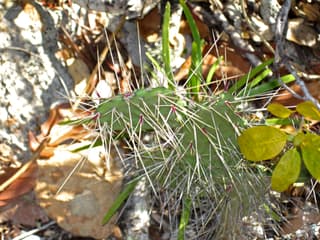
Sweet Prickly Pear
Opuntia dillenii
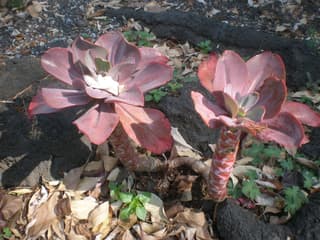
Carnival Echeveria
Echeveria gibbiflora
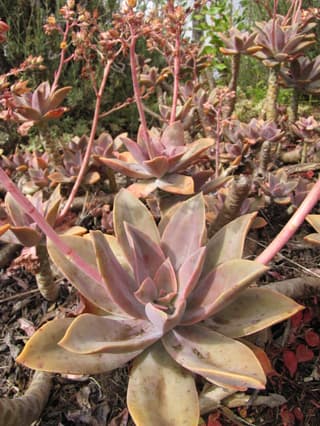
Graptoveria Ellen
Graptoveria 'Ellen'
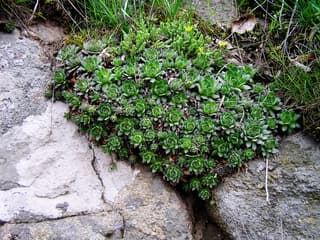
Russian Houseleek
Sempervivum ruthenicum
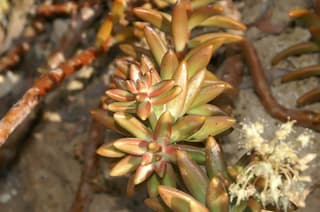
Coppertone Stonecrop
Sedum nussbaumerianum
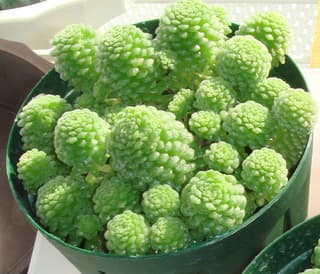
Monanthes polyphylla
Monanthes polyphylla
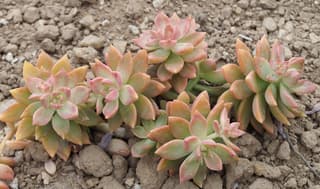
California Sunset
Graptosedum 'California Sunset'

Blue Spruce Stonecrop
Sedum reflexum

Chilean Corkscrew Cactus
Eulychnia castanea
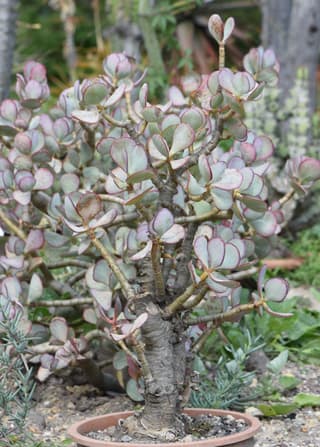
Silver Jade Plant
Crassula arborescens
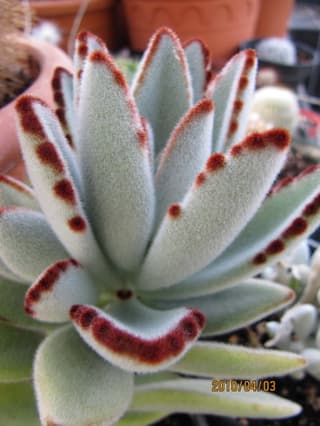
Panda Plant
Kalanchoe tomentosa
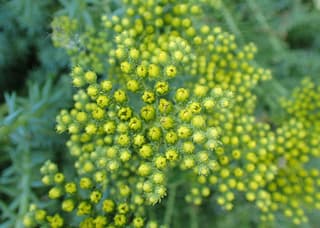
Stonecrop
Petrosedum

Chalk Dudleya
Dudleya pulverulenta
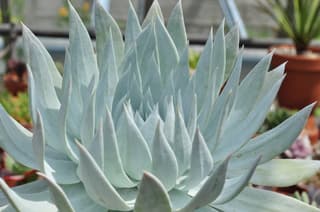
Liveforever
Dudleya
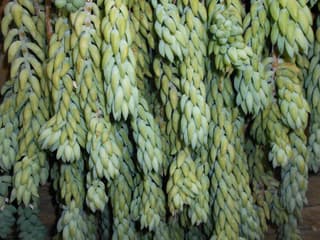
Burro's Tail
Sedum morganianum
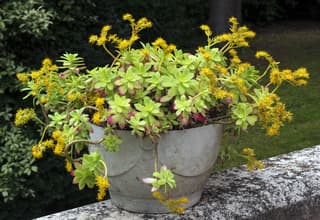
Pacific Stonecrop
Sedum spathulifolium

Black Echeveria
Echeveria affinis
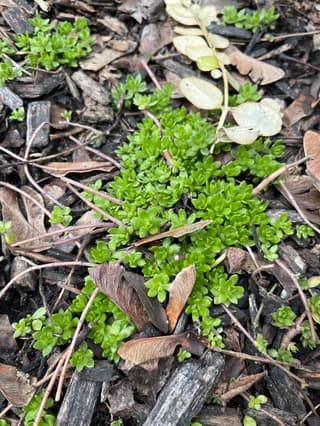
Stringy Stonecrop
Sedum sarmentosum
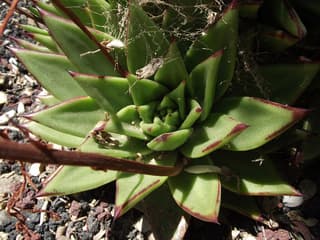
Lipstick Echeveria
Echeveria agavoides
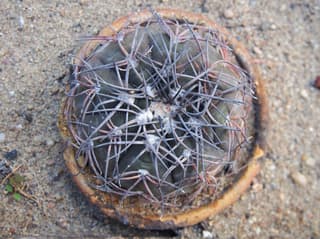
Pflanz's Chin Cactus
Gymnocalycium pflanzii
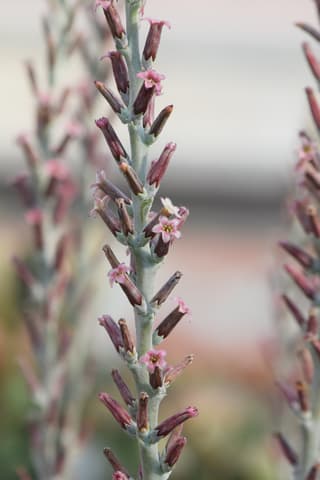
Plover Eggs Plant
Adromischus cooperi

Corsican Stonecrop
Sedum dasyphyllum
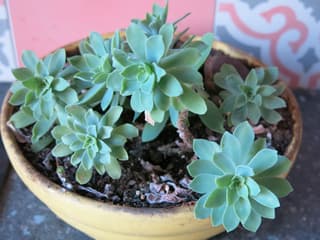
Aeonium
Aeonium
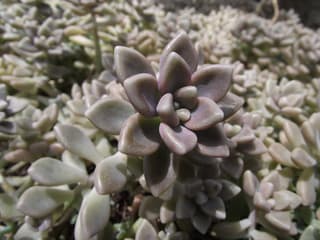
Marbled Succulent
Sedum mendozae
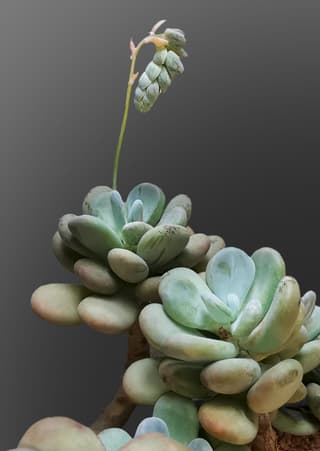
Moonstones
Pachyphytum
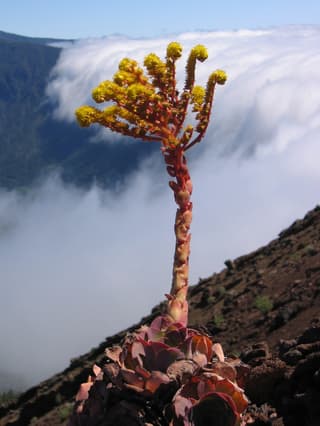
Canary Island Rose
Aeonium aureum
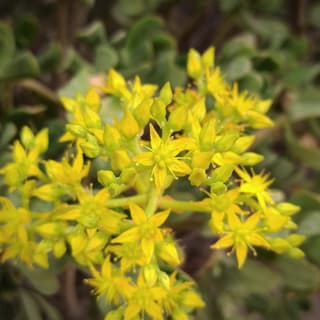
Tree Stonecrop
Sedum dendroideum
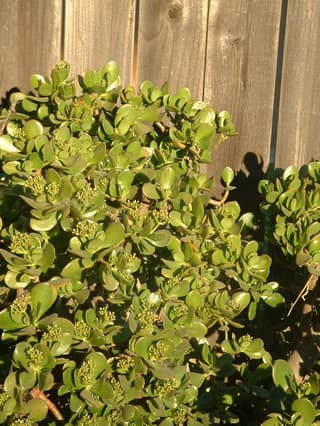
Jade Plant
Crassula ovata
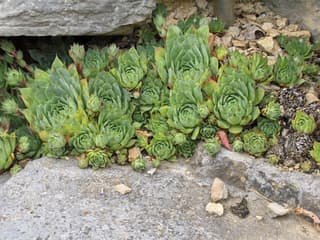
Common Houseleek
Sempervivum tectorum
Ideal Succulents for Lee's Summit's Climate
Lee's Summit has an average temperature of 14.1°C and humidity of 66.6%, conditions that directly influence which succulents best adapt to the local environment.
How to Grow Succulents in Lee's Summit
To successfully grow succulents in Lee's Summit, consider that the average temperature of 14.1°C and humidity of 66.6% create a specific microclimate. Moderate humidity is favorable for most species in this category.
Advantages of Choosing Adapted Succulents
Succulents adapted to Lee's Summit's climate show greater resistance, healthy growth, and less need for interventions.