500 Best Plants for Reeves County | 2026 Guide - Page 3
Discover the 500 ideal plants for Reeves County's climate. Average temp: 21.5°C, Humidity: 37.8%.
Top 500 Plants for Reeves County
Showing 73-108 of 500
Brazilian Ironweed
Vernonanthura polyanthes
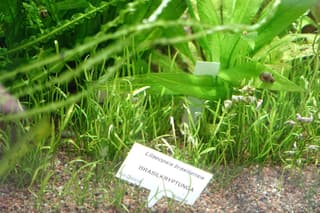
Micro Sword
Lilaeopsis brasiliensis
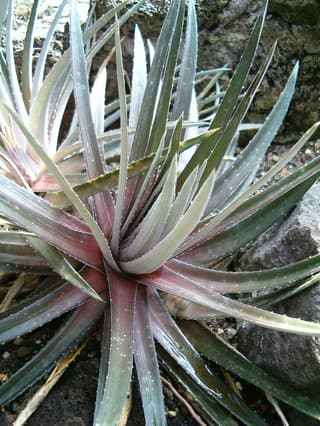
Dyckia
Dyckia

Chilean Cacti
Eriosyce
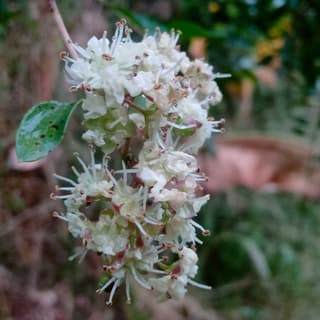
Henna
Lawsonia inermis
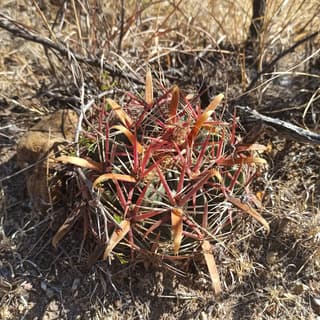
Devils Tongue Cactus
Ferocactus latispinus
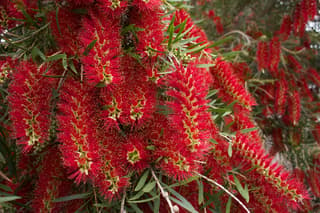
Weeping Bottlebrush
Melaleuca viminalis
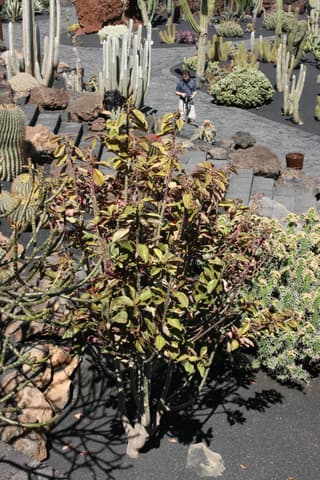
Green African Milk Bush
Euphorbia bicompacta
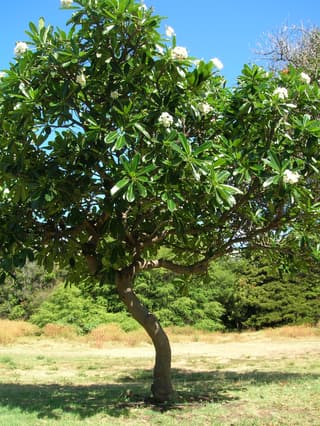
Singapore Graveyard Flower
Plumeria obtusa
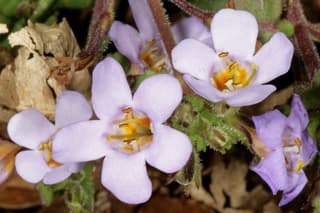
Bacopa
Chaenostoma cordatum
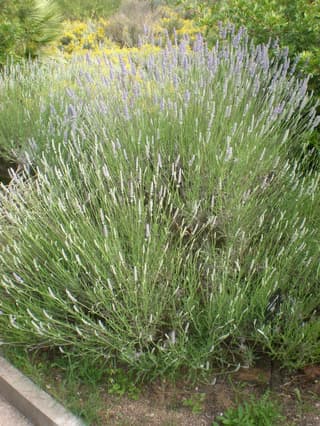
Lavandin
Lavandula x intermedia
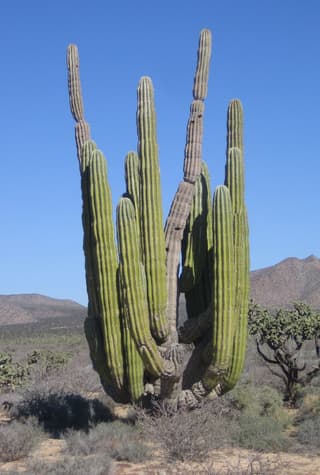
Mexican giant cardón
Pachycereus pringlei
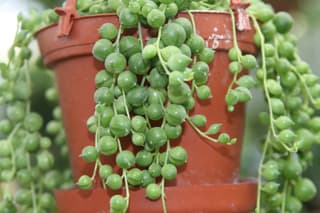
String of Watermelons
Curio herreanus
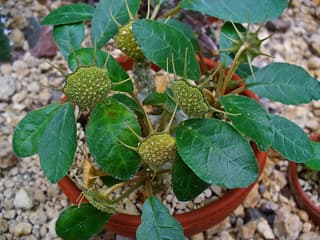
Shield Flower
Dorstenia
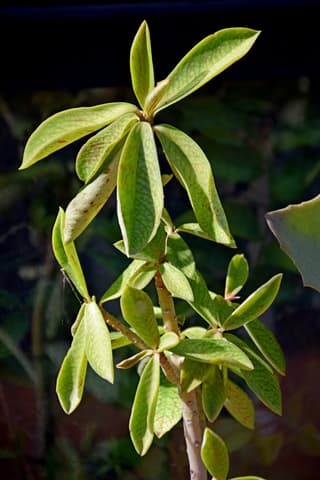
African Milk Bush
Euphorbia umbellata
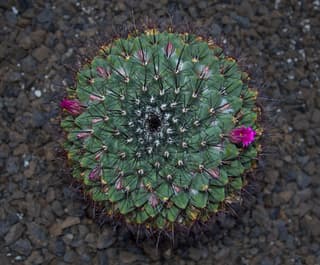
Saltillo Pincushion Cactus
Mammillaria winterae
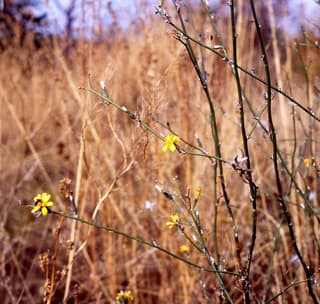
Rush skeletonweed
Chondrilla juncea
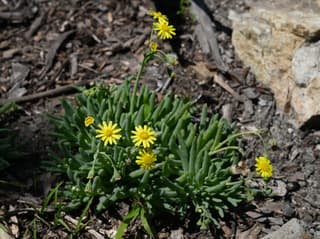
Little Pickles
Crassothonna capensis
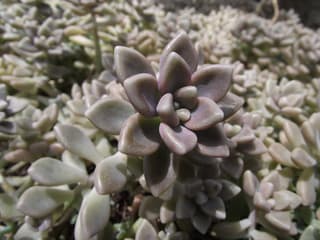
Marbled Succulent
Sedum mendozae
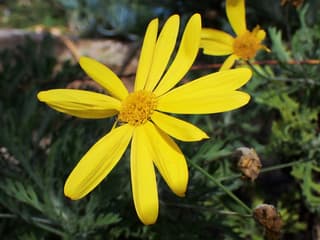
Gray-leaved Euryops
Euryops pectinatus
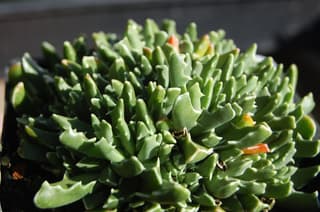
Tiger's Jaws
Faucaria bosscheana
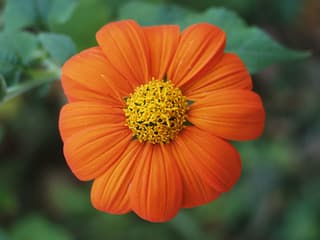
Mexican Sunflower
Tithonia

Chalk Dudleya
Dudleya pulverulenta
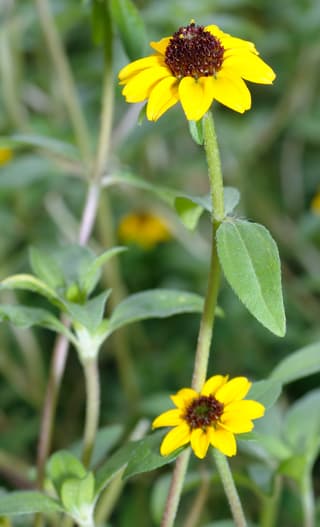
Creeping Zinnia
Sanvitalia procumbens
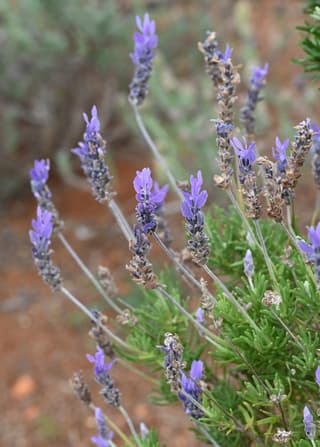
French Lavender
Lavandula dentata
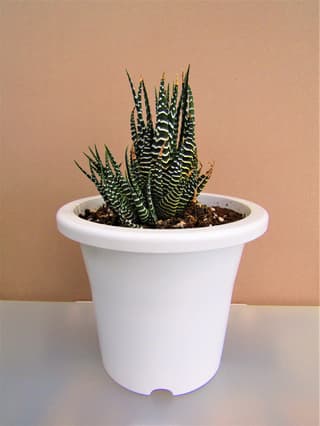
Haworthiopsis (genus)
Haworthiopsis
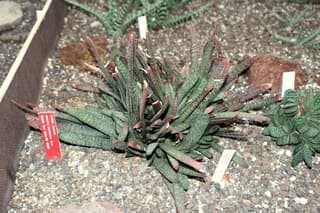
Gasteria (genus)
Gasteria
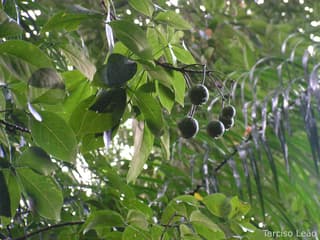
Garlic Pear
Crateva tapia
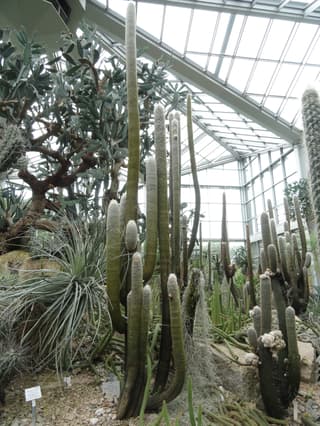
Old Man Cactus
Espostoa lanata
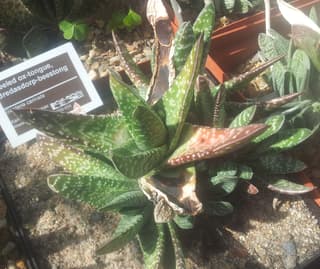
Bredasdorp Gasteria
Gasteria carinata
Verschaffelt Tephrocactus
Tephrocactus verschaffeltii
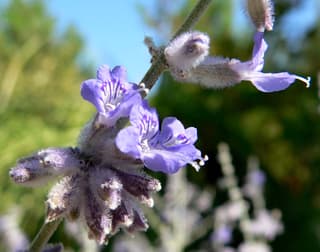
Russian Sage
Perovskia atriplicifolia
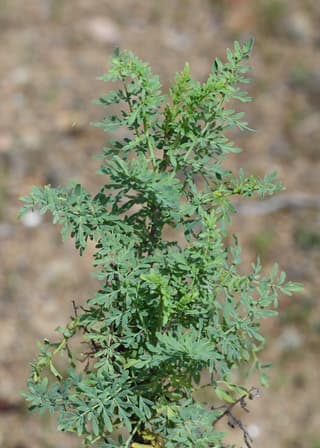
Fringed Rue
Ruta chalepensis
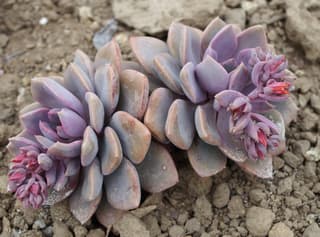
Graptoveria
× Graptoveria
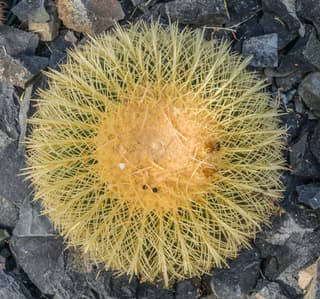
Golden Barrel Cactus
Kroenleinia grusonii
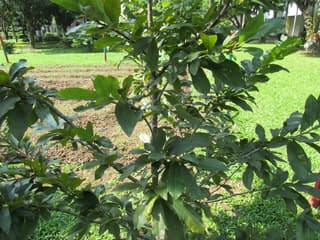
Pistachio
Pistacia
Reeves County Climate for Plant Growing
Reeves County has a climate with an average annual temperature of 21.5°C and average relative humidity of 37.8%. These climate conditions are ideal for various species of ornamental and fruit plants.
Tips for Growing Plants in Reeves County
To succeed in growing plants in Reeves County, consider the average temperature of 21.5°C when choosing your species. The temperate climate allows you to grow a wide variety of species. Water more frequently due to low humidity.
Why Choose Plants Adapted to the Local Climate?
Plants adapted to Reeves County's climate require less care, consume less water, and are more likely to thrive. Our selection considers the compatibility between each species' needs and local climate conditions, including temperature (21.5°C) and humidity (37.8%).