500 Best Pet Safe for Seminole County | 2026 Guide - Page 13
The 500 best pet safe to grow in Seminole County. Ideal climate: 22.8°C, 77% humidity.
500 Pet Safe for Seminole County
Showing 433-468 of 500
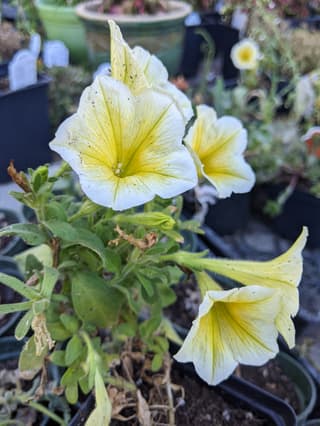
Garden Petunia
Petunia x hybrida
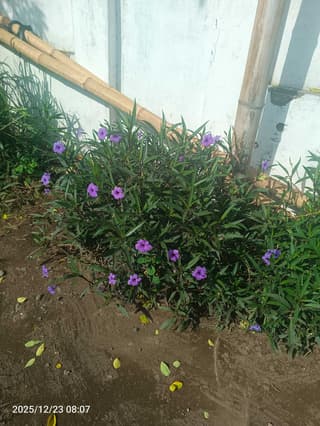
Wild Petunia
Ruellia
Porcini and Allies
Boletus
Red-cracking Bolete
Xerocomellus chrysenteron
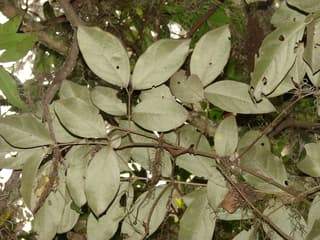
Peanut Butter Fruit Tree
Bunchosia argentea
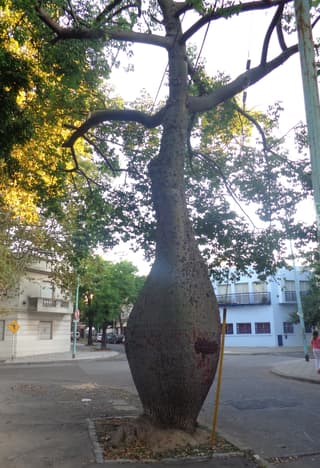
Silk Floss Tree
Ceiba speciosa
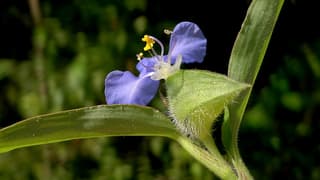
Whitemouth Dayflower
Commelina erecta
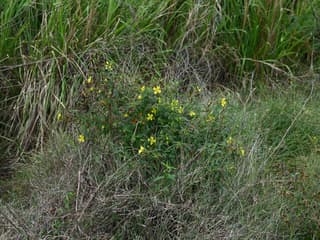
Mexican Primrose-Willow
Ludwigia octovalvis
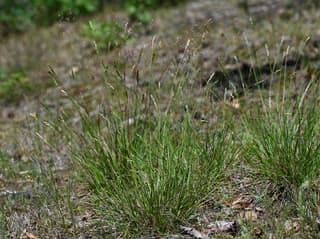
Heath-grass
Danthonia decumbens
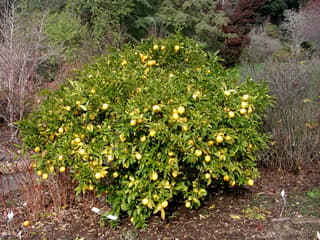
Lemon
Citrus limon
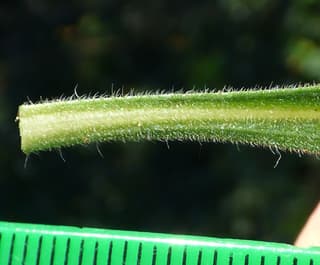
Guernsey Fleabane
Erigeron sumatrensis
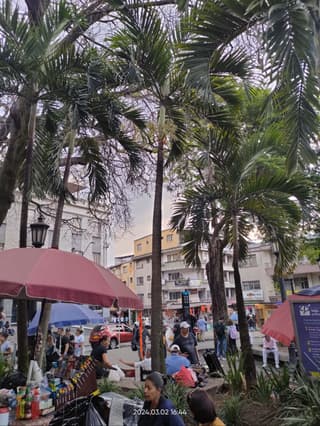
Areca palm
Chrysalidocarpus lutescens
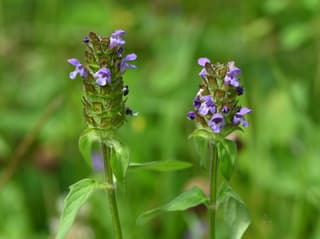
Self-Heal
Prunella vulgaris
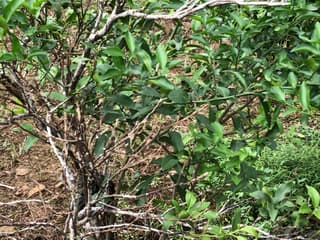
Kumquat
Citrus japonica
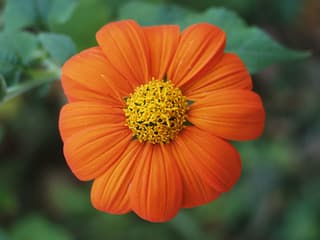
Mexican Sunflower
Tithonia
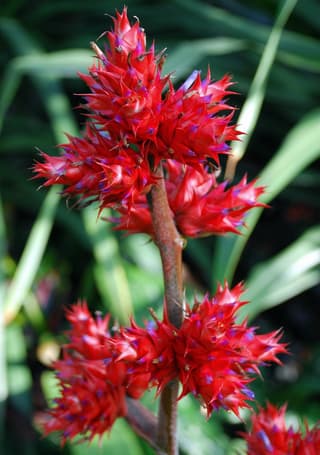
Hohenbergia
Hohenbergia
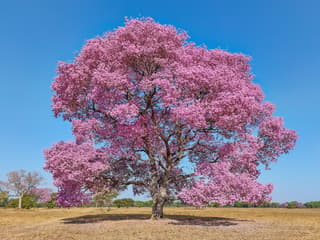
Trumpet Tree
Handroanthus
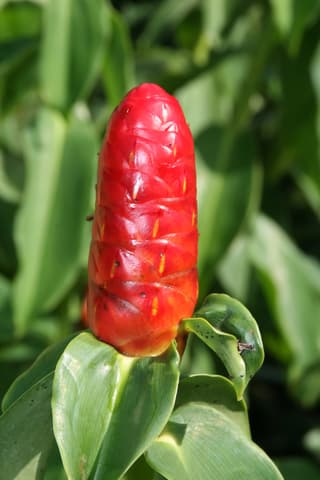
Red Button Ginger
Costus woodsonii
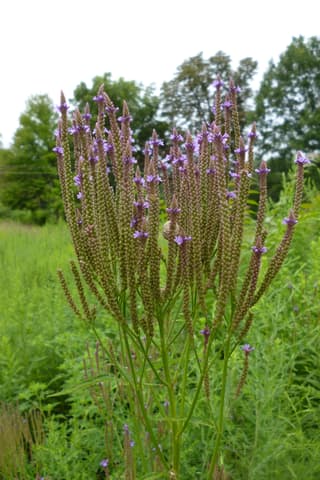
Blue Vervain
Verbena hastata
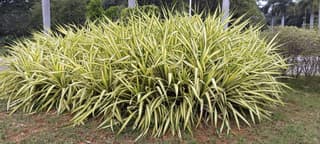
Screw Pine
Pandanus
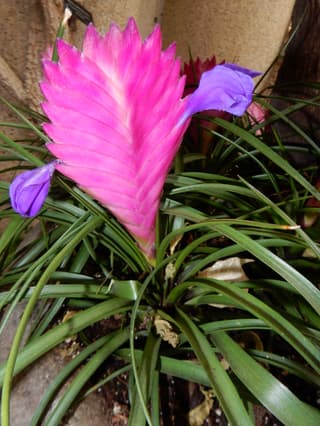
Pink quill
Wallisia cyanea
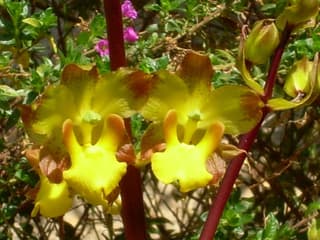
Cowhorn orchid
Cyrtopodium
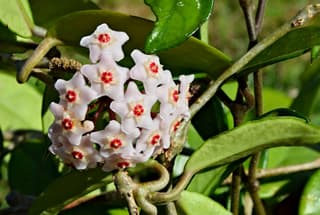
Wax Plant
Hoya carnosa
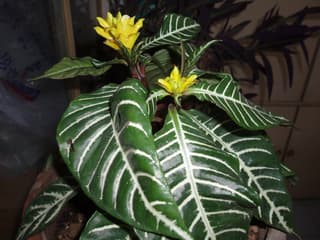
Zebra Plant
Aphelandra squarrosa
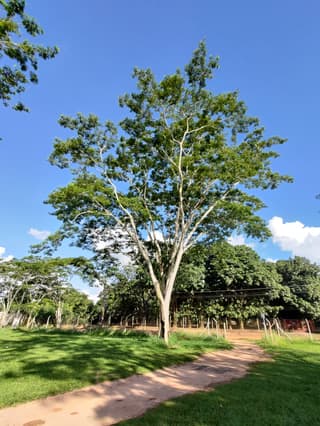
White Silk Tree
Albizia niopoides
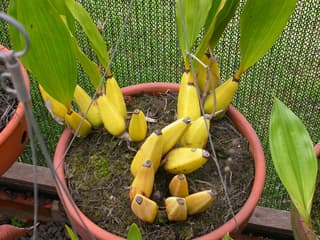
Harrison's Bifrenaria
Bifrenaria harrisoniae
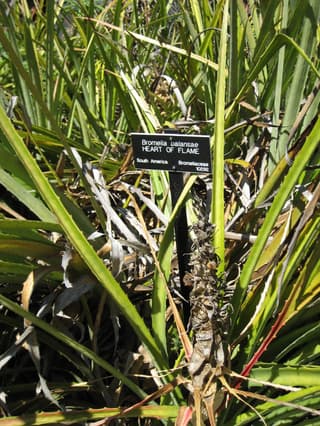
Heart of Flame
Bromelia balansae
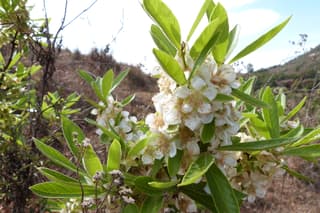
Guabiroba
Campomanesia pubescens
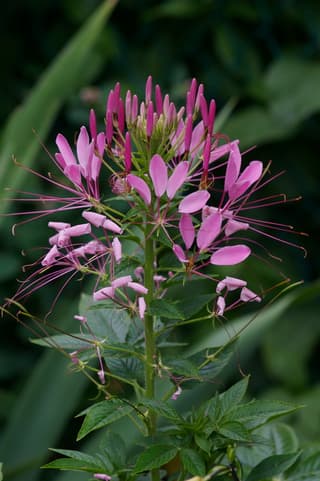
Spider Flower
Cleome hassleriana
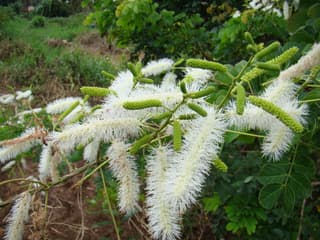
Sabia Mimosa
Mimosa caesalpiniifolia
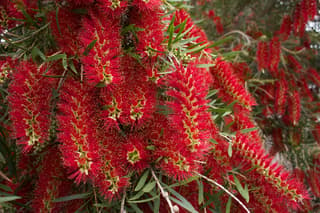
Weeping Bottlebrush
Melaleuca viminalis
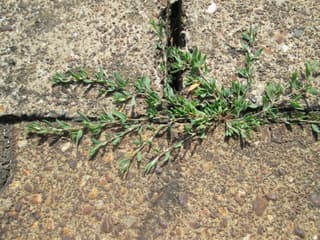
Oval-leaf Knotweed
Polygonum arenastrum
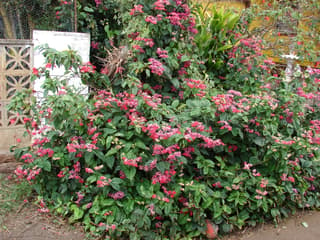
Red Bleeding Heart Vine
Clerodendrum × speciosum
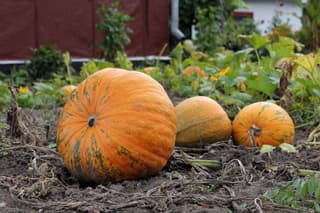
Squash
Cucurbita
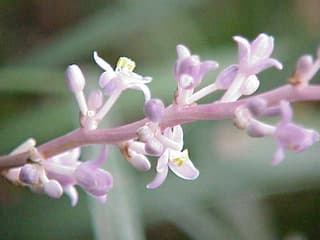
White Lilyturf
Ophiopogon jaburan
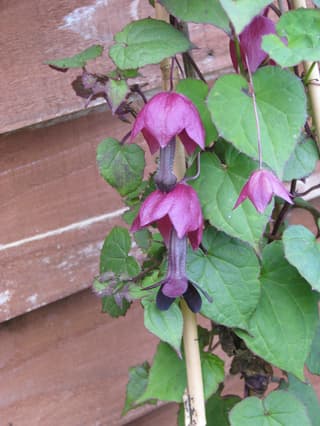
Purple Bells
Rhodochiton atrosanguineus
Ideal Pet Safe for Seminole County's Climate
Seminole County has an average temperature of 22.8°C and humidity of 77%, conditions that directly influence which pet safe best adapt to the local environment.
How to Grow Pet Safe in Seminole County
To successfully grow pet safe in Seminole County, consider that the average temperature of 22.8°C and humidity of 77% create a specific microclimate. High humidity favors tropical species, but requires attention to ventilation to prevent fungal issues.
Advantages of Choosing Adapted Pet Safe
Pet Safe adapted to Seminole County's climate show greater resistance, healthy growth, and less need for interventions.