Asteraceae
Indian Blanket (Gaillardia pulchella)
Gaillardia pulchella
Plant Indian Blanket in full sun with well-draining, lean soil. It tolerates drought once established and rarely needs fertilizer - rich soil produces more foliage and fewer blooms. Deadhead spent flowers to prolong blooming and let seed heads mature at season's end for self-sowing.
Every 10 days
Direct sun
10° - 35°C
% - %
Categories
What is Indian Blanket?
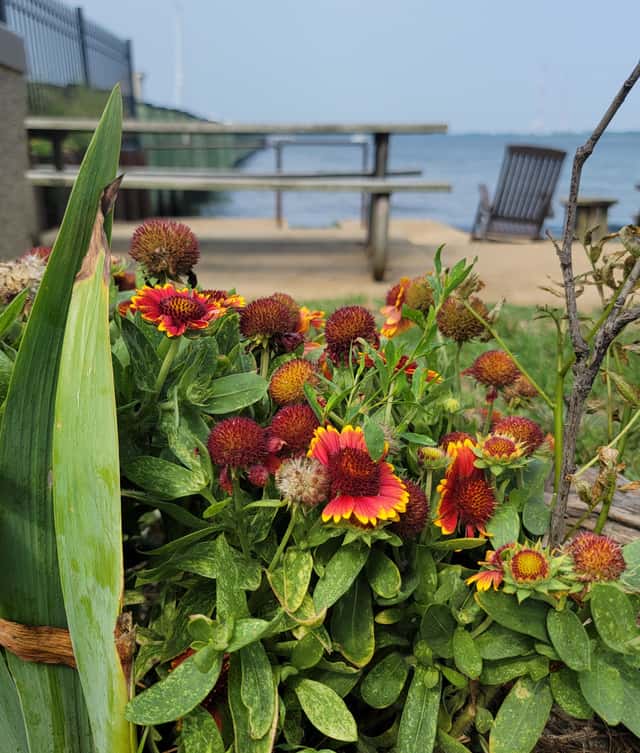
Indian Blanket (Gaillardia pulchella) is a easy-care plant from the Asteraceae family. Gaillardia pulchella, commonly called Indian Blanket or Firewheel, is a fast-growing annual (sometimes short-lived perennial) wildflower native to the central and southern United States and Mexico. Its daisy-like flower heads display concentric rings of red, orange, and yellow, resembling the patter...
Indian Blanket grows up to 60cm, spread of 30cm, watering every 10 days, 10°C – 35°C. It is not suitable for indoor environments and safe for pets.
Unlike many tropical plants, Indian Blanket tolerates watering mistakes. Best for beginners. Unlike many popular species, Indian Blanket is safe to keep around pets.
How to Care for Indian Blanket?
TLDR: Indian Blanket needs Direct sun, watering every 10 days, and temperatures between 10-35°C with 40-70% humidity.
How Often Should You Water Indian Blanket?
Water deeply but infrequently, allowing the soil to dry between waterings; established plants are highly drought tolerant and overwatering risks root rot.
How Much Light Does Indian Blanket Need?
Give at least 6 hours of direct sun daily; in shade the plant grows leggy and flowers sparsely.
What Is the Best Soil for Indian Blanket?
Use sandy, well-draining soil with a slightly acidic to neutral pH (5.5-7.0); avoid rich, heavily amended soil.
What Pot Should You Use for Indian Blanket?
If containerized, use a wide, shallow terracotta pot with ample drainage holes to mimic its native sandy, well-drained habitat.
What Is Indian Blanket and Where Does It Come From?
Gaillardia pulchella, commonly called Indian Blanket or Firewheel, is a fast-growing annual (sometimes short-lived perennial) wildflower native to the central and southern United States and Mexico. Its daisy-like flower heads display concentric rings of red, orange, and yellow, resembling the patterned blankets woven by Native American peoples. Reaching 30-60 cm tall, it thrives in poor, sandy soils and blooms from summer through the first frost, attracting butterflies and pollinators.
How to Propagate Indian Blanket?
Seed Sowing
Seeds germinate best with light exposure, so avoid burying them deeply. Plants often self-sow readily in following seasons.
- 1 Direct sow seeds outdoors after the last frost, or start indoors 6-8 weeks earlier
- 2 Press seeds lightly into well-draining soil; they need light to germinate
- 3 Keep soil lightly moist until germination
- 4 Thin seedlings to 20-30 cm apart once established
Materials needed:
Root Division
Division works best on multi-year clumps; single-season annual plants are usually propagated by seed instead.
- 1 Dig up an established clump in early spring
- 2 Separate the root ball into sections, each with roots and shoots
- 3 Replant divisions immediately in well-draining soil
- 4 Water thoroughly after planting
Materials needed:
How Big Does Indian Blanket Grow?
TLDR: Indian Blanket can reach up to 60cm tall with Fast growth rate.
Max height
60cm
Spread
30cm
Growth rate
Fast
Foliage
Deciduous
Plant Uses
Ornamental
Great for decoration
Medicinal
Medicinal properties
Medicinal Uses
- Traditionally used by Kiowa peoples as a tea for gastrointestinal complaints
- Applied topically for sunburn and minor skin irritation
- Used as soothing nasal drops and eye rinses in folk medicine
Is your plant showing symptoms?
Click on the symptom to discover possible causes:
What Diseases Commonly Affect Indian Blanket?
TLDR: Indian Blanket is susceptible to 7 known diseases. Monitor regularly for early detection.
Powdery Mildew
Powdery mildew is a common fungal disease caused by various fungi species including Erysiphe, Podosphaera, Oïdium, and Leveillula. It affects over 10,000 plant species worldwide. The disease thrives in warm, dry climates with high humidity and appears as a distinctive white powdery coating on plant surfaces.
Leaf Spot
Leaf spot is a common fungal disease caused by various pathogens including Alternaria, Ascochyta, Colletotrichum, Septoria, and Venturia. It primarily affects leaves, causing discolored spots that can lead to premature leaf drop if left untreated.
Aphids
Aphids are small, soft-bodied, pear-shaped insects (1/16 to 1/8 inch long) that feed by sucking nutrient-rich sap from plants. They reproduce rapidly and can quickly weaken plants, causing distorted growth and transmitting plant viruses. Aphids come in various colors including green, black, red, yellow, brown, and gray. They secrete honeydew, a sticky substance that attracts ants and encourages sooty mold growth.
Thrips
Thrips are tiny cigar-shaped insects (1/25-inch long) that damage plants by sucking plant juices and scraping at fruits, flowers, and leaves. With over 6,000 species and rapid reproduction (lifecycle as short as 14 days), they can quickly infest plants and transmit viruses like tomato spotted wilt virus.
Meaning & Symbolism
In the language of flowers, Gaillardia symbolizes bravery. Native American traditions associate its ringed, fiery colors with the sun, strength, and endurance.
Fun Facts
Its concentric red-orange-yellow flower rings resemble blankets woven by Native American peoples, inspiring the common name.
It is the state wildflower of Oklahoma.
The flowers attract butterflies, bees, and other pollinators throughout summer and fall.
Frequently asked questions
Is Gaillardia pulchella an annual or perennial?
How much sun does Indian Blanket need?
Is Gaillardia pulchella toxic to pets?
Why is my Indian Blanket not flowering much?
Compare with similar plants
| Attribute | Difficulty | Light | Watering | Pet Safe |
|---|---|---|---|---|
| Field Maple | Easy | Bright indirect | 14d | ✓ |
| Silver Birch | Easy | Direct sun | 14d | ✓ |
| Common Blanketflower | Easy | Direct sun | 10d | ✓ |
| Cushion Bush | Easy | Direct sun | 14d | ✓ |





