Apocynaceae
Indian Snakeroot: Medicinal Uses & Care Tips
Rauvolfia
Prefers bright but filtered light, a warm-humid climate, and rich, well-drained soil kept consistently moist without waterlogging. Sensitive to cold below 15°C (59°F). Requires high humidity and regular fertilization during the growing season.
Every 5 days
Partial shade
15° - 38°C
60% - 90%
Categories
What is Indian Snakeroot?
Indian Snakeroot (Rauvolfia) is a medium-care plant from the Apocynaceae family. Rauvolfia is a genus of evergreen shrubs in the Apocynaceae family, native to subtropical and tropical regions of Asia, Africa, and the Americas. The most well-known species, Rauvolfia serpentina (Indian snakeroot), grows wild in sub-Himalayan areas up to 1000 m in altitude and has historically been...
Indian Snakeroot grows up to 1.5m, spread of 150cm, watering every 5 days, 15°C – 38°C, 60–90% humidity. It is suitable for indoor environments and not safe for pets.
Without precautions, ingestion can cause irritation in pets. Keep out of reach of cats and dogs. Without adequate drainage, root rot can develop within 10 days.
How to Care for Indian Snakeroot?
TLDR: Indian Snakeroot needs Partial shade, watering every 5 days, and temperatures between 15-38°C with 60-90% humidity.
How Often Should You Water Indian Snakeroot?
Water when the top 2-3 cm of soil feels dry to the touch, keeping the substrate moist but never soggy; reduce watering in winter.
How Much Light Does Indian Snakeroot Need?
Place in bright indirect light or bright partial shade; avoid direct midday sun which can scorch the leaves.
What Is the Best Soil for Indian Snakeroot?
Use a soil rich in organic matter, loose and well-draining, with a slightly acidic to neutral pH (6.0-7.0); add compost or worm castings to enrich it.
What Pot Should You Use for Indian Snakeroot?
A pot with large drainage holes, preferably terracotta to promote substrate aeration; repot every 2 years into a slightly larger container.
Care Schedule
Fertilize
Every 30 days
Misting
Every 3 days
Rotate
Every 14 days
Repot
Every 730 days
What Is Indian Snakeroot and Where Does It Come From?
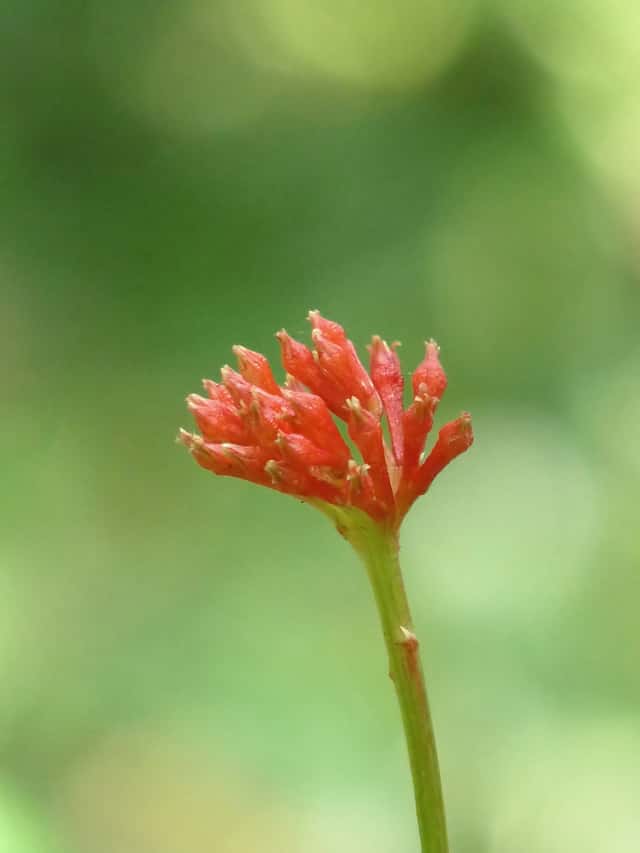
Rauvolfia is a genus of evergreen shrubs in the Apocynaceae family, native to subtropical and tropical regions of Asia, Africa, and the Americas. The most well-known species, Rauvolfia serpentina (Indian snakeroot), grows wild in sub-Himalayan areas up to 1000 m in altitude and has historically been cultivated for its roots, which are rich in indole alkaloids such as reserpine, used in Ayurvedic medicine and, since the 20th century, in Western pharmacology to treat hypertension. The plant produces small white-pink flowers clustered in terminal inflorescences and purple or black berries when ripe.
How to Propagate Indian Snakeroot?
How Big Does Indian Snakeroot Grow?
TLDR: Indian Snakeroot can reach up to 1.5m tall with Medium growth rate.
Max height
1.5m
Spread
1.5m
Growth rate
Medium
Foliage
Evergreen
Warning: Toxic Plant
This plant can be toxic if ingested. Keep out of reach of:
Plant Uses
Medicinal
Medicinal properties
Ornamental
Great for decoration
Medicinal Uses
- Traditional treatment for hypertension (source of reserpine)
- Ayurvedic use for insomnia and anxiety
- Traditional remedy for snake and insect bites
- Treatment for fever and gastrointestinal disorders in folk medicine
Is your plant showing symptoms?
Click on the symptom to discover possible causes:
What Diseases Commonly Affect Indian Snakeroot?
TLDR: Indian Snakeroot is susceptible to 8 known diseases. Monitor regularly for early detection.
Powdery Mildew
Powdery mildew is a common fungal disease caused by various fungi species including Erysiphe, Podosphaera, Oïdium, and Leveillula. It affects over 10,000 plant species worldwide. The disease thrives in warm, dry climates with high humidity and appears as a distinctive white powdery coating on plant surfaces.
Anthracnose
Anthracnose is a fungal disease caused by fungi in the genus Colletotrichum that affects many plants, including vegetables, fruits, and trees. The disease thrives in cool, wet conditions, causing dark, sunken lesions on leaves, stems, flowers, and fruits.
Fusarium Wilt
Fusarium wilt is a serious fungal disease caused by the soil-borne fungus Fusarium oxysporum. The fungus invades roots and blocks the water-conducting vessels (xylem) of the plant, causing progressive wilting and eventual death. Host-specific forms of the pathogen exist that attack different plant species.
Spider Mites
Spider mites are tiny arachnids (less than 1/20 inch long) related to spiders and ticks that feed on plant sap. They thrive in hot, dry conditions and can cause significant damage to ornamental and vegetable plants. During severe infestations, crop losses can reach 14% or higher as these pests disrupt vital plant processes including photosynthesis, carbon dioxide absorption, and transpiration.
Meaning & Symbolism
In South Asian folklore, the root, called "sarpagandha" (snake scent), was offered in temples and used by snake charmers because it was believed to ward off venomous snake bites and calm animals; it symbolizes protection and tranquility.
Compare with similar plants
| Attribute | Difficulty | Light | Watering | Pet Safe |
|---|---|---|---|---|
| Dark Fieldcap | Medium | Low light | 2d | ⚠️ |
| Azalea | Medium | Partial shade | 3d | ⚠️ |
| Muriel's Bamboo | Medium | Partial shade | 3d | ✓ |
| Bougainvillea | Medium | Direct sun | 7d | ⚠️ |




