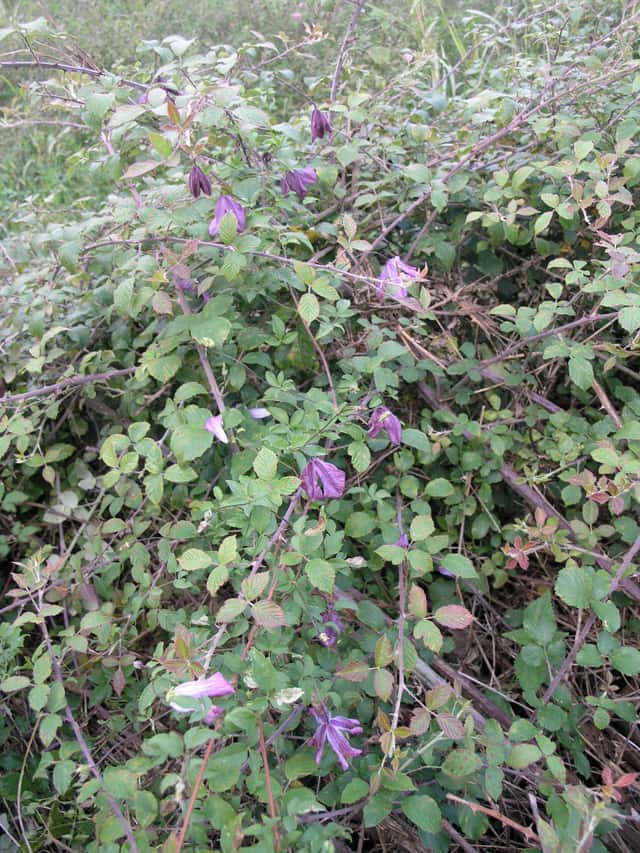
Ranunculaceae
Clematis viticella (Italian Clematis)
Clematis viticella
Plant in full sun (at least 4–6 hours per day) with roots kept cool and shaded by mulch or low-growing ground cover. Water deeply 1–2 times per week during the growing season, keeping soil evenly moist but never waterlogged. Fertilize every 60 days with a balanced fertilizer during the growing season. Prune hard in late winter or early spring, cutting all stems back to about 30 cm (1 ft) above ground (Pruning Group 3).
Every 5 days
Direct sun
-20° - 35°C
40% - 70%
Categories
What is Italian Clematis?
Italian Clematis (Clematis viticella) is a easy-care plant from the Ranunculaceae family. Clematis viticella, commonly known as Italian Clematis or Italian Leather Flower, is a vigorous deciduous climbing vine native to southern Europe. Belonging to the Ranunculaceae family, it is widely celebrated for its prolific display of deep purple-violet flowers from midsummer through fall. One of...
Italian Clematis grows up to 5.0m, spread of 120cm, watering every 5 days, -20°C – 35°C, 40–70% humidity. It is not suitable for indoor environments and not safe for pets.
Unlike many tropical plants, Italian Clematis tolerates watering mistakes. Best for beginners. Without precautions, ingestion can cause irritation in pets. Keep out of reach of cats and dogs.
How to Care for Italian Clematis?
TLDR: Italian Clematis needs Direct sun, watering every 5 days, and temperatures between -20-35°C with 40-70% humidity.
How Often Should You Water Italian Clematis?
Water deeply once or twice a week during spring and summer, soaking the root zone to 15–20 cm depth. Allow the top few centimeters of soil to dry slightly between waterings. Avoid waterlogging — this plant is sensitive to root rot in poorly drained soils.
How Much Light Does Italian Clematis Need?
Prefers full sun on its foliage and cool, shaded roots. Train it up a sunny wall, fence, or pergola and mulch generously at the base to keep the roots cool and moist. At least 6 hours of direct sunlight will produce the best flowering.
What Is the Best Soil for Italian Clematis?
Plant in fertile, deep, well-drained soil with a slightly alkaline to neutral pH of 6.5–7.5. Enrich with well-rotted compost at planting time and apply a layer of bark mulch to retain moisture and regulate soil temperature.
What Pot Should You Use for Italian Clematis?
Metal or treated timber trellis or pergola for wall or fence coverage
Care Schedule
Fertilize
Every 60 days
What Is Italian Clematis and Where Does It Come From?
Clematis viticella, commonly known as Italian Clematis or Italian Leather Flower, is a vigorous deciduous climbing vine native to southern Europe. Belonging to the Ranunculaceae family, it is widely celebrated for its prolific display of deep purple-violet flowers from midsummer through fall. One of the most resilient clematis species, it shows exceptional resistance to clematis wilt — a fungal disease that devastates many other varieties — making it a top choice for cottage gardens, arbors, and fences.
How Big Does Italian Clematis Grow?
TLDR: Italian Clematis can reach up to 5.0m tall with Fast growth rate.
Max height
5.0m
Spread
1.2m
Growth rate
Fast
Foliage
Deciduous
Warning: Toxic Plant
This plant can be toxic if ingested. Keep out of reach of:
Plant Uses
Ornamental
Great for decoration
Is your plant showing symptoms?
Click on the symptom to discover possible causes:
What Diseases Commonly Affect Italian Clematis?
TLDR: Italian Clematis is susceptible to 4 known diseases. Monitor regularly for early detection.
Aphids
Aphids are small, soft-bodied, pear-shaped insects (1/16 to 1/8 inch long) that feed by sucking nutrient-rich sap from plants. They reproduce rapidly and can quickly weaken plants, causing distorted growth and transmitting plant viruses. Aphids come in various colors including green, black, red, yellow, brown, and gray. They secrete honeydew, a sticky substance that attracts ants and encourages sooty mold growth.
Slugs and Snails
Slugs and snails are mollusks that feed on plant tissue, causing irregular holes in leaves and damage to young seedlings. They are most active at night and in moist conditions, leaving characteristic silvery slime trails. These pests can quickly devastate gardens, especially during wet seasons.
Powdery Mildew
Powdery mildew is a common fungal disease caused by various fungi species including Erysiphe, Podosphaera, Oïdium, and Leveillula. It affects over 10,000 plant species worldwide. The disease thrives in warm, dry climates with high humidity and appears as a distinctive white powdery coating on plant surfaces.
Root Rot
Root rot is a serious fungal disease that affects the root system of plants, causing them to decay and die. It is primarily caused by overwatering, poor drainage, or soil-borne fungi such as Pythium, Phytophthora, Rhizoctonia, and Fusarium. The disease thrives in waterlogged conditions where roots are deprived of oxygen, making them susceptible to fungal infection.
Meaning & Symbolism
In European garden tradition, clematis symbolizes ingenuity, artistic creativity, and refined elegance. The Italian Clematis in particular has been associated with the romantic cottage garden aesthetic of England and Italy.
Fun Facts
Clematis viticella blooms on new growth each year, so hard pruning in winter actually encourages more abundant flowering the following season.
It is one of the clematis varieties most resistant to clematis wilt, making it beginner-friendly and long-lived.
The flowers measure 5–8 cm across and display striking deep purple petals with contrasting yellow stamens.
A well-established plant can live 25+ years and cover up to 5 meters of climbing structure.
Frequently asked questions
When should I prune Clematis viticella?
Is Clematis viticella toxic to cats and dogs?
Why is my clematis not flowering?
Compare with similar plants
| Attribute | Difficulty | Light | Watering | Pet Safe |
|---|---|---|---|---|
| Field Maple | Easy | Bright indirect | 14d | ✓ |
| Silver Birch | Easy | Direct sun | 14d | ✓ |
| Common Blanketflower | Easy | Direct sun | 10d | ✓ |
| Cushion Bush | Easy | Direct sun | 14d | ✓ |





