Myrtaceae
jaboticaba: Edible Plant
Myrciaria cauliflora
Jaboticaba thrives in tropical to subtropical conditions suitable for USDA hardiness zones 9-11. It has a slow growth rate and is moderately demanding in care requirements. Full sun is essential for optimal flowering and fruiting, with protection from strong winds. Soil must be well-drained, organically rich, and slightly acidic (pH 5.5-6.5). Watering is critical—maintain consistently moist soil, avoiding complete drying between waterings. The plant cannot tolerate salty or waterlogged soil and is susceptible to root rot from overwatering. Regular fertilization three times per year with balanced NPK promotes healthy growth and abundant fruiting.
Every 7-10 days
Bright indirect
-6° - °C
% - %
Categories
What is jaboticaba?
jaboticaba (Myrciaria cauliflora) is a medium-care plant from the Myrtaceae family. The jaboticaba is a tropical fruit tree native to the Atlantic Forests of Brazil, particularly found in Rio de Janeiro, Minas Gerais, Goiás, and São Paulo states. Belonging to the Myrtaceae family, it is a medium-sized tree reaching up to 15 meters in height, characterized by a smooth, attractive re...
jaboticaba grows up to 4.5m. It is suitable for indoor environments and not safe for pets.
Without precautions, ingestion can cause irritation in pets. Keep out of reach of cats and dogs.
How to Care for jaboticaba?
TLDR: jaboticaba needs Bright indirect, watering every 7 days, and temperatures between -6-30°C with 40-70% humidity.
How Often Should You Water jaboticaba?
Jaboticaba has a shallow root system that dries quickly. Monitor the top layer of soil constantly and keep it moist. Avoid allowing the soil to dry out completely or become waterlogged, as both conditions cause problems. Overwatering is a primary cause of fungal diseases and root rot. In hot climates, regular irrigation is essential. Organic mulch helps retain soil moisture around the shallow roots.
How Much Light Does jaboticaba Need?
Full sun exposure is absolutely essential for abundant flowering and fruit production. Position the tree where it receives 6-8 hours of direct sunlight daily. In very hot climates, light afternoon shade during peak summer heat is tolerated but will reduce fruit production.
What Is the Best Soil for jaboticaba?
Use well-draining soil enriched with abundant organic matter and slightly acidic (pH 5.5-6.5). Avoid highly alkaline soils, which trigger micronutrient deficiencies. Heavy organic mulch is highly recommended to retain soil moisture and maintain the health of the shallow root system.
What Pot Should You Use for jaboticaba?
For container cultivation, use pots with a minimum diameter of 18-24 inches (45-60 cm) and depth of 18 inches (45 cm). Ensure adequate drainage holes. Containers of 30 gallons (114 liters) or larger are ideal for mature plants.
Care Schedule
Fertilize
Every 60 days
What Is jaboticaba and Where Does It Come From?
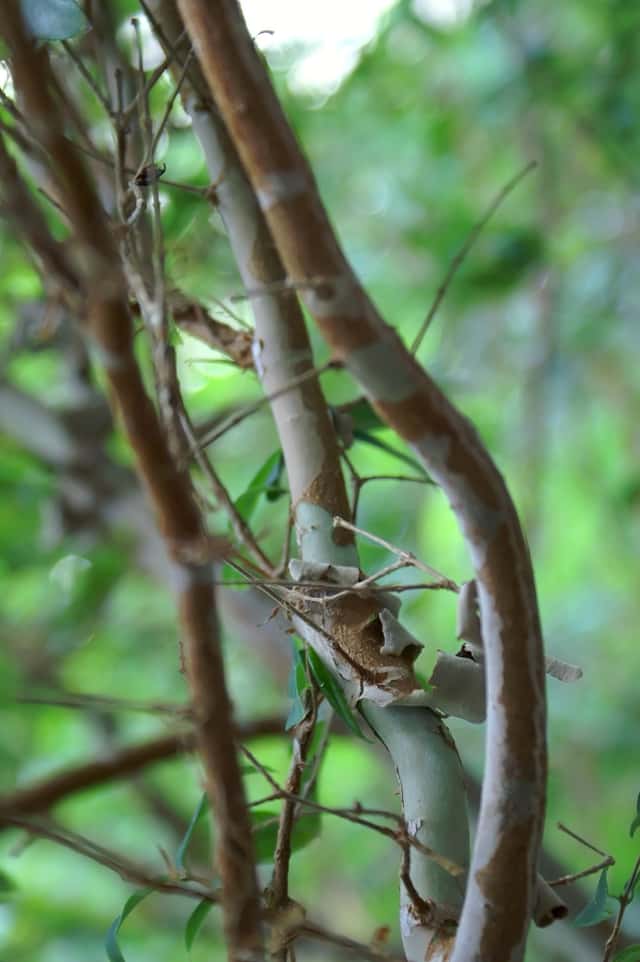
The jaboticaba is a tropical fruit tree native to the Atlantic Forests of Brazil, particularly found in Rio de Janeiro, Minas Gerais, Goiás, and São Paulo states. Belonging to the Myrtaceae family, it is a medium-sized tree reaching up to 15 meters in height, characterized by a smooth, attractive reddish-brown trunk that peels to reveal creamy to gray underbark. The leaves are simple, opposite, and lanceolate, creating a dense, well-structured canopy. The most distinctive feature is its remarkable cauliflory: delicate white, fluffy flowers emerge directly from the trunk and major branches, creating the appearance of a 'snow-covered tree' during bloom. The fruits are small, rounded berries with dark purple skin and soft, white, sweet pulp, uniquely arranged on the trunk and branches rather than at branch tips. The tree is evergreen and highly productive, capable of yielding six to eight crops per year under ideal conditions.
How Big Does jaboticaba Grow?
TLDR: jaboticaba can reach up to 4.5m tall with Slow growth rate.
Max height
4.5m
Growth rate
Slow
Foliage
Evergreen
Warning: Toxic Plant
This plant can be toxic if ingested. Keep out of reach of:
Plant Uses
Edible
Can be consumed
Ornamental
Great for decoration
Medicinal Uses
- Traditional treatment for throat inflammation
- Relief from asthma and respiratory issues
- Cardiovascular support
- Antioxidant and anti-inflammatory effects
- Treatment for diarrhea (using sun-dried peel as astringent decoction)
Culinary Uses
- Fresh consumption (most popular)
- Jams and preserves
- Juices and beverages
- Fruit wines and alcoholic drinks
- Desserts, tarts, pies, and pastries
- Ice creams and sauces
Is your plant showing symptoms?
Click on the symptom to discover possible causes:
What Diseases Commonly Affect jaboticaba?
TLDR: jaboticaba is susceptible to 8 known diseases. Monitor regularly for early detection.
Root Rot
Root rot is a serious fungal disease that affects the root system of plants, causing them to decay and die. It is primarily caused by overwatering, poor drainage, or soil-borne fungi such as Pythium, Phytophthora, Rhizoctonia, and Fusarium. The disease thrives in waterlogged conditions where roots are deprived of oxygen, making them susceptible to fungal infection.
Anthracnose
Anthracnose is a fungal disease caused by fungi in the genus Colletotrichum that affects many plants, including vegetables, fruits, and trees. The disease thrives in cool, wet conditions, causing dark, sunken lesions on leaves, stems, flowers, and fruits.
Powdery Mildew
Powdery mildew is a common fungal disease caused by various fungi species including Erysiphe, Podosphaera, Oïdium, and Leveillula. It affects over 10,000 plant species worldwide. The disease thrives in warm, dry climates with high humidity and appears as a distinctive white powdery coating on plant surfaces.
Rust
Rust is a common fungal disease caused by fungi in the order Pucciniales that affects a wide variety of plants. The disease gets its name from the characteristic orange, yellow, or reddish-brown pustules that appear on leaves, resembling metal rust. This obligate fungal parasite requires living plants to survive and can cause significant economic losses in agricultural crops.
Compare with similar plants
| Attribute | Difficulty | Light | Watering | Pet Safe |
|---|---|---|---|---|
| Dark Fieldcap | Medium | Low light | 2d | ⚠️ |
| Azalea | Medium | Partial shade | 3d | ⚠️ |
| Muriel's Bamboo | Medium | Partial shade | 3d | ✓ |
| Bougainvillea | Medium | Direct sun | 7d | ⚠️ |
Choose & Compare
Sources & References
- Jaboticaba - UF/IFAS Gardening Solutions
- Care guide for the Jabuticaba Bonsai tree - Bonsai Empire
- Myrciaria cauliflora - Randy's Tropical Plants
- Jaboticaba (Myrciaria Cauliflora) Care Guide - Plantiary
- Jaboticaba, Myrciaria cauliflora - Growables
- Effects of the Brazilian Native Fruit Jaboticaba - NCBI
- Jaboticaba: 12 Health Benefits - Tua Saúde
- Myrciaria cauliflora - Wikimedia Commons




