Aquifoliaceae
Ilex crenata (Japanese Holly) Care Guide
Ilex crenata
Japanese holly is a low-maintenance, adaptable shrub that thrives in full sun to partial shade and well-drained, slightly acidic soil. It tolerates drought once established but is intolerant of soggy roots, so good drainage is essential. Light annual pruning in early spring keeps its naturally dense, boxwood-like form tidy.
Every 7 days
Partial shade
-26° - °C
% - %
Categories
What is Japanese Holly?
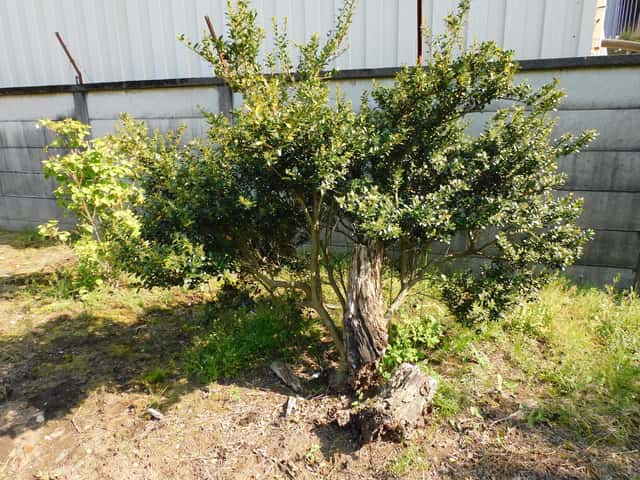
Japanese Holly (Ilex crenata) is a medium-care plant from the Aquifoliaceae family. Ilex crenata, commonly known as Japanese holly, is a dense, slow-growing broadleaf evergreen shrub native to Japan, Korea, and eastern China. Prized as a boxwood substitute, it features small, glossy, spineless leaves and a fine, compact texture that responds beautifully to shearing into hedges, top...
Japanese Holly grows up to 3.0m, spread of 240cm, watering every 7 days. It is not suitable for indoor environments and not safe for pets.
Without precautions, ingestion can cause irritation in pets. Keep out of reach of cats and dogs.
How to Care for Japanese Holly?
TLDR: Japanese Holly needs Partial shade, watering every 7 days, and temperatures between -26-30°C with 40-70% humidity.
How Often Should You Water Japanese Holly?
Water regularly during the first year to establish a deep root system, then reduce to deep, infrequent waterings — Japanese holly handles short dry spells well but resents constantly wet feet.
How Much Light Does Japanese Holly Need?
Give it full sun to partial shade; at least 4-6 hours of direct light produces the densest, most compact growth, though it tolerates more shade than most hollies.
What Is the Best Soil for Japanese Holly?
Plant in well-drained soil with a slightly acidic to neutral pH (5.0-7.0). Amend heavy clay with organic matter, and avoid alkaline soils, which cause yellowing (chlorosis).
What Pot Should You Use for Japanese Holly?
A wide, sturdy container with ample drainage holes suits container-grown or bonsai specimens; unglazed terracotta helps excess moisture evaporate and protects against root rot.
Care Schedule
Fertilize
Every 365 days
What Is Japanese Holly and Where Does It Come From?
Ilex crenata, commonly known as Japanese holly, is a dense, slow-growing broadleaf evergreen shrub native to Japan, Korea, and eastern China. Prized as a boxwood substitute, it features small, glossy, spineless leaves and a fine, compact texture that responds beautifully to shearing into hedges, topiary, and bonsai forms. In late spring it produces tiny, inconspicuous greenish-white flowers, followed on female plants by small black berries that persist into winter.
How to Propagate Japanese Holly?
Semi-hardwood stem cuttings
Bottom heat and a humidity dome speed up rooting; keep the medium moist but not soggy to avoid stem rot.
- 1 Take a 10-15 cm semi-hardwood cutting from a healthy stem in mid-to-late summer.
- 2 Strip leaves from the lower half and dip the cut end in rooting hormone.
- 3 Insert into a moist mix of perlite and peat, and keep humid under a plastic cover until roots form.
Materials needed:
How Big Does Japanese Holly Grow?
TLDR: Japanese Holly can reach up to 3.0m tall with Slow growth rate.
Max height
3.0m
Spread
2.4m
Growth rate
Slow
Foliage
Evergreen
Warning: Toxic Plant
This plant can be toxic if ingested. Keep out of reach of:
Plant Uses
Ornamental
Great for decoration
Is your plant showing symptoms?
Click on the symptom to discover possible causes:
What Diseases Commonly Affect Japanese Holly?
TLDR: Japanese Holly is susceptible to 10 known diseases. Monitor regularly for early detection.
Root Rot
Root rot is a serious fungal disease that affects the root system of plants, causing them to decay and die. It is primarily caused by overwatering, poor drainage, or soil-borne fungi such as Pythium, Phytophthora, Rhizoctonia, and Fusarium. The disease thrives in waterlogged conditions where roots are deprived of oxygen, making them susceptible to fungal infection.
Phytophthora Root Rot
Disease caused by fungus-like organisms (oomycetes) that live in soil and can survive for years. It affects roots, stem, and crown of plants, being especially severe in waterlogged or poorly drained soils. It is the second most common cause of root rot in trees and shrubs.
Spider Mites
Spider mites are tiny arachnids (less than 1/20 inch long) related to spiders and ticks that feed on plant sap. They thrive in hot, dry conditions and can cause significant damage to ornamental and vegetable plants. During severe infestations, crop losses can reach 14% or higher as these pests disrupt vital plant processes including photosynthesis, carbon dioxide absorption, and transpiration.
Powdery Mildew
Powdery mildew is a common fungal disease caused by various fungi species including Erysiphe, Podosphaera, Oïdium, and Leveillula. It affects over 10,000 plant species worldwide. The disease thrives in warm, dry climates with high humidity and appears as a distinctive white powdery coating on plant surfaces.
Meaning & Symbolism
Like other hollies, Ilex crenata is often associated with protection, resilience, and endurance — its evergreen foliage staying vibrant through winter has long made hollies a symbol of steadfastness.
Fun Facts
Despite its spineless leaves, Ilex crenata is a true holly — a much friendlier alternative to the spiky English holly.
Its fine-textured, small leaves make it one of the most popular living substitutes for boxwood, especially where boxwood blight is a concern.
Only female plants produce the small black berries; a male plant nearby is needed for pollination and fruit set.
Bonsai growers prize Ilex crenata for its naturally small leaves and its tolerance of heavy pruning and wiring.
Frequently asked questions
Is Japanese holly toxic to pets?
How often should I water Japanese holly?
Can Ilex crenata replace boxwood?
Why are my Japanese holly leaves turning yellow?
What is the most serious disease affecting Japanese holly?
Compare with similar plants
| Attribute | Difficulty | Light | Watering | Pet Safe |
|---|---|---|---|---|
| Dark Fieldcap | Medium | Low light | 2d | ⚠️ |
| Azalea | Medium | Partial shade | 3d | ⚠️ |
| Muriel's Bamboo | Medium | Partial shade | 3d | ✓ |
| Bougainvillea | Medium | Direct sun | 7d | ⚠️ |