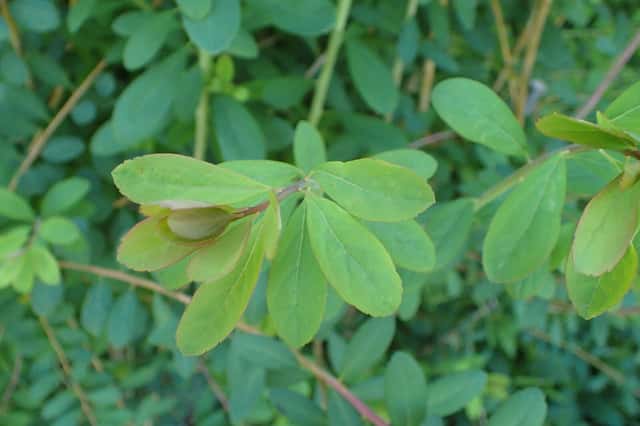
Rosaceae
Japanese Spiraea: Fast Growing
Spiraea japonica
Japanese Spiraea thrives in sunny or partially shaded locations in well-draining soil. It is winter-hardy and relatively undemanding but does not tolerate waterlogged soil. Prune after flowering or in early spring to maintain a compact shape.
Every 7 days
Bright indirect
-25° - 35°C
30% - 70%
Categories
What is Japanese Spiraea?
Japanese Spiraea (Spiraea japonica) is a easy-care plant from the Rosaceae family. Japanese Spiraea (Spiraea japonica) is a deciduous shrub belonging to the rose family (Rosaceae), native to East Asia, specifically Japan, China, and Korea. It forms a dense, rounded shrub and blooms in summer with abundant pink or white flower clusters. This hardy and easy-to-maintain species is id...
Japanese Spiraea grows up to 1.8m, spread of 180cm, watering every 7 days, -25°C – 35°C, 30–70% humidity. It is not suitable for indoor environments and safe for pets.
Unlike many tropical plants, Japanese Spiraea tolerates watering mistakes. Best for beginners. Unlike many popular species, Japanese Spiraea is safe to keep around pets.
How to Care for Japanese Spiraea?
TLDR: Japanese Spiraea needs Bright indirect, watering every 7 days, and temperatures between -25-35°C with 30-70% humidity.
How Often Should You Water Japanese Spiraea?
Water regularly, especially during the first few growing seasons, allowing the surface soil to dry out between waterings. Avoid overwatering, as wet soil can lead to root rot.
How Much Light Does Japanese Spiraea Need?
It blooms best in full sun but also tolerates light partial shade. At least 4–6 hours of direct light per day ensures the most prolific flowering.
What Is the Best Soil for Japanese Spiraea?
Prefers loamy, well-draining soil with a slightly acidic to neutral pH (6.0–7.0). It also tolerates poorer or slightly more alkaline soils.
What Pot Should You Use for Japanese Spiraea?
For container cultivation, use a sturdy, frost-resistant pot with adequate drainage holes. A minimum recommended diameter of 30–40 cm is suggested to provide enough space for the root system to grow.
Care Schedule
Fertilize
Every 90 days
Repot
Every 730 days
What Is Japanese Spiraea and Where Does It Come From?
Japanese Spiraea (Spiraea japonica) is a deciduous shrub belonging to the rose family (Rosaceae), native to East Asia, specifically Japan, China, and Korea. It forms a dense, rounded shrub and blooms in summer with abundant pink or white flower clusters. This hardy and easy-to-maintain species is ideal for garden plantings and hedges.
How to Propagate Japanese Spiraea?
Cuttings
Use clean tools to prevent the spread of disease. Avoid direct sunlight during rooting to prevent the cuttings from drying out.
- 1 Cut a 10–15 cm long semi-hardwood stem in summer after flowering.
- 2 Remove leaves from the lower part of the stem, leaving 2–3 leaves at the tip.
- 3 Dip the cut end into rooting hormone.
- 4 Insert the cutting into a moist, well-draining soil mix.
- 5 Cover with plastic to maintain humidity and place in a bright spot protected from direct sunlight.
- 6 Keep the growing medium evenly moist until roots have formed in about 4–6 weeks.
- 7 Plant the rooted cutting in its own pot or directly into the garden the following spring.
Materials needed:
How Big Does Japanese Spiraea Grow?
TLDR: Japanese Spiraea can reach up to 1.8m tall with Fast growth rate.
Max height
1.8m
Spread
1.8m
Growth rate
Fast
Foliage
Deciduous
Plant Uses
Ornamental
Great for decoration
Is your plant showing symptoms?
Click on the symptom to discover possible causes:
What Diseases Commonly Affect Japanese Spiraea?
TLDR: Japanese Spiraea is susceptible to 10 known diseases. Monitor regularly for early detection.
Powdery Mildew
Powdery mildew is a common fungal disease caused by various fungi species including Erysiphe, Podosphaera, Oïdium, and Leveillula. It affects over 10,000 plant species worldwide. The disease thrives in warm, dry climates with high humidity and appears as a distinctive white powdery coating on plant surfaces.
Aphids
Aphids are small, soft-bodied, pear-shaped insects (1/16 to 1/8 inch long) that feed by sucking nutrient-rich sap from plants. They reproduce rapidly and can quickly weaken plants, causing distorted growth and transmitting plant viruses. Aphids come in various colors including green, black, red, yellow, brown, and gray. They secrete honeydew, a sticky substance that attracts ants and encourages sooty mold growth.
Spider Mites
Spider mites are tiny arachnids (less than 1/20 inch long) related to spiders and ticks that feed on plant sap. They thrive in hot, dry conditions and can cause significant damage to ornamental and vegetable plants. During severe infestations, crop losses can reach 14% or higher as these pests disrupt vital plant processes including photosynthesis, carbon dioxide absorption, and transpiration.
Leaf Spot
Leaf spot is a common fungal disease caused by various pathogens including Alternaria, Ascochyta, Colletotrichum, Septoria, and Venturia. It primarily affects leaves, causing discolored spots that can lead to premature leaf drop if left untreated.
Meaning & Symbolism
Spiraeas are traditionally associated with renewal and resilience—the genus name is historically linked to the discovery of salicylic acid, which led to the development of aspirin. In Japan, the abundant summer blooming of Japanese Spiraea symbolizes the peak of summer and everyday beauty.
Compare with similar plants
| Attribute | Difficulty | Light | Watering | Pet Safe |
|---|---|---|---|---|
| Field Maple | Easy | Bright indirect | 14d | ✓ |
| Silver Birch | Easy | Direct sun | 14d | ✓ |
| Common Blanketflower | Easy | Direct sun | 10d | ✓ |
| Cushion Bush | Easy | Direct sun | 14d | ✓ |
Choose & Compare
Sources & References
- NC State Extension Gardener Plant Toolbox - Spiraea japonica
- How to Grow and Care for Japanese Spirea - Gardener's Path
- Spiraea japonica (Japanese Spirea) - Gardenia.net
- Spirea - CT Agricultural Experiment Station Plant Pest Handbook
- Is Japanese meadowsweet Safe for Pets?
- Japaninangervo - Wikipedia (fi)





