Aizoaceae
Jewel Leaf: Full Sun Plant
Titanopsis calcarea
Full sun (tolerates bright shade in summer), a very well-draining mineral and alkaline substrate, and low ambient humidity. Its growth occurs from fall to early spring: water moderately during this time and keep the plant almost dry for the rest of the year. Excess water is its primary enemy. Grow it in a pot and protect it indoors or in a greenhouse when temperatures drop below 41°F (5°C); when dry, it can withstand some frost, but it will rot if wet.
Every 14 days
Direct sun
5° - °C
% - %
Categories
What is Jewel Leaf?
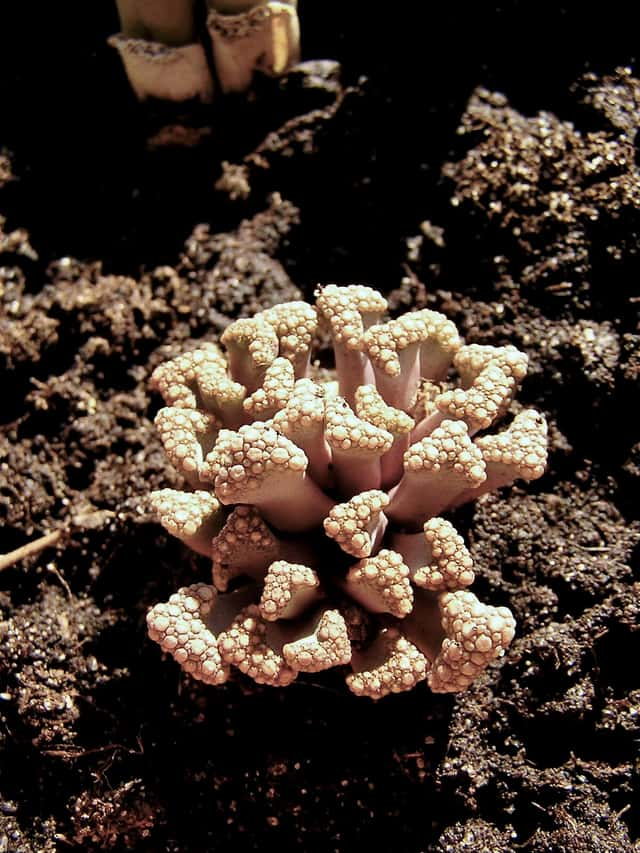
Jewel Leaf (Titanopsis calcarea) is a medium-care plant from the Aizoaceae family. Titanopsis calcarea is a dwarf succulent from the Aizoaceae family that forms clumps of basal rosettes up to 4 inches (10 cm) wide. Its leaves, reaching up to 1 inch (2.5 cm), are gray or blue-green and end in a truncated tip covered with warty tubercles in shades of white, ochre, reddish, or bluish...
Jewel Leaf grows up to 10cm, spread of 10cm, watering every 14 days. It is suitable for indoor environments and safe for pets.
Unlike many popular species, Jewel Leaf is safe to keep around pets. Without adequate drainage, root rot can develop within 28 days.
How to Care for Jewel Leaf?
TLDR: Jewel Leaf needs Direct sun, watering every 14 days, and temperatures between 5-30°C with 40-70% humidity.
How Often Should You Water Jewel Leaf?
Water thoroughly during the growing period (fall to early spring) and only when the substrate is completely dry. In summer, during its dormant phase, reduce watering to a minimum. Never allow water to accumulate in the saucer or between the rosettes.
How Much Light Does Jewel Leaf Need?
Needs full sun most of the year to maintain its compact shape and the color of its tubercles; it grows well in a very sunny window. In midsummer, it appreciates bright shade during the hottest hours. In low light, it will stretch and lose its color.
What Is the Best Soil for Jewel Leaf?
Use a very porous cactus substrate with plenty of mineral material (grit, pumice, or coarse sand) and add limestone gravel: in nature, it grows on limestone and prefers an alkaline pH.
What Pot Should You Use for Jewel Leaf?
A small, shallow terracotta pot with a drainage hole, which helps the substrate dry quickly. A layer of gravel on the surface protects the plant's neck from moisture.
What Is Jewel Leaf and Where Does It Come From?
Titanopsis calcarea is a dwarf succulent from the Aizoaceae family that forms clumps of basal rosettes up to 4 inches (10 cm) wide. Its leaves, reaching up to 1 inch (2.5 cm), are gray or blue-green and end in a truncated tip covered with warty tubercles in shades of white, ochre, reddish, or bluish. It is endemic to South Africa (Bushmanland and the Upper Karoo), where it grows on limestone outcrops; in the wild, often only the leaf tips are visible, blending in with the surrounding pebbles. In late fall and winter, it produces daisy-like flowers about 0.8 inches (2 cm) wide, ranging from yellow to orange. It is a slow grower and has received the Royal Horticultural Society's (RHS) Award of Garden Merit.
How to Propagate Jewel Leaf?
Seed Sowing
- This is the most common method for this species; seed-grown plants can bloom starting from their second year.
- 1 Prepare the substrate
Fill the tray with a fine, well-draining mineral substrate and moisten it.
- 2 Sowing
Scatter the seeds, which are very small, over the surface without burying them.
- 3 Maintain humidity
Cover with a transparent lid and place in a bright spot without direct sun; ventilate daily.
- 4 Hardening off
When the seedlings have several leaves, remove the lid gradually and increase light levels step by step.
Materials needed:
Clump Division
- Only for large clumps: the plant grows slowly and forms new rosettes at a slow pace.
- 1 Extract the clump
At the beginning of the growing period, carefully remove a large clump from the pot.
- 2 Separate
Divide groups of rosettes, ensuring that each part retains some roots.
- 3 Callous and plant
Let the cuts dry for 2 or 3 days and plant in dry substrate; wait one week before watering.
Materials needed:
How Big Does Jewel Leaf Grow?
TLDR: Jewel Leaf can reach up to 10cm tall with Slow growth rate.
Max height
10cm
Spread
10cm
Growth rate
Slow
Foliage
Evergreen
Plant Uses
Ornamental
Great for decoration
Is your plant showing symptoms?
Click on the symptom to discover possible causes:
What Diseases Commonly Affect Jewel Leaf?
TLDR: Jewel Leaf is susceptible to 4 known diseases. Monitor regularly for early detection.
Root Rot
Root rot is a serious fungal disease that affects the root system of plants, causing them to decay and die. It is primarily caused by overwatering, poor drainage, or soil-borne fungi such as Pythium, Phytophthora, Rhizoctonia, and Fusarium. The disease thrives in waterlogged conditions where roots are deprived of oxygen, making them susceptible to fungal infection.
Overwatering
Overwatering occurs when plants receive too much water, depriving roots of oxygen and causing root rot. This environmental stress is one of the most common causes of houseplant death, as waterlogged soil prevents roots from breathing and functioning properly.
Mealybugs
Mealybugs are small, soft-bodied insects covered with a white, waxy, cottony material. They are common pests of houseplants and outdoor plants in mild climates. These sap-sucking insects feed on plant tissue, causing damage, stunted growth, and can lead to plant death if left untreated. They produce sticky honeydew which attracts sooty mold.
Aphids
Aphids are small, soft-bodied, pear-shaped insects (1/16 to 1/8 inch long) that feed by sucking nutrient-rich sap from plants. They reproduce rapidly and can quickly weaken plants, causing distorted growth and transmitting plant viruses. Aphids come in various colors including green, black, red, yellow, brown, and gray. They secrete honeydew, a sticky substance that attracts ants and encourages sooty mold growth.
Compare with similar plants
| Attribute | Difficulty | Light | Watering | Pet Safe |
|---|---|---|---|---|
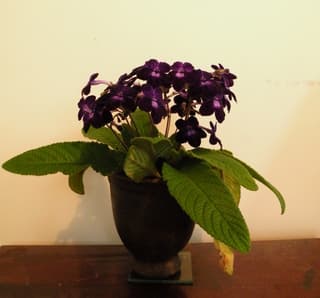
| Dark Fieldcap | Medium | Low light | 2d | ⚠️ |
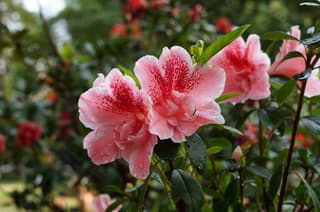
| Azalea | Medium | Partial shade | 3d | ⚠️ |
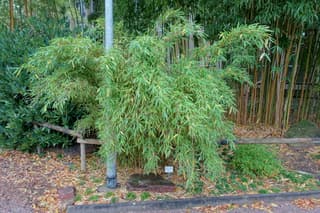
| Muriel's Bamboo | Medium | Partial shade | 3d | ✓ |
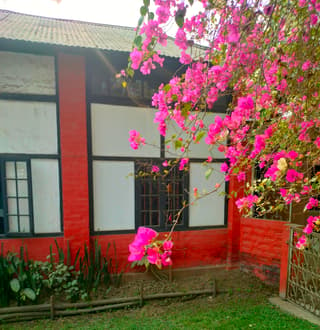
| Bougainvillea | Medium | Direct sun | 7d | ⚠️ |