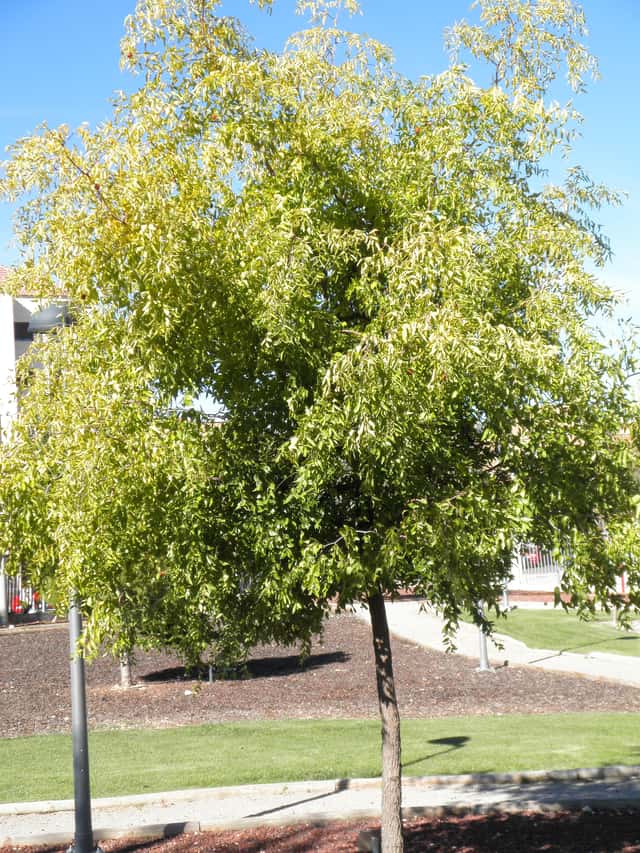
Rhamnaceae
Jujube (Ziziphus jujuba): Complete Growing Guide
Ziziphus jujuba
An extremely resilient tree that thrives in full sun with moderate watering. Highly drought-tolerant once established. Prefers well-drained, warm soils. Annual winter pruning improves fruit yield.
Every 10 days
Direct sun
-20° - 38°C
30% - 60%
Categories
What is Jujube?
Jujube (Ziziphus jujuba) is a easy-care plant from the Rhamnaceae family. The Jujube (Ziziphus jujuba) is a deciduous fruit tree native to Asia, cultivated in China for over 10,000 years. It produces edible date-like fruits with a sweet flavor and recognized medicinal value. An exceptionally hardy plant, it tolerates drought, cold, and poor soils, thriving in hot, dry cli...
Jujube grows up to 10.0m, spread of 700cm, watering every 10 days, -20°C – 38°C, 30–60% humidity. It is not suitable for indoor environments and safe for pets.
Unlike many tropical plants, Jujube tolerates watering mistakes. Best for beginners. Unlike many popular species, Jujube is safe to keep around pets.
How to Care for Jujube?
TLDR: Jujube needs Direct sun, watering every 10 days, and temperatures between -20-38°C with 30-60% humidity.
How Often Should You Water Jujube?
Water every 10 days during the growing season. Once established, jujube trees are highly drought-tolerant and can survive with minimal irrigation. Avoid waterlogged soil to prevent root rot.
How Much Light Does Jujube Need?
Requires full sun (minimum 6–8 hours daily) for optimal fruit production. The more direct sunlight it receives, the sweeter and more abundant the harvest.
What Is the Best Soil for Jujube?
Prefers well-drained soil and adapts to poor and alkaline conditions. Ideal pH is 6.0–8.0. Avoid compacted clay soils or areas with standing water.
What Pot Should You Use for Jujube?
Large terracotta or ceramic container with drainage holes. Direct planting in the ground is preferred for best growth and fruiting.
Care Schedule
Fertilize
Every 180 days
Repot
Every 730 days
What Is Jujube and Where Does It Come From?
The Jujube (Ziziphus jujuba) is a deciduous fruit tree native to Asia, cultivated in China for over 10,000 years. It produces edible date-like fruits with a sweet flavor and recognized medicinal value. An exceptionally hardy plant, it tolerates drought, cold, and poor soils, thriving in hot, dry climates.
How to Propagate Jujube?
Grafting
Grafting is the preferred method to preserve varietal characteristics and accelerate fruiting. Always use sterilized tools.
- 1 Select a healthy jujube rootstock
- 2 Prepare bud or cleft graft in early spring
- 3 Bind firmly with grafting tape
- 4 Keep in a sheltered location until the graft union takes
Materials needed:
Seed
Cold stratification is essential to break seed dormancy. Seed-grown plants take longer to fruit than grafted ones.
- 1 Stratify seeds in moist sand for 30 days at cold temperature
- 2 Plant in well-draining medium at 1 cm depth
- 3 Keep in a warm, sunny location
- 4 Transplant to final location after 1 year
Materials needed:
How Big Does Jujube Grow?
TLDR: Jujube can reach up to 10.0m tall with Fast growth rate.
Max height
10.0m
Spread
7.0m
Growth rate
Fast
Foliage
Deciduous
Plant Uses
Edible
Can be consumed
Medicinal
Medicinal properties
Ornamental
Great for decoration
Medicinal Uses
- Fruits used in traditional Chinese medicine to treat insomnia, anxiety and boost the immune system
- Seed extract has sedative and anxiolytic properties
- Bark used in infusions for digestive issues
Culinary Uses
- Fruits eaten fresh, dried, or as preserves
- Used to make teas, wines, and traditional spirits
- Dried fruits added to rice dishes, soups, and desserts
Is your plant showing symptoms?
Click on the symptom to discover possible causes:
What Diseases Commonly Affect Jujube?
TLDR: Jujube is susceptible to 4 known diseases. Monitor regularly for early detection.
Root Rot
Root rot is a serious fungal disease that affects the root system of plants, causing them to decay and die. It is primarily caused by overwatering, poor drainage, or soil-borne fungi such as Pythium, Phytophthora, Rhizoctonia, and Fusarium. The disease thrives in waterlogged conditions where roots are deprived of oxygen, making them susceptible to fungal infection.
Powdery Mildew
Powdery mildew is a common fungal disease caused by various fungi species including Erysiphe, Podosphaera, Oïdium, and Leveillula. It affects over 10,000 plant species worldwide. The disease thrives in warm, dry climates with high humidity and appears as a distinctive white powdery coating on plant surfaces.
Anthracnose
Anthracnose is a fungal disease caused by fungi in the genus Colletotrichum that affects many plants, including vegetables, fruits, and trees. The disease thrives in cool, wet conditions, causing dark, sunken lesions on leaves, stems, flowers, and fruits.
Aphids
Aphids are small, soft-bodied, pear-shaped insects (1/16 to 1/8 inch long) that feed by sucking nutrient-rich sap from plants. They reproduce rapidly and can quickly weaken plants, causing distorted growth and transmitting plant viruses. Aphids come in various colors including green, black, red, yellow, brown, and gray. They secrete honeydew, a sticky substance that attracts ants and encourages sooty mold growth.
Meaning & Symbolism
Symbolizes wealth, prosperity, and fertility in Asian cultures. In China, jujube fruits are traditionally offered at weddings as symbols of abundance and good fortune.
Fun Facts
The Jujube has been cultivated in China for over 10,000 years, making it one of the first fruit trees domesticated by humans.
A single jujube fruit contains more vitamin C than an orange of the same size.
In traditional Chinese medicine, jujube fruits are called red dates and have been used for millennia to treat insomnia.
Jujube trees can survive temperatures as low as -20°C in winter while producing fruit in summers exceeding 40°C.
Frequently asked questions
How often should I water a jujube tree?
Is the jujube tree toxic to pets?
When does a jujube tree start fruiting?
Can jujube trees survive frost?
Where is the best place to plant a jujube tree?
Compare with similar plants
| Attribute | Difficulty | Light | Watering | Pet Safe |
|---|---|---|---|---|
| Field Maple | Easy | Bright indirect | 14d | ✓ |
| Silver Birch | Easy | Direct sun | 14d | ✓ |
| Common Blanketflower | Easy | Direct sun | 10d | ✓ |
| Cushion Bush | Easy | Direct sun | 14d | ✓ |





