Podocarpaceae
Kahikatea (Dacrycarpus dacrydioides)
Dacrycarpus dacrydioides
Give kahikatea consistently moist to wet, fertile soil and full sun to part shade; it tolerates boggy ground better than drought. Growth is slow, so patience is required, and the tree needs plenty of space to reach its eventual size.
Every 4 days
Partial shade
-5° - 28°C
60% - 90%
Categories
What is Kahikatea?
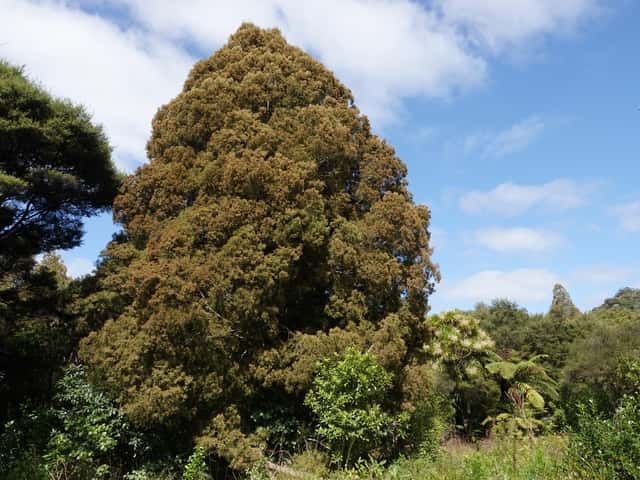
Kahikatea (Dacrycarpus dacrydioides) is a hard-care plant from the Podocarpaceae family. Kahikatea (Dacrycarpus dacrydioides) is New Zealand's tallest native tree and one of the world's most ancient conifer lineages, tracing back to Gondwanan forests. A slow-growing, evergreen podocarp, it naturally dominates swamp forests and floodplain terraces, sending up a slender, conical crown on...
Kahikatea grows up to 60.0m, spread of 600cm, watering every 4 days, -5°C – 28°C, 60–90% humidity. It is not suitable for indoor environments and safe for pets.
Unlike easy-care plants, Kahikatea demands constant attention to humidity and light. Not recommended for beginners. Unlike many popular species, Kahikatea is safe to keep around pets.
How to Care for Kahikatea?
TLDR: Kahikatea needs Partial shade, watering every 4 days, and temperatures between -5-28°C with 60-90% humidity.
How Often Should You Water Kahikatea?
Keep the root zone constantly moist — kahikatea is a swamp-forest species and does not tolerate drying out. Never let it experience prolonged drought; supplement rainfall with irrigation in dry spells, especially for young trees.
How Much Light Does Kahikatea Need?
Grow in full sun for best form once established, though young trees tolerate part shade or shelter beneath a forest canopy. Deep shade over many years will produce a leggier, less vigorous tree.
What Is the Best Soil for Kahikatea?
Best in rich, poorly-drained to swampy soils (peaty or silty loams); it thrives where many other trees would suffer from wet feet. Avoid dry, sandy, or fast-draining sites.
What Pot Should You Use for Kahikatea?
Not suitable for pots long-term; plant directly in the ground in a permanently damp site with room to grow.
What Is Kahikatea and Where Does It Come From?
Kahikatea (Dacrycarpus dacrydioides) is New Zealand's tallest native tree and one of the world's most ancient conifer lineages, tracing back to Gondwanan forests. A slow-growing, evergreen podocarp, it naturally dominates swamp forests and floodplain terraces, sending up a slender, conical crown on a tall, often buttressed trunk that can exceed 50 m in the wild. Unlike flowering plants, it reproduces via small cones rather than true flowers; the female cone matures into a swollen, succulent red receptacle (koroi) that was historically a prized Māori food source. In cultivation it is an impressive specimen or shelter tree for large, permanently damp gardens, parks, and wetland restoration plantings, but it is not suited to small sections, pots, or dry soils.
How to Propagate Kahikatea?
Seed propagation
Fresh seed germinates far better than stored seed; commercial native plant nurseries are usually a more reliable source of seedlings than home propagation.
- 1 Collect ripe red fruit receptacles (koroi) with the black seed attached in autumn
- 2 Remove the fleshy receptacle and clean the seed
- 3 Sow fresh seed in free-draining seed mix, as viability drops quickly in storage
- 4 Keep the seed tray consistently moist and in a shaded, frost-free spot
- 5 Germination is slow and erratic; be patient over many months
- 6 Prick out and pot on seedlings once true leaves appear, keeping soil damp
- 7 Grow on in containers for 1-2 years before planting into permanently moist ground
Materials needed:
How Big Does Kahikatea Grow?
TLDR: Kahikatea can reach up to 60.0m tall with Slow growth rate.
Max height
60.0m
Spread
6.0m
Growth rate
Slow
Foliage
Evergreen
Plant Uses
Edible
Can be consumed
Medicinal
Medicinal properties
Ornamental
Great for decoration
Medicinal Uses
- Traditional Māori leaf decoctions used for urinary complaints; bark preparations used for bruises
Culinary Uses
- Ripe koroi (fruit receptacle) eaten fresh, historically harvested in large quantities as a seasonal food
Is your plant showing symptoms?
Click on the symptom to discover possible causes:
What Diseases Commonly Affect Kahikatea?
TLDR: Kahikatea is susceptible to 4 known diseases. Monitor regularly for early detection.
Phytophthora Root Rot
Disease caused by fungus-like organisms (oomycetes) that live in soil and can survive for years. It affects roots, stem, and crown of plants, being especially severe in waterlogged or poorly drained soils. It is the second most common cause of root rot in trees and shrubs.
Phytophthora Root Rot
The Phytophthora genus consists of soil-borne oomycetes (water molds) that act as plant pathogens, primarily affecting trees and woody plants. It typically spreads through the root system, leading to systemic decline and eventual plant collapse.
Sooty Mold
Sooty mold is a fungal disease that develops on surfaces coated with honeydew, a sticky sweet substance secreted by sap-sucking insects like aphids, scale insects, and whiteflies. While it does not directly infect plant tissue, it reduces photosynthetic capacity by blocking sunlight and diminishes the plant's aesthetic appearance.
Aphids
Aphids are small, soft-bodied, pear-shaped insects (1/16 to 1/8 inch long) that feed by sucking nutrient-rich sap from plants. They reproduce rapidly and can quickly weaken plants, causing distorted growth and transmitting plant viruses. Aphids come in various colors including green, black, red, yellow, brown, and gray. They secrete honeydew, a sticky substance that attracts ants and encourages sooty mold growth.
Meaning & Symbolism
Kahikatea is taonga (treasured) to Māori as the tallest tree in the forest and a symbol of longevity, ancestry, and the abundance of the wetland ecosystem; its koroi fruit once fed large communal gatherings.
Fun Facts
Kahikatea is one of the world's oldest surviving conifer genera, dating back to Gondwana.
It reproduces via cones, not flowers — the fleshy red fruit is a swollen cone receptacle, not a berry in the botanical sense.
Its odourless, tasteless timber was historically used to make butter boxes and food containers.
The tallest known kahikatea exceeds 60 metres, rivalling giant sequoias in height among conifers.
Frequently asked questions
How tall does kahikatea grow?
Does kahikatea need wet soil?
Can kahikatea be grown in a pot?
Is kahikatea fruit edible?
How fast does kahikatea grow?
Compare with similar plants
| Attribute | Difficulty | Light | Watering | Pet Safe |
|---|---|---|---|---|
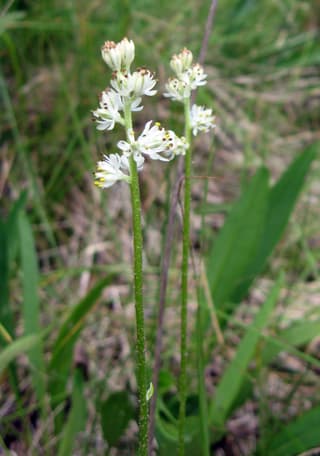
| Sticky false asphodel | Hard | Bright indirect | 1d | ✓ |
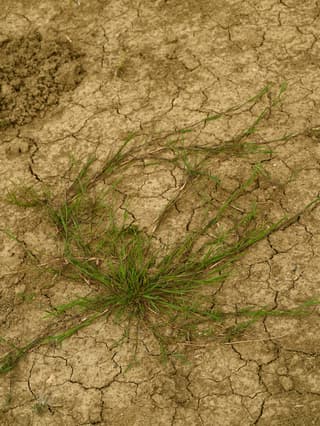
| Creeping bentgrass | Hard | Direct sun | 3d | ✓ |
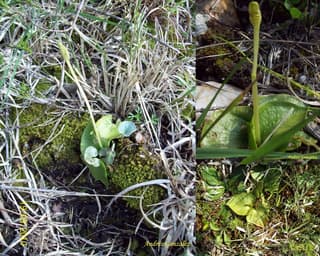
| Bulbous Adder's-tongue | Hard | Partial shade | 4d | ✓ |
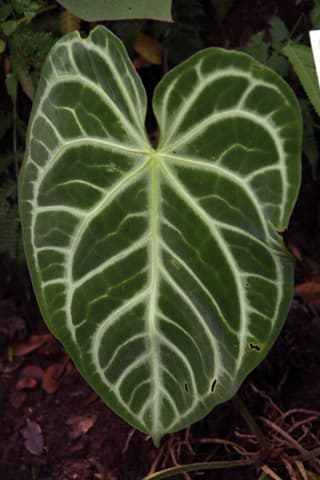
| Crystal Anthurium | Hard | Partial shade | 7d | ⚠️ |