Cercidiphyllaceae
Katsura tree: Aromatic Plant
Cercidiphyllum japonicum
Plant the Katsura tree in a bright to partially shaded, sheltered spot in nutrient-rich, moist, and well-drained soil. It is somewhat demanding during its first few years, requiring consistent moisture, but becomes more drought-tolerant once established. It is largely free from serious diseases and pests.
Every 7 days
Bright indirect
-34° - 35°C
% - %
Categories
What is Katsura tree?
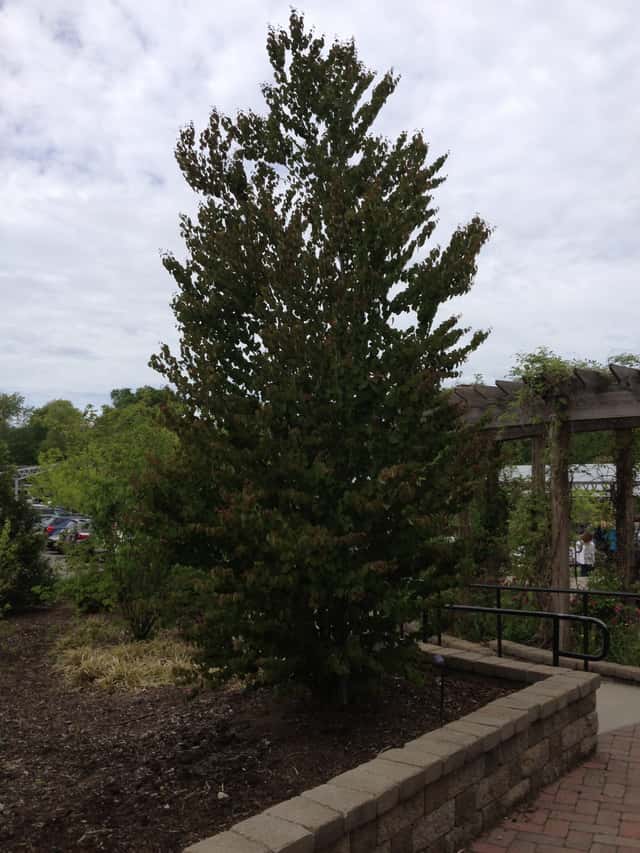
Katsura tree (Cercidiphyllum japonicum) is a medium-care plant from the Cercidiphyllaceae family. Cercidiphyllum japonicum, known as the Katsura tree, is a deciduous tree native to Japan and China featuring characteristic heart-shaped leaves that emerge reddish and turn green throughout the summer. In autumn, the foliage shifts to shades of yellow, orange, and reddish-apricot, and as the leaves...
Katsura tree grows up to 18.0m, spread of 1200cm, watering every 7 days, -34°C – 35°C. It is not suitable for indoor environments and safe for pets.
Unlike many popular species, Katsura tree is safe to keep around pets.
How to Care for Katsura tree?
TLDR: Katsura tree needs Bright indirect, watering every 7 days, and temperatures between -34-35°C with 40-70% humidity.
How Often Should You Water Katsura tree?
Keep the soil evenly moist, especially during the first 2-3 years and during dry summers—the Katsura tree is shallow-rooted and tolerates drying out poorly, which can lead to leaf scorch. Avoid overhead watering in humid weather to reduce the risk of powdery mildew.
How Much Light Does Katsura tree Need?
Thrives best in full sun to partial shade. Full sun provides the most vibrant autumn colors, but protect the tree from harsh afternoon sun and drying winds, which can scorch the leaves.
What Is the Best Soil for Katsura tree?
Prefers nutrient-rich, moist but well-drained soil with a pH ranging from slightly acidic to neutral (approx. 5-7). Leaf color is often more intense in acidic soil, while lime-rich soil can result in pale foliage.
What Pot Should You Use for Katsura tree?
Should not be kept in a pot long-term—the root system needs space to develop in open ground. Younger plants can temporarily be kept in a large, deep pot with good drainage until they can be transplanted.
Care Schedule
Fertilize
Every 365 days
What Is Katsura tree and Where Does It Come From?
Cercidiphyllum japonicum, known as the Katsura tree, is a deciduous tree native to Japan and China featuring characteristic heart-shaped leaves that emerge reddish and turn green throughout the summer. In autumn, the foliage shifts to shades of yellow, orange, and reddish-apricot, and as the leaves fall, they emit a sweet fragrance reminiscent of caramel, cinnamon, or cotton candy. The tree is medium to large, often multi-stemmed, with an elegant, rounded crown and grayish bark that flakes with age. It is fully hardy and frequently planted as an ornamental tree in gardens, parks, and avenues.
How to Propagate Katsura tree?
Seed Propagation
- Fresh seeds have the highest germination rate.
- Protect seedlings from direct midday sun and drying out.
- 1 Collection
Collect the small, winged seeds from the pods in autumn when they are mature and brown.
- 2 Stratification
The seeds require a cold period to break dormancy. Store them moist and cold (e.g., in a refrigerator) for 8-12 weeks.
- 3 Sowing
Sow the seeds shallowly in fine, moist seed-starting mix in the spring and keep them consistently moist in a bright location.
Materials needed:
Cuttings
- Katsura can be difficult to propagate via cuttings—the success rate is lower than with seed propagation.
- Use bottom heat to encourage root development.
- 1 Take Cuttings
Cut 10-15 cm semi-ripe shoot tips in early summer.
- 2 Treatment
Dip the cut surface in rooting hormone and place the cutting in moist, well-drained propagation soil.
- 3 Root Development
Maintain high humidity and consistent moisture under plastic or in a greenhouse until roots have developed.
Materials needed:
How Big Does Katsura tree Grow?
TLDR: Katsura tree can reach up to 18.0m tall with Medium growth rate.
Max height
18.0m
Spread
12.0m
Growth rate
Medium
Foliage
Deciduous
Plant Uses
Ornamental
Great for decoration
Aromatic
Pleasant fragrance
Is your plant showing symptoms?
Click on the symptom to discover possible causes:
What Diseases Commonly Affect Katsura tree?
TLDR: Katsura tree is susceptible to 4 known diseases. Monitor regularly for early detection.
Leaf Tip Necrosis
Leaf tip necrosis, also known as tip burn, is a non-infectious environmental condition where the tips and edges of leaves turn brown, dry, and crispy. This occurs due to various stress factors affecting the plant's ability to maintain healthy tissue at the leaf extremities.
Sun Scald
Sunscald is physical damage that occurs when intense sunlight and heat strike plant tissues that are not acclimated to such exposure. It typically follows heatwaves, heavy pruning, transplanting, the removal of shade, or intense winter sun followed by freezing nights. On fruits such as tomatoes, peppers, cucumbers, apples, and pumpkins, it manifests as pale, bleached, or whitish patches that later become tan or brown, sunken, and occasionally leathery or blistered. Leaves may appear scorched at the margins, but the primary diagnostic sign is light-bleached, papery, or corky areas on the side facing the sun. On young trees (such as maple, birch, and various fruit trees), the bark on the south or southwest side may darken, crack, or scale following sunny winter days and cold nights.
Underwatering
Water deficiency occurs when a plant cannot absorb enough moisture to meet its transpiration and metabolic demands. Also known as drought stress or underwatering, this condition deprives cells of turgor pressure, leading to wilting, leaf scorch, and — if prolonged — permanent root and tissue damage. It is one of the most common causes of houseplant decline and is fully reversible when caught early.
Powdery Mildew
Powdery mildew is a common fungal disease caused by various fungi species including Erysiphe, Podosphaera, Oïdium, and Leveillula. It affects over 10,000 plant species worldwide. The disease thrives in warm, dry climates with high humidity and appears as a distinctive white powdery coating on plant surfaces.
Meaning & Symbolism
In Japan, the Katsura tree is associated with the changing seasons and a delicate, sweet scent that marks the arrival of autumn. In Western gardens, it is seen as a calm, elegant ornamental tree that provides a unique olfactory experience and a display of colors throughout late summer and fall.
Compare with similar plants
| Attribute | Difficulty | Light | Watering | Pet Safe |
|---|---|---|---|---|
| Dark Fieldcap | Medium | Low light | 2d | ⚠️ |
| Azalea | Medium | Partial shade | 3d | ⚠️ |
| Muriel's Bamboo | Medium | Partial shade | 3d | ✓ |
| Bougainvillea | Medium | Direct sun | 7d | ⚠️ |
Choose & Compare
Sources & References
- Cercidiphyllum japonicum - NC State Extension Gardener Plant Toolbox
- Katsura - Cercidiphyllum japonicum | UFOR Nursery & Lab, UMN
- Cercidiphyllum - Trees and Shrubs Online
- Katsura Tree Care - Gardening Know How
- Katsura Tree Plant Care & Growing Basics | PlantIn
- Hjertetræ - Cercidiphyllum japonicum - Plantetorvet.dk




