Asphodelaceae
Pearl Plant: Medicinal Uses & Care Tips
Tulista pumila
An easy-to-grow succulent: prefers bright indirect light but tolerates partial shade (avoid intense direct sun, which can burn the leaves). Water only when the substrate is completely dry, every 2-3 weeks in spring/summer and significantly less in winter. Use a well-draining, mineral substrate, such as a cactus and succulent mix. It is sensitive to waterlogging—excess water is the primary cause of issues (root rot).
Every 18 days
Partial shade
10° - 30°C
% - %
Categories
What is Pearl Plant?
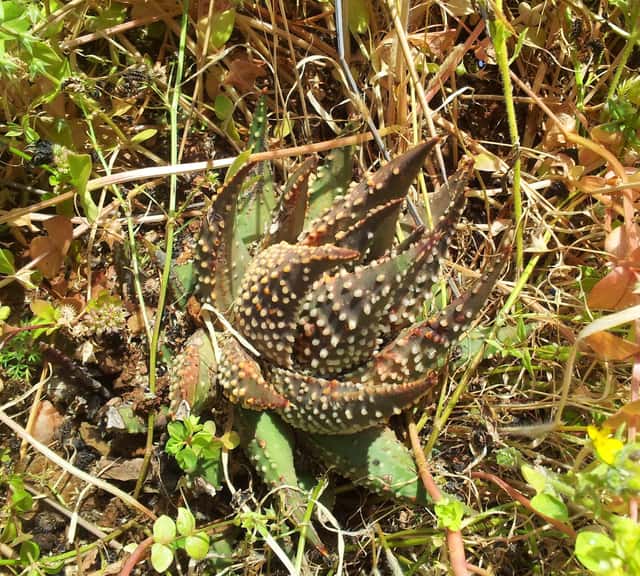
Pearl Plant (Tulista pumila) is a easy-care plant from the Asphodelaceae family. Tulista pumila (formerly Haworthia pumila / Haworthiopsis pumila) is a small South African succulent from the Asphodelaceae family, native to the Western Cape Karoo in the Robertson-Worcester region. It forms compact, stemless rosettes with rigid, upright, and slightly incurved leaves covered in rou...
Pearl Plant grows up to 25cm, spread of 20cm, watering every 18 days, 10°C – 30°C. It is suitable for indoor environments and safe for pets.
Unlike many tropical plants, Pearl Plant tolerates watering mistakes. Best for beginners. Unlike many popular species, Pearl Plant is safe to keep around pets. Without adequate drainage, root rot can develop within 36 days.
How to Care for Pearl Plant?
TLDR: Pearl Plant needs Partial shade, watering every 18 days, and temperatures between 10-30°C with 40-70% humidity.
How Often Should You Water Pearl Plant?
Allow the substrate to dry out completely between waterings—dip your finger 2-3 cm into the soil to check. Water thoroughly, letting the water drain through the drainage holes, and never leave standing water in the saucer. Greatly reduce watering in winter (dormancy period), watering perhaps once a month.
How Much Light Does Pearl Plant Need?
Prefers bright indirect light (near a window, but not behind glass that amplifies the sun) and handles partial shade well, being more shade-tolerant than most succulents. Avoid intense direct sun for long periods, especially in hot climates, as it can cause burns and reddish/brownish spots on the leaves.
What Is the Best Soil for Pearl Plant?
Use a mineral and well-draining substrate—mix cactus/succulent soil with plenty of perlite, pumice, or coarse sand (about 50% or more inorganic material). The ideal pH is between 6.0 and 7.5. Always plant in pots with drainage holes.
What Pot Should You Use for Pearl Plant?
Clay or terracotta pots are ideal as they are porous and help the substrate dry faster, reducing the risk of root rot. Choose a relatively small and shallow pot with generous drainage holes, as the plant has a compact root system and grows slowly.
Care Schedule
Fertilize
Every 30 days
Repot
Every 900 days
What Is Pearl Plant and Where Does It Come From?
Tulista pumila (formerly Haworthia pumila / Haworthiopsis pumila) is a small South African succulent from the Asphodelaceae family, native to the Western Cape Karoo in the Robertson-Worcester region. It forms compact, stemless rosettes with rigid, upright, and slightly incurved leaves covered in rounded whitish tubercles that resemble pearls—hence its common name. In summer (November-December in its native habitat), it produces a thin flower spike with small tubular flowers in shades of white and pink. It is a slow-growing, long-lived plant (capable of living 30-40 years) and is highly prized as an ornamental indoor succulent and in rock gardens.
How to Propagate Pearl Plant?
Leaf propagation
Not every leaf roots successfully; be patient, as the process is slow. Avoid overwatering while there are no roots.
- 1 Remove a healthy leaf from the base with a gentle twisting motion, ensuring it comes off whole
- 2 Let the leaf rest in a dry, airy place for 2-3 days until a callus forms at the base of the cut
- 3 Place the leaf on a well-draining mineral substrate without burying it, with the base of the cut in contact with the soil
- 4 Keep in indirect light and water only lightly when the substrate dries until roots and a new tiny rosette appear
Materials needed:
Offset separation (pups)
Faster and more reliable method than loose leaves, as the offset already has the start of roots.
- 1 Identify offsets growing at the base of the mother plant
- 2 Carefully unpot the plant and separate the offset, keeping its own roots if possible
- 3 Let the offset dry for 1-2 days before planting
- 4 Plant in well-draining substrate and water only after a few days
Materials needed:
Seed propagation
Slow method, recommended for enthusiasts; avoid waterlogging to prevent damping-off of seedlings.
- 1 Sow fresh seeds (viable for up to 18 months) about 3 mm deep
- 2 Keep the substrate slightly moist, never waterlogged, during germination
- 3 After germinating, grow the seedlings with sun protection until they are established
- 4 The plant takes about 5 years to reach maturity and flower
Materials needed:
How Big Does Pearl Plant Grow?
TLDR: Pearl Plant can reach up to 25cm tall with Slow growth rate.
Max height
25cm
Spread
20cm
Growth rate
Slow
Foliage
Evergreen
Plant Uses
Ornamental
Great for decoration
Medicinal
Medicinal properties
Medicinal Uses
- Traditional use: crushed leaves applied as a natural soap; crushed leaves used in poultices in South African traditional medicine (historical/ethnobotanical use, without modern clinical evidence)
Is your plant showing symptoms?
Click on the symptom to discover possible causes:
What Diseases Commonly Affect Pearl Plant?
TLDR: Pearl Plant is susceptible to 10 known diseases. Monitor regularly for early detection.
Root Rot
Root rot is a serious fungal disease that affects the root system of plants, causing them to decay and die. It is primarily caused by overwatering, poor drainage, or soil-borne fungi such as Pythium, Phytophthora, Rhizoctonia, and Fusarium. The disease thrives in waterlogged conditions where roots are deprived of oxygen, making them susceptible to fungal infection.
Overwatering
Overwatering occurs when plants receive too much water, depriving roots of oxygen and causing root rot. This environmental stress is one of the most common causes of houseplant death, as waterlogged soil prevents roots from breathing and functioning properly.
Mealybugs
Mealybugs are small, soft-bodied insects covered with a white, waxy, cottony material. They are common pests of houseplants and outdoor plants in mild climates. These sap-sucking insects feed on plant tissue, causing damage, stunted growth, and can lead to plant death if left untreated. They produce sticky honeydew which attracts sooty mold.
Spider Mites
Spider mites are tiny arachnids (less than 1/20 inch long) related to spiders and ticks that feed on plant sap. They thrive in hot, dry conditions and can cause significant damage to ornamental and vegetable plants. During severe infestations, crop losses can reach 14% or higher as these pests disrupt vital plant processes including photosynthesis, carbon dioxide absorption, and transpiration.
Meaning & Symbolism
Like many Haworthias, Tulista pumila symbolizes resilience, patience, and the ability to thrive in adverse conditions, reflecting its origin in the arid South African Karoo. Its thick leaves covered in pearly tubercles also evoke the idea of protection and understated beauty.
Compare with similar plants
| Attribute | Difficulty | Light | Watering | Pet Safe |
|---|---|---|---|---|
| Field Maple | Easy | Bright indirect | 14d | ✓ |
| Silver Birch | Easy | Direct sun | 14d | ✓ |
| Common Blanketflower | Easy | Direct sun | 10d | ✓ |
| Cushion Bush | Easy | Direct sun | 14d | ✓ |





