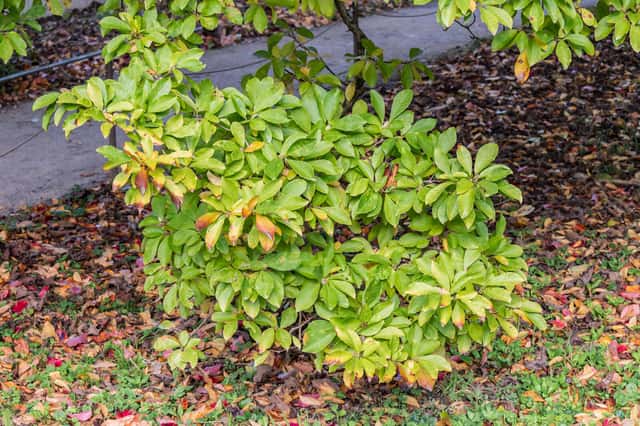
Magnoliaceae
Kobus Magnolia (Magnolia kobus)
Magnolia kobus
Plant in full sun to part shade in moist, well-drained, slightly acidic to neutral loam, sheltered from strong winds and late frosts that can damage the early blooms. Water regularly while establishing; mature trees tolerate brief dry spells but dislike waterlogged or bone-dry soil. Fertilize lightly in early spring and prune only after flowering to preserve next year's buds.
Every 7 days
Bright indirect
-29° - 35°C
40% - 70%
Categories
What is Kobus Magnolia?
Kobus Magnolia (Magnolia kobus) is a medium-care plant from the Magnoliaceae family. Kobus Magnolia (Magnolia kobus) is a deciduous flowering tree native to Japan and Korea, prized for its fragrant, cup-shaped white flowers that appear on bare branches in early spring before the leaves emerge. It grows into a pyramidal shape when young, maturing into a broad, rounded canopy 8-12m ta...
Kobus Magnolia grows up to 9.0m, spread of 700cm, watering every 7 days, -29°C – 35°C, 40–70% humidity. It is not suitable for indoor environments and safe for pets.
Unlike many popular species, Kobus Magnolia is safe to keep around pets.
How to Care for Kobus Magnolia?
TLDR: Kobus Magnolia needs Bright indirect, watering every 7 days, and temperatures between -29-35°C with 40-70% humidity.
How Often Should You Water Kobus Magnolia?
Water deeply about once a week during the growing season, keeping soil evenly moist but never soggy; established trees need less frequent watering.
How Much Light Does Kobus Magnolia Need?
Give it full sun to light partial shade; more sun means more abundant flowering, but afternoon shade helps in hot climates.
What Is the Best Soil for Kobus Magnolia?
Use moist, organically rich, well-drained loam with a neutral to slightly acidic pH; avoid heavy clay or soil that stays waterlogged.
What Pot Should You Use for Kobus Magnolia?
Not typically container-grown long-term; young specimens can start in a large (40cm+) well-draining pot before transplanting to open ground
Care Schedule
Fertilize
Every 180 days
What Is Kobus Magnolia and Where Does It Come From?
Kobus Magnolia (Magnolia kobus) is a deciduous flowering tree native to Japan and Korea, prized for its fragrant, cup-shaped white flowers that appear on bare branches in early spring before the leaves emerge. It grows into a pyramidal shape when young, maturing into a broad, rounded canopy 8-12m tall. Trees can take 15-25 years to reach full flowering maturity, but reward patient growers with a spectacular annual display.
How to Propagate Kobus Magnolia?
Seed propagation
Seed-grown trees can take 15-25 years to flower, so most growers prefer grafted or cutting-grown stock for faster results.
- 1 Collect ripe red seeds from fall seed cones and remove the fleshy coating
- 2 Cold-stratify seeds in moist sand in the refrigerator for 3-4 months
- 3 Sow in well-drained potting mix in early spring
- 4 Keep consistently moist and in bright, indirect light until germination
Materials needed:
Semi-ripe cuttings
Bottom heat and a humidity dome significantly improve rooting success for magnolias.
- 1 Take 10-15cm semi-ripe cuttings from the current season's growth in mid to late summer
- 2 Remove lower leaves and dip the cut end in rooting hormone
- 3 Insert into a well-draining propagation mix under humidity
- 4 Keep warm and consistently moist until roots form
Materials needed:
How Big Does Kobus Magnolia Grow?
TLDR: Kobus Magnolia can reach up to 9.0m tall with Slow growth rate.
Max height
9.0m
Spread
7.0m
Growth rate
Slow
Foliage
Deciduous
Plant Uses
Ornamental
Great for decoration
Is your plant showing symptoms?
Click on the symptom to discover possible causes:
What Diseases Commonly Affect Kobus Magnolia?
TLDR: Kobus Magnolia is susceptible to 9 known diseases. Monitor regularly for early detection.
Phytophthora Root Rot
Disease caused by fungus-like organisms (oomycetes) that live in soil and can survive for years. It affects roots, stem, and crown of plants, being especially severe in waterlogged or poorly drained soils. It is the second most common cause of root rot in trees and shrubs.
Gray Mold (Botrytis Blight)
Gray mold, caused by the fungus Botrytis cinerea, is a widespread necrotrophic pathogen affecting over 1,400 plant species. It thrives in cool, humid conditions and attacks weakened or aging plant tissues, causing soft rot and characteristic gray fuzzy growth.
Verticillium Wilt
Verticillium wilt is a soil-borne fungal disease caused primarily by the fungi Verticillium dahliae and V. albo-atrum. These pathogens infect plant roots and grow within the vascular tissues, blocking water and nutrient transport, resulting in wilting and eventual plant death. The disease affects over 350 plant species including vegetables, fruits, ornamental flowers, and trees. The fungi can survive in soil for more than 10 years as resistant structures called microsclerotia.
Scale Insects
Scale insects are small sap-sucking pests that appear as brown, shell-like bumps on plant stems and leaves. There are over 25 species, divided into armored (hard) and unarmored (soft) scales. They feed by piercing plant tissue and extracting sap, which weakens the plant and can lead to yellowing, stunted growth, and even death if left untreated. They also excrete honeydew, which attracts ants and promotes sooty mold growth.
Meaning & Symbolism
Purity, renewal, and the fleeting beauty of early spring
Fun Facts
The species name honors its Japanese common name "kobushi," meaning "fist," a reference to the shape of the flower buds.
Its red seeds, revealed in fall seed pods, are an important food source for birds.
It is one of the parent species of the popular hybrid Magnolia x soulangeana (saucer magnolia).
Frequently asked questions
Is Kobus Magnolia toxic to cats or dogs?
How long does it take for Kobus Magnolia to flower?
Why did my Kobus Magnolia flowers turn brown?
Does Kobus Magnolia need special soil?
Compare with similar plants
| Attribute | Difficulty | Light | Watering | Pet Safe |
|---|---|---|---|---|
| Dark Fieldcap | Medium | Low light | 2d | ⚠️ |
| Azalea | Medium | Partial shade | 3d | ⚠️ |
| Muriel's Bamboo | Medium | Partial shade | 3d | ✓ |
| Bougainvillea | Medium | Direct sun | 7d | ⚠️ |




