Polygonaceae
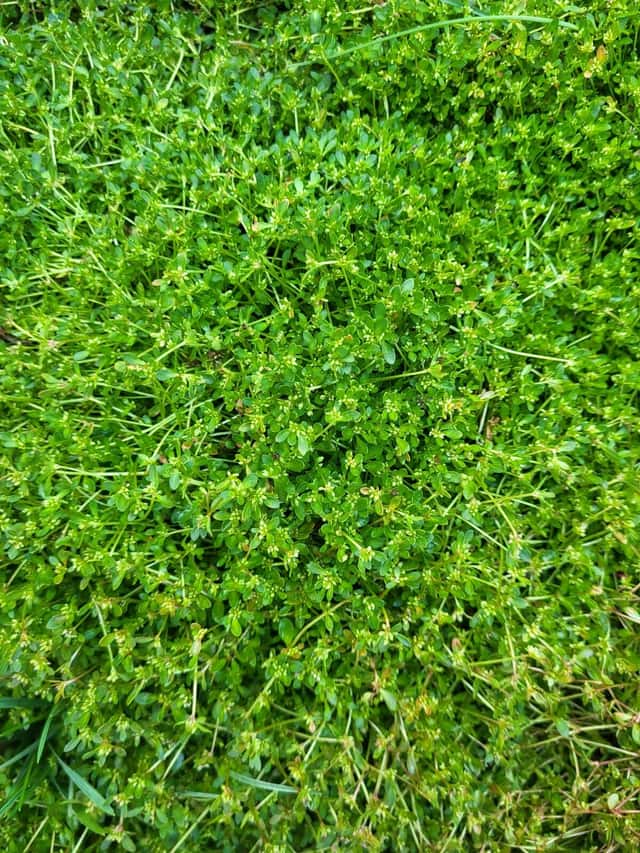
Koenigia (Iceland-Purslane): Ground Cover Plant
Koenigia
Grow Koenigia in constantly moist to wet, humus-rich soil in an open, sunny position that mimics arctic and alpine gravel flushes. It is extremely cold-hardy but has no drought tolerance, so it is best suited to outdoor rock gardens, bog gardens, or naturalized wet areas rather than as a houseplant.
Every 2 days
Bright indirect
-40° - 22°C
60% - 90%
Categories
What is Koenigia (Iceland-Purslane)?
Koenigia (Iceland-Purslane) (Koenigia) is a easy-care plant from the Polygonaceae family. Koenigia is a genus of annual and perennial herbs in the buckwheat family (Polygonaceae), expanded in 2015 to absorb the former genera Aconogonon and part of Persicaria, giving it roughly 41 species. Its type species, Koenigia islandica (Iceland-purslane), is one of the smallest flowering plants on...
Koenigia (Iceland-Purslane) grows up to watering every 2 days, -40°C – 22°C, 60–90% humidity. It is not suitable for indoor environments and safe for pets.
Unlike many tropical plants, Koenigia (Iceland-Purslane) tolerates watering mistakes. Best for beginners. Unlike many popular species, Koenigia (Iceland-Purslane) is safe to keep around pets.
How to Care for Koenigia (Iceland-Purslane)?
TLDR: Koenigia (Iceland-Purslane) needs Bright indirect, watering every 2 days, and temperatures between -40-22°C with 60-90% humidity.
How Often Should You Water Koenigia (Iceland-Purslane)?
Keep soil consistently moist to wet; never let it dry out. Water every 1-3 days depending on climate, more often in hot or windy weather.
How Much Light Does Koenigia (Iceland-Purslane) Need?
Full sun to bright open exposure is preferred, mirroring the unshaded arctic/alpine gravel and scree habitats where wild Koenigia grows.
What Is the Best Soil for Koenigia (Iceland-Purslane)?
Use a moist, well-aerated, organic-rich (peaty) soil that retains water without becoming stagnant, such as found in gravel flushes, bog margins, or scree with organic content.
Care Schedule
Fertilize
Every 14 days
Misting
Every 3 days
Rotate
Every 7 days
Repot
Every 365 days
What Is Koenigia (Iceland-Purslane) and Where Does It Come From?
Koenigia is a genus of annual and perennial herbs in the buckwheat family (Polygonaceae), expanded in 2015 to absorb the former genera Aconogonon and part of Persicaria, giving it roughly 41 species. Its type species, Koenigia islandica (Iceland-purslane), is one of the smallest flowering plants on Earth, standing only 1-2 cm tall, and is considered the hardiest annual plant known, thriving on wet gravel and scree in arctic tundra and alpine meadows across the Northern Hemisphere. Other species absorbed into the genus form larger, spreading knotweed-type herbs. Because the genus spans such extremes of size and habit, this record generalizes care from the wet, cold, open habitats typical of the group.
How Big Does Koenigia (Iceland-Purslane) Grow?
TLDR: Koenigia (Iceland-Purslane) can reach up to ?cm tall with Medium growth rate.
Growth rate
Medium
Foliage
Deciduous
Plant Uses
Ornamental
Great for decoration
Ground Cover
Soil coverage
Is your plant showing symptoms?
Click on the symptom to discover possible causes:
What Diseases Commonly Affect Koenigia (Iceland-Purslane)?
TLDR: Koenigia (Iceland-Purslane) is susceptible to 5 known diseases. Monitor regularly for early detection.
Powdery Mildew
Powdery mildew is a common fungal disease caused by various fungi species including Erysiphe, Podosphaera, Oïdium, and Leveillula. It affects over 10,000 plant species worldwide. The disease thrives in warm, dry climates with high humidity and appears as a distinctive white powdery coating on plant surfaces.
Root Rot
Root rot is a serious fungal disease that affects the root system of plants, causing them to decay and die. It is primarily caused by overwatering, poor drainage, or soil-borne fungi such as Pythium, Phytophthora, Rhizoctonia, and Fusarium. The disease thrives in waterlogged conditions where roots are deprived of oxygen, making them susceptible to fungal infection.
Rust
Rust is a common fungal disease caused by fungi in the order Pucciniales that affects a wide variety of plants. The disease gets its name from the characteristic orange, yellow, or reddish-brown pustules that appear on leaves, resembling metal rust. This obligate fungal parasite requires living plants to survive and can cause significant economic losses in agricultural crops.
Leaf Spot
Leaf spot is a common fungal disease caused by various pathogens including Alternaria, Ascochyta, Colletotrichum, Septoria, and Venturia. It primarily affects leaves, causing discolored spots that can lead to premature leaf drop if left untreated.
Compare with similar plants
| Attribute | Difficulty | Light | Watering | Pet Safe |
|---|---|---|---|---|
| Field Maple | Easy | Bright indirect | 14d | ✓ |
| Silver Birch | Easy | Direct sun | 14d | ✓ |
| Common Blanketflower | Easy | Direct sun | 10d | ✓ |
| Cushion Bush | Easy | Direct sun | 14d | ✓ |





