Araliaceae
Korean Ginseng: Edible Plant
Panax ginseng
Korean Ginseng is a demanding plant, better suited for shady gardens than for indoor container cultivation. It requires deep shade, moist but well-drained soil rich in organic matter, and a period of winter cold to break its dormancy. It is highly sensitive to excess water, which can cause root rot.
Every 7 days
Low light
-25° - 29°C
60% - 80%
Categories
What is Korean Ginseng?
Korean Ginseng (Panax ginseng) is a hard-care plant from the Araliaceae family. Panax ginseng is a perennial herbaceous plant in the Araliaceae family, native to the shady forests of East Asia (Russia, China, Korea). It reaches a height of approximately 80 cm, featuring whorled palmate compound leaves and small, greenish-white flowers that transform into clusters of bright red...
Korean Ginseng grows up to 80cm, spread of 70cm, watering every 7 days, -25°C – 29°C, 60–80% humidity. It is not suitable for indoor environments and safe for pets.
Unlike easy-care plants, Korean Ginseng demands constant attention to humidity and light. Not recommended for beginners. Unlike many popular species, Korean Ginseng is safe to keep around pets.
How to Care for Korean Ginseng?
TLDR: Korean Ginseng needs Low light, watering every 7 days, and temperatures between -25-29°C with 60-80% humidity.
How Often Should You Water Korean Ginseng?
Keep the soil consistently moist but never waterlogged — water only when the surface layer begins to dry and ensure excellent drainage, as the roots rot quickly in soggy soil.
How Much Light Does Korean Ginseng Need?
Prefers deep shade to partial shade, similar to the conditions under a deciduous forest canopy; direct sunlight can scorch the leaves and stunt growth.
What Is the Best Soil for Korean Ginseng?
Choose a loose soil rich in humus and organic matter, slightly acidic to neutral, with very good drainage — heavy, clayey, or compacted soil promotes root rot.
What Pot Should You Use for Korean Ginseng?
If grown in a container, choose a deep pot with multiple drainage holes and a very well-drained soil mix to prevent water from pooling at the root level.
What Is Korean Ginseng and Where Does It Come From?
Panax ginseng is a perennial herbaceous plant in the Araliaceae family, native to the shady forests of East Asia (Russia, China, Korea). It reaches a height of approximately 80 cm, featuring whorled palmate compound leaves and small, greenish-white flowers that transform into clusters of bright red berries in autumn. Its fleshy root, typically harvested after 6-7 years of growth, has been used for over 5,000 years in traditional Asian medicine for its adaptogenic properties.
How Big Does Korean Ginseng Grow?
TLDR: Korean Ginseng can reach up to 80cm tall with Slow growth rate.
Max height
80cm
Spread
70cm
Growth rate
Slow
Foliage
Deciduous
Warning: Toxic Plant
This plant can be toxic if ingested. Keep out of reach of:
Plant Uses
Medicinal
Medicinal properties
Edible
Can be consumed
Medicinal Uses
- Adaptogen — helps the body cope with stress
- Supports energy levels and reduces fatigue
- Traditionally used to balance blood sugar levels
- Expectorant and nervine tonic properties
Culinary Uses
- The root can be consumed fresh, chewed directly
- Prepared as a tea/infusion from dried or fresh root
- Used as an ingredient in tonic soups and extracts
Is your plant showing symptoms?
Click on the symptom to discover possible causes:
What Diseases Commonly Affect Korean Ginseng?
TLDR: Korean Ginseng is susceptible to 7 known diseases. Monitor regularly for early detection.
Root Rot
Root rot is a serious fungal disease that affects the root system of plants, causing them to decay and die. It is primarily caused by overwatering, poor drainage, or soil-borne fungi such as Pythium, Phytophthora, Rhizoctonia, and Fusarium. The disease thrives in waterlogged conditions where roots are deprived of oxygen, making them susceptible to fungal infection.
Phytophthora Root Rot
Disease caused by fungus-like organisms (oomycetes) that live in soil and can survive for years. It affects roots, stem, and crown of plants, being especially severe in waterlogged or poorly drained soils. It is the second most common cause of root rot in trees and shrubs.
Fusarium Wilt
Fusarium is a soil-borne fungus that primarily attacks the roots and vascular tissues of plants. It enters through small wounds or stressed roots, is favored by warm temperatures and waterlogging, and then obstructs the flow of sap. Symptoms include yellowing, often on only one side of the plant, wilting even with moist soil, stunted growth, and, when cutting the stem, internal brown streaks. It frequently affects tomatoes, peppers, eggplants, basil, cucumbers, and zucchini, as well as ornamentals like carnations and cyclamen. In potted plants, it can manifest as root rot with a darkened crown.
Anthracnose
Anthracnose is a fungal disease caused by fungi in the genus Colletotrichum that affects many plants, including vegetables, fruits, and trees. The disease thrives in cool, wet conditions, causing dark, sunken lesions on leaves, stems, flowers, and fruits.
Meaning & Symbolism
In Asian cultures, ginseng symbolizes longevity, vitality, and regenerative power, having been considered for centuries a root of health and energetic balance.
Compare with similar plants
| Attribute | Difficulty | Light | Watering | Pet Safe |
|---|---|---|---|---|
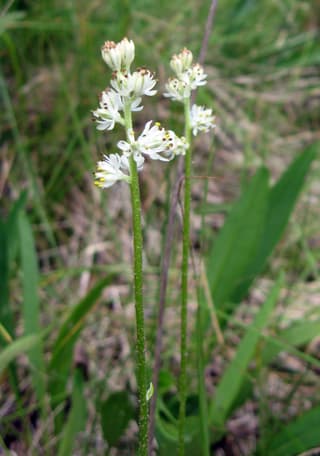
| Sticky false asphodel | Hard | Bright indirect | 1d | ✓ |
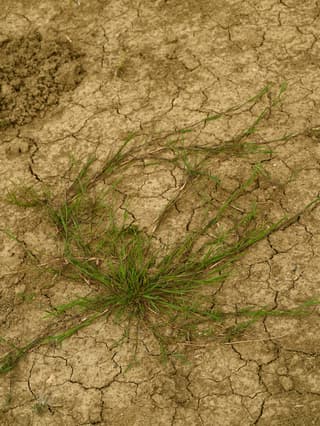
| Creeping bentgrass | Hard | Direct sun | 3d | ✓ |
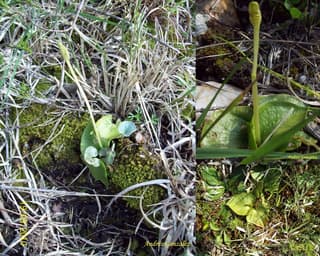
| Bulbous Adder's-tongue | Hard | Partial shade | 4d | ✓ |
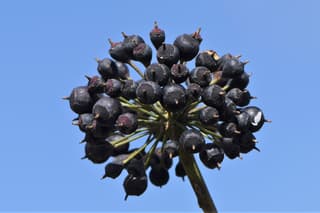
| Atlantic Ivy | Easy | Low light | 7d | ⚠️ |
Choose & Compare
Sources & References
- Panax ginseng - PFAF Plant Database
- Ginseng Plant Care Tips
- Effects of water stress on secondary metabolism of Panax ginseng fresh roots
- Sclerotinia spp. causing root rot of Panax ginseng
- Ginseng Cylindrocarpon (Disappearing) Root Rot - PNW Handbooks
- Ginseng Phytophthora Leaf Blight and Root Rot - PNW Handbooks
- Ginseng - VCA Animal Hospitals