Ericaceae
Rhododendron obtusum (Kurume Azalea) Care Guide
Rhododendron obtusum
Give this azalea partial shade with protection from harsh afternoon sun, acidic well-drained soil rich in organic matter, and consistent moisture without waterlogging. It rewards steady care with a spectacular, if short, spring bloom.
Every 7 days
Partial shade
7° - 26°C
40% - 60%
Categories
What is Kurume Azalea?
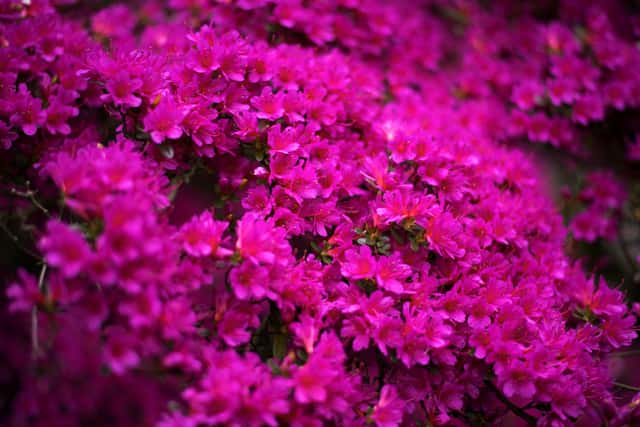
Kurume Azalea (Rhododendron obtusum) is a medium-care plant from the Ericaceae family. Rhododendron obtusum, known as the Kurume azalea, is a compact evergreen to semi-evergreen shrub native to Japan, prized for its dense mounding habit and profuse spring flower display. Small leathery leaves cover twiggy branches that burst into vivid red, pink, purple, or white blooms for several we...
Kurume Azalea grows up to 90cm, spread of 120cm, watering every 7 days, 7°C – 26°C, 40–60% humidity. It is not suitable for indoor environments and not safe for pets.
Without precautions, ingestion can cause irritation in pets. Keep out of reach of cats and dogs.
How to Care for Kurume Azalea?
TLDR: Kurume Azalea needs Partial shade, watering every 7 days, and temperatures between 7-26°C with 40-60% humidity.
How Often Should You Water Kurume Azalea?
Keep the root zone evenly moist but never soggy; water deeply when the top inch of soil dries out, and avoid wetting the foliage to reduce leaf spot risk.
How Much Light Does Kurume Azalea Need?
Provide bright, dappled light or morning sun with afternoon shade; too much direct sun scorches the leaves, while deep shade reduces flowering.
What Is the Best Soil for Kurume Azalea?
Plant in acidic (pH 5.5-6.5), humus-rich, well-drained soil amended with peat or pine bark; azaleas dislike heavy clay and alkaline soils.
What Pot Should You Use for Kurume Azalea?
A wide, shallow container with excellent drainage holes suits the shallow, fibrous root system; unglazed terracotta or wood helps the acidic soil mix breathe.
Care Schedule
Fertilize
Every 45 days
Repot
Every 730 days
What Is Kurume Azalea and Where Does It Come From?
Rhododendron obtusum, known as the Kurume azalea, is a compact evergreen to semi-evergreen shrub native to Japan, prized for its dense mounding habit and profuse spring flower display. Small leathery leaves cover twiggy branches that burst into vivid red, pink, purple, or white blooms for several weeks each spring. Long cultivated in Japanese gardens and popularized in the West through the Kurume hybrid group, it remains one of the most widely planted azaleas for borders, foundation plantings, and containers.
How to Propagate Kurume Azalea?
Softwood stem cutting
Maintain high humidity with a plastic cover or propagation dome and avoid direct sun until well rooted.
- 1 Take 7-10 cm semi-hardwood cuttings from healthy new growth in late summer.
- 2 Remove leaves from the lower half and wound the base by shaving a thin sliver of bark.
- 3 Dip the cut end in rooting hormone and insert into a moist peat-and-perlite mix.
- 4 Keep in a humid, shaded spot with bottom heat until roots form.
Materials needed:
How Big Does Kurume Azalea Grow?
TLDR: Kurume Azalea can reach up to 90cm tall with Slow growth rate.
Max height
90cm
Spread
1.2m
Growth rate
Slow
Foliage
Evergreen
Warning: Toxic Plant
This plant can be toxic if ingested. Keep out of reach of:
Plant Uses
Ornamental
Great for decoration
Is your plant showing symptoms?
Click on the symptom to discover possible causes:
What Diseases Commonly Affect Kurume Azalea?
TLDR: Kurume Azalea is susceptible to 7 known diseases. Monitor regularly for early detection.
Phytophthora Root Rot
Disease caused by fungus-like organisms (oomycetes) that live in soil and can survive for years. It affects roots, stem, and crown of plants, being especially severe in waterlogged or poorly drained soils. It is the second most common cause of root rot in trees and shrubs.
Canker
Canker is a disease caused by various fungi and bacteria that create necrotic, sunken areas on bark of branches, stems, and trunks. Pathogens enter through wounds and natural openings, especially when plants are stressed. Canker can gradually weaken or kill branches by disrupting water and nutrient flow.
Powdery Mildew
Powdery mildew is a common fungal disease caused by various fungi species including Erysiphe, Podosphaera, Oïdium, and Leveillula. It affects over 10,000 plant species worldwide. The disease thrives in warm, dry climates with high humidity and appears as a distinctive white powdery coating on plant surfaces.
Iron Deficiency
Iron deficiency, commonly known as iron chlorosis, is a nutrient deficiency disorder where plants cannot access sufficient iron from the soil. While iron is typically abundant in soil, various soil conditions can limit plant uptake, resulting in characteristic yellowing of leaves while veins remain green.
Meaning & Symbolism
In Japan, the azalea (tsutsuji) symbolizes temperance, patience, and womanhood; more broadly it represents femininity, elegance, and passionate love.
Fun Facts
The Kurume azalea was developed in Kurume, Japan, and introduced to the West in the 1910s by plant hunter Ernest Wilson.
Despite its beauty, every part of the plant contains grayanotoxins - bees that feed exclusively on azalea nectar can even produce a toxic "mad honey".
Its dense, twiggy branching makes it a favorite subject for bonsai and topiary shaping.
Frequently asked questions
Is Rhododendron obtusum toxic to cats and dogs?
How often should I water a Kurume azalea?
Why is my azalea not blooming?
Does Kurume azalea need acidic soil?
Compare with similar plants
| Attribute | Difficulty | Light | Watering | Pet Safe |
|---|---|---|---|---|
| Dark Fieldcap | Medium | Low light | 2d | ⚠️ |
| Azalea | Medium | Partial shade | 3d | ⚠️ |
| Muriel's Bamboo | Medium | Partial shade | 3d | ✓ |
| Bougainvillea | Medium | Direct sun | 7d | ⚠️ |
Choose & Compare
Sources & References
- Rhododendron Care: Everything You Need for Stunning Blooms
- Common Problems of Rhododendron
- List of Common Diseases and Insect Pests of Rhododendrons
- Rhododendrons Is Toxic To Dogs
- Rhododendron L and azalea: toxic to dogs, toxic to cats
- Rhododendron obtusum (Hiryu Azalea)
- Plant Hardiness Zone Map - Azalea Society of America
- How to grow rhododendrons / RHS Growing Guide




