Cactaceae
Ladyfinger Cactus Care Guide
Echinocereus pentalophus
A tough, sun-loving cactus that needs bright light, gritty well-draining soil, and infrequent deep watering. Keep almost dry in winter and increase watering slightly during the spring-summer growing season to encourage its dramatic pink blooms. Root rot from overwatering is the main risk, so err on the side of underwatering.
Every 14 days
Bright indirect
-6.7° - 35°C
% - %
Categories
What is Ladyfinger Cactus?
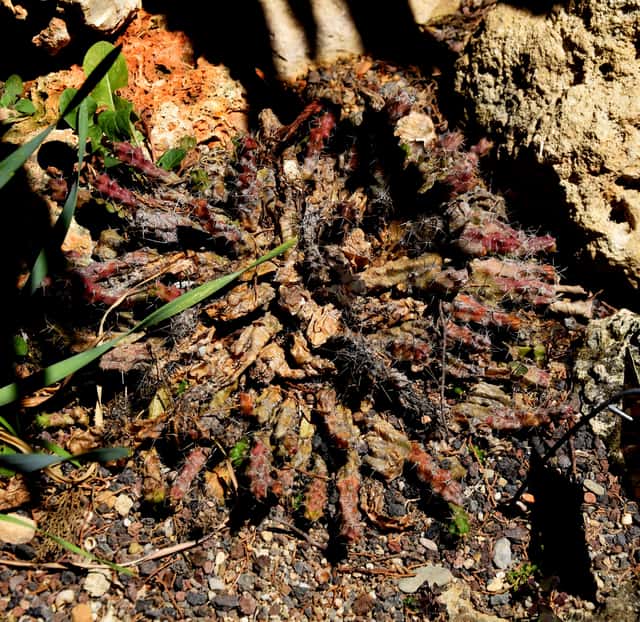
Ladyfinger Cactus (Echinocereus pentalophus) is a medium-care plant from the Cactaceae family. Echinocereus pentalophus, known as the ladyfinger cactus, is a low-growing, clustering cactus native to southern Texas and northeastern Mexico. Its slender, finger-like stems trail and branch to form dense mats up to a meter wide, and in late spring the plant produces large, funnel-shaped flowers in...
Ladyfinger Cactus grows up to 20cm, spread of 100cm, watering every 14 days, -6.7°C – 35°C. It is suitable for indoor environments and safe for pets.
Unlike many popular species, Ladyfinger Cactus is safe to keep around pets. Without adequate drainage, root rot can develop within 28 days.
How to Care for Ladyfinger Cactus?
TLDR: Ladyfinger Cactus needs Bright indirect, watering every 14 days, and temperatures between -6.7-35°C with 40-70% humidity.
How Often Should You Water Ladyfinger Cactus?
Water deeply only when the soil is completely dry, roughly every two weeks in the growing season (spring-summer) and rarely to not at all in winter. Always let excess water drain away completely.
How Much Light Does Ladyfinger Cactus Need?
Provide bright, direct to partial sun. A south- or west-facing window or full outdoor sun works best; some afternoon shade is tolerated in the hottest climates.
What Is the Best Soil for Ladyfinger Cactus?
Use a fast-draining cactus or succulent mix with 70-80% mineral grit (coarse sand, pumice, or perlite). Avoid heavy, water-retentive potting soils.
What Pot Should You Use for Ladyfinger Cactus?
Choose a shallow, wide, unglazed terracotta pot with drainage holes to let the trailing stems spread and excess moisture evaporate quickly.
What Is Ladyfinger Cactus and Where Does It Come From?
Echinocereus pentalophus, known as the ladyfinger cactus, is a low-growing, clustering cactus native to southern Texas and northeastern Mexico. Its slender, finger-like stems trail and branch to form dense mats up to a meter wide, and in late spring the plant produces large, funnel-shaped flowers in vivid pink to magenta with a pale throat that can nearly cover the entire clump for a brief but spectacular bloom.
How to Propagate Ladyfinger Cactus?
Stem Cutting
Avoid watering right after planting; wait until the cutting shows signs of new growth to prevent rot.
- 1 Cut a healthy stem segment with clean, sharp shears
- 2 Let the cut end callus over for 3-5 days in a dry, shaded spot
- 3 Plant the callused end in barely moist, well-draining cactus mix
- 4 Keep in bright indirect light and water sparingly until roots establish
Materials needed:
Offset Division
Handle offsets carefully to avoid spine injuries; use gloves or folded paper.
- 1 Gently remove a small offset (pup) from the base of the mother plant
- 2 Allow the cut surface to callus for a few days
- 3 Plant in gritty cactus soil and keep barely moist
- 4 Provide bright light and warmth until established
Materials needed:
How Big Does Ladyfinger Cactus Grow?
TLDR: Ladyfinger Cactus can reach up to 20cm tall with Medium growth rate.
Max height
20cm
Spread
1.0m
Growth rate
Medium
Foliage
Evergreen
Plant Uses
Ornamental
Great for decoration
Ground Cover
Soil coverage
Is your plant showing symptoms?
Click on the symptom to discover possible causes:
What Diseases Commonly Affect Ladyfinger Cactus?
TLDR: Ladyfinger Cactus is susceptible to 6 known diseases. Monitor regularly for early detection.
Root Rot
Root rot is a serious fungal disease that affects the root system of plants, causing them to decay and die. It is primarily caused by overwatering, poor drainage, or soil-borne fungi such as Pythium, Phytophthora, Rhizoctonia, and Fusarium. The disease thrives in waterlogged conditions where roots are deprived of oxygen, making them susceptible to fungal infection.
Overwatering
Overwatering occurs when plants receive too much water, depriving roots of oxygen and causing root rot. This environmental stress is one of the most common causes of houseplant death, as waterlogged soil prevents roots from breathing and functioning properly.
Mealybugs
Mealybugs are small, soft-bodied insects covered with a white, waxy, cottony material. They are common pests of houseplants and outdoor plants in mild climates. These sap-sucking insects feed on plant tissue, causing damage, stunted growth, and can lead to plant death if left untreated. They produce sticky honeydew which attracts sooty mold.
Aphids
Aphids are small, soft-bodied, pear-shaped insects (1/16 to 1/8 inch long) that feed by sucking nutrient-rich sap from plants. They reproduce rapidly and can quickly weaken plants, causing distorted growth and transmitting plant viruses. Aphids come in various colors including green, black, red, yellow, brown, and gray. They secrete honeydew, a sticky substance that attracts ants and encourages sooty mold growth.
Meaning & Symbolism
In its native Texas and Mexico, the ladyfinger cactus symbolizes resilience and endurance, thriving in harsh, arid landscapes while still producing an abundance of vibrant, delicate flowers.
Fun Facts
A dense clump can nearly disappear under its own flowers during the brief spring bloom.
It is one of the few cold-hardy trailing Echinocereus species, tolerating brief dips to about -6.7°C (20°F).
Its Spanish common name, alicoche, is also used for other trailing desert cacti in Mexico.
Frequently asked questions
How often should I water a ladyfinger cactus?
Is the ladyfinger cactus toxic to pets?
Why is my ladyfinger cactus not flowering?
What is the best soil for a ladyfinger cactus?
Compare with similar plants
| Attribute | Difficulty | Light | Watering | Pet Safe |
|---|---|---|---|---|
| Dark Fieldcap | Medium | Low light | 2d | ⚠️ |
| Azalea | Medium | Partial shade | 3d | ⚠️ |
| Muriel's Bamboo | Medium | Partial shade | 3d | ✓ |
| Bougainvillea | Medium | Direct sun | 7d | ⚠️ |
Choose & Compare
Sources & References
- Echinocereus pentalophus (Lady Finger Cactus) - World of Succulents
- Ladyfinger Cactus Plant Care - Gardening Know How
- Echinocereus pentalophus - Wikipedia
- Echinocereus Pentalophus Lady Finger Cactus Care Guide - Succulents Network
- Common Crested Lady Finger Cactus Problems - Greg App
- Echinocereus pentalophus (Ladyfinger cactus) - Wildflower Center




