Polygonaceae
Lady's Thumb: Ground Cover Plant
Persicaria maculosa
Low-maintenance, weedy annual that thrives in consistently moist, disturbed soil. Grows in full sun to partial shade and needs no fertilizing or special care; self-seeds readily and can spread quickly if left unchecked.
Every 3 days
Bright indirect
10° - 30°C
30% - 70%
Categories
What is Lady's Thumb?
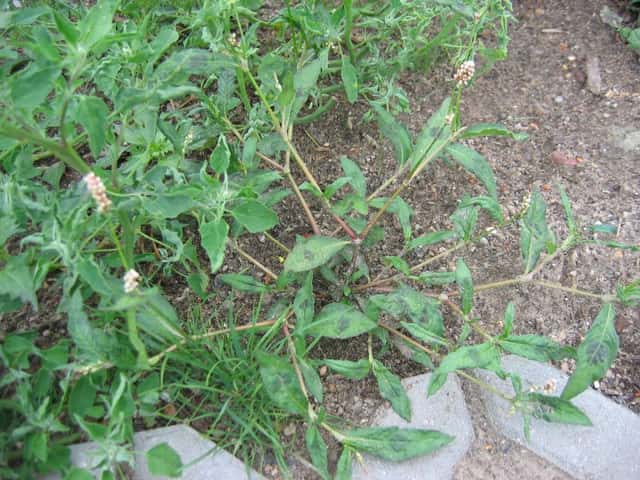
Lady's Thumb (Persicaria maculosa) is a easy-care plant from the Polygonaceae family. Lady's thumb (Persicaria maculosa) is an annual herb in the buckwheat family (Polygonaceae), native across Eurasia and now naturalized throughout North America and beyond. It grows erect to sprawling with reddish, jointed stems and narrow lance-shaped leaves that typically show a dark blotch in the...
Lady's Thumb grows up to 1.0m, spread of 40cm, watering every 3 days, 10°C – 30°C, 30–70% humidity. It is not suitable for indoor environments and safe for pets.
Unlike many tropical plants, Lady's Thumb tolerates watering mistakes. Best for beginners. Unlike many popular species, Lady's Thumb is safe to keep around pets.
How to Care for Lady's Thumb?
TLDR: Lady's Thumb needs Bright indirect, watering every 3 days, and temperatures between 10-30°C with 30-70% humidity.
How Often Should You Water Lady's Thumb?
Keep soil evenly moist but not waterlogged. Water deeply about once a week, more often during hot, dry spells; established plants growing in naturally damp ground rarely need supplemental watering.
How Much Light Does Lady's Thumb Need?
Performs best in full sun (6+ hours a day) but tolerates partial shade, especially in consistently moist sites.
What Is the Best Soil for Lady's Thumb?
Prefers loamy, moisture-retentive, nutrient-rich soil with a slightly acidic pH (5.5-7.0); avoid lime-rich or heavily alkaline soils.
What Pot Should You Use for Lady's Thumb?
Not typically container-grown; if potted, use a wide, shallow container with good drainage and rich substrate kept consistently moist.
What Is Lady's Thumb and Where Does It Come From?
Lady's thumb (Persicaria maculosa) is an annual herb in the buckwheat family (Polygonaceae), native across Eurasia and now naturalized throughout North America and beyond. It grows erect to sprawling with reddish, jointed stems and narrow lance-shaped leaves that typically show a dark blotch in the center. From summer into fall it produces dense, upright spikes of small pink to deep-purple flowers. It thrives in moist, disturbed ground such as ditches, shorelines, waste places and field edges, where it behaves as a common weed.
How to Propagate Lady's Thumb?
Seed propagation
This plant self-seeds very freely; remove seed heads before they mature if you want to prevent it spreading.
- 1 Collect ripe seed heads in late summer or fall
- 2 Sow directly into moist soil in spring, covering lightly
- 3 Keep the soil consistently moist until germination
- 4 Thin seedlings once they reach a few centimeters tall
Materials needed:
How Big Does Lady's Thumb Grow?
TLDR: Lady's Thumb can reach up to 1.0m tall with Fast growth rate.
Max height
1.0m
Spread
40cm
Growth rate
Fast
Foliage
Deciduous
Plant Uses
Edible
Can be consumed
Medicinal
Medicinal properties
Ground Cover
Soil coverage
Medicinal Uses
- Traditional astringent poultices for minor skin irritation and inflammation (folk use, not clinically validated)
Culinary Uses
- Young leaves cooked and eaten as a leafy green in some regions
Is your plant showing symptoms?
Click on the symptom to discover possible causes:
What Diseases Commonly Affect Lady's Thumb?
TLDR: Lady's Thumb is susceptible to 4 known diseases. Monitor regularly for early detection.
Powdery Mildew
Powdery mildew is a common fungal disease caused by various fungi species including Erysiphe, Podosphaera, Oïdium, and Leveillula. It affects over 10,000 plant species worldwide. The disease thrives in warm, dry climates with high humidity and appears as a distinctive white powdery coating on plant surfaces.
Leaf Spot
Leaf spot is a common fungal disease caused by various pathogens including Alternaria, Ascochyta, Colletotrichum, Septoria, and Venturia. It primarily affects leaves, causing discolored spots that can lead to premature leaf drop if left untreated.
Spider Mites
Spider mites are tiny arachnids (less than 1/20 inch long) related to spiders and ticks that feed on plant sap. They thrive in hot, dry conditions and can cause significant damage to ornamental and vegetable plants. During severe infestations, crop losses can reach 14% or higher as these pests disrupt vital plant processes including photosynthesis, carbon dioxide absorption, and transpiration.
Aphids
Aphids are small, soft-bodied, pear-shaped insects (1/16 to 1/8 inch long) that feed by sucking nutrient-rich sap from plants. They reproduce rapidly and can quickly weaken plants, causing distorted growth and transmitting plant viruses. Aphids come in various colors including green, black, red, yellow, brown, and gray. They secrete honeydew, a sticky substance that attracts ants and encourages sooty mold growth.
Meaning & Symbolism
The old folk name "lady's thumb" comes from a legend that the dark blotch on each leaf is the mark left by the Virgin Mary's thumbprint, turning an everyday weed into a small sign of the sacred.
Compare with similar plants
| Attribute | Difficulty | Light | Watering | Pet Safe |
|---|---|---|---|---|
| Field Maple | Easy | Bright indirect | 14d | ✓ |
| Silver Birch | Easy | Direct sun | 14d | ✓ |
| Common Blanketflower | Easy | Direct sun | 10d | ✓ |
| Cushion Bush | Easy | Direct sun | 14d | ✓ |





