Lamiaceae
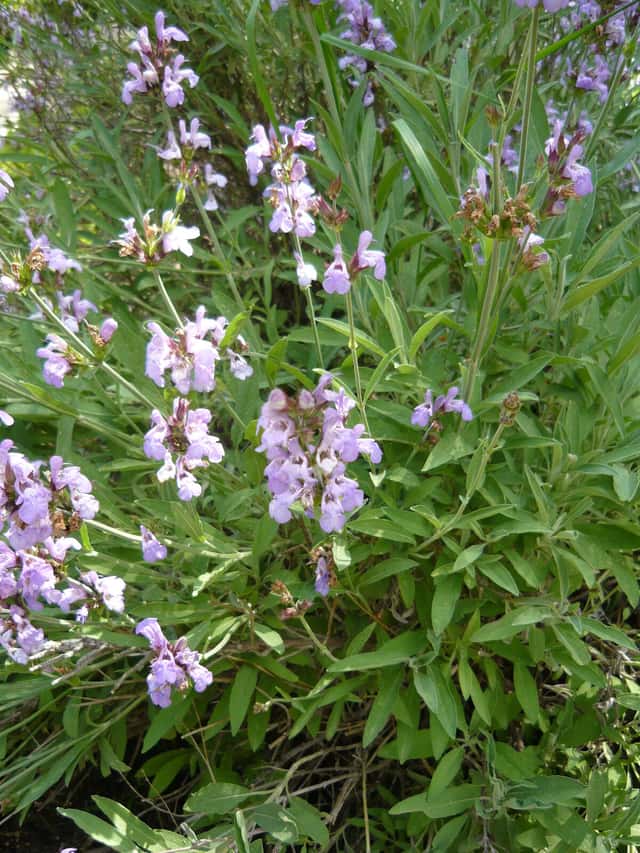
Lavender Sage (Salvia × lavandulacea)
Salvia × lavandulacea
Full sun, infrequent deep watering (let soil dry between waterings), and very well-draining soil. Low fertilizer needs; tolerant of heat and drought.
Every 12 days
Direct sun
-5° - 35°C
30% - 50%
Categories
What is Lavender Sage?
Lavender Sage (Salvia × lavandulacea) is a easy-care plant from the Lamiaceae family. Lavender Sage (Salvia × lavandulacea) is an aromatic evergreen sub-shrub in the mint family, closely related to Spanish sage (Salvia lavandulifolia). It has narrow, grey-green, downy leaves with a rosemary-like scent and produces spikes of violet-blue flowers in summer. Drought-tolerant and sun-lovi...
Lavender Sage grows up to 80cm, spread of 80cm, watering every 12 days, -5°C – 35°C, 30–50% humidity. It is suitable for indoor environments and safe for pets.
Unlike many tropical plants, Lavender Sage tolerates watering mistakes. Best for beginners. Unlike many popular species, Lavender Sage is safe to keep around pets. Without adequate drainage, root rot can develop within 24 days.
How to Care for Lavender Sage?
TLDR: Lavender Sage needs Direct sun, watering every 12 days, and temperatures between -5-35°C with 30-50% humidity.
How Often Should You Water Lavender Sage?
Water only once the top few centimeters of soil have dried out; overwatering and soggy soil are the main causes of decline.
How Much Light Does Lavender Sage Need?
Needs strong, direct light — at least half a day of full sun outdoors, or a spot right next to a sunny window indoors.
What Is the Best Soil for Lavender Sage?
Use a light, fast-draining mix with coarse sand or perlite added, similar to what you would use for rosemary or lavender.
What Pot Should You Use for Lavender Sage?
Unglazed terracotta or clay pot with generous drainage holes.
Care Schedule
Fertilize
Every 60 days
Repot
Every 365 days
What Is Lavender Sage and Where Does It Come From?
Lavender Sage (Salvia × lavandulacea) is an aromatic evergreen sub-shrub in the mint family, closely related to Spanish sage (Salvia lavandulifolia). It has narrow, grey-green, downy leaves with a rosemary-like scent and produces spikes of violet-blue flowers in summer. Drought-tolerant and sun-loving, it thrives in Mediterranean-style gardens, sunny containers, and herb beds.
How to Propagate Lavender Sage?
Semi-hardwood stem cutting
Avoid overwatering while rooting — excess moisture rots the cutting before roots develop.
- 1 Take an 8-10cm semi-hardwood cutting with no flowers
- 2 Strip leaves from the lower half of the stem
- 3 Dip the cut end in rooting hormone
- 4 Plant in a lightly moist, well-draining sandy mix
- 5 Keep in bright indirect light until roots form
Materials needed:
How Big Does Lavender Sage Grow?
TLDR: Lavender Sage can reach up to 80cm tall with Slow growth rate.
Max height
80cm
Spread
80cm
Growth rate
Slow
Foliage
Evergreen
Plant Uses
Ornamental
Great for decoration
Aromatic
Pleasant fragrance
Medicinal
Medicinal properties
Medicinal Uses
- Digestive tea for stomach discomfort
- Traditional gargle for sore throats
Culinary Uses
- Rosemary substitute for roasted meats and dishes
- Flavoring for teas, vinegars, and infused oils
Is your plant showing symptoms?
Click on the symptom to discover possible causes:
What Diseases Commonly Affect Lavender Sage?
TLDR: Lavender Sage is susceptible to 6 known diseases. Monitor regularly for early detection.
Powdery Mildew
Powdery mildew is a common fungal disease caused by various fungi species including Erysiphe, Podosphaera, Oïdium, and Leveillula. It affects over 10,000 plant species worldwide. The disease thrives in warm, dry climates with high humidity and appears as a distinctive white powdery coating on plant surfaces.
Root Rot
Root rot is a serious fungal disease that affects the root system of plants, causing them to decay and die. It is primarily caused by overwatering, poor drainage, or soil-borne fungi such as Pythium, Phytophthora, Rhizoctonia, and Fusarium. The disease thrives in waterlogged conditions where roots are deprived of oxygen, making them susceptible to fungal infection.
Spider Mites
Spider mites are tiny arachnids (less than 1/20 inch long) related to spiders and ticks that feed on plant sap. They thrive in hot, dry conditions and can cause significant damage to ornamental and vegetable plants. During severe infestations, crop losses can reach 14% or higher as these pests disrupt vital plant processes including photosynthesis, carbon dioxide absorption, and transpiration.
Aphids
Aphids are small, soft-bodied, pear-shaped insects (1/16 to 1/8 inch long) that feed by sucking nutrient-rich sap from plants. They reproduce rapidly and can quickly weaken plants, causing distorted growth and transmitting plant viruses. Aphids come in various colors including green, black, red, yellow, brown, and gray. They secrete honeydew, a sticky substance that attracts ants and encourages sooty mold growth.
Meaning & Symbolism
Wisdom, healing, and purification — the genus name Salvia comes from the Latin salvare, "to heal".
Fun Facts
The genus name Salvia comes from the Latin salvare, meaning "to heal" or "to save"
The leaves release a rosemary-like scent when rubbed
It is a close hybrid relative of Spanish sage (Salvia lavandulifolia), traditionally used as a rosemary substitute in cooking
Frequently asked questions
Does Lavender Sage need a lot of water?
Can Lavender Sage be grown indoors?
What are the most common problems with this plant?
How do I propagate Lavender Sage?
Compare with similar plants
| Attribute | Difficulty | Light | Watering | Pet Safe |
|---|---|---|---|---|
| Field Maple | Easy | Bright indirect | 14d | ✓ |
| Silver Birch | Easy | Direct sun | 14d | ✓ |
| Common Blanketflower | Easy | Direct sun | 10d | ✓ |
| Cushion Bush | Easy | Direct sun | 14d | ✓ |





