Amaryllidaceae
Leek (Allium ampeloprasum): Complete Growing & Care Guide
Allium ampeloprasum
Plant in full sun with fertile, well-drained soil. Water regularly without waterlogging. Fertilize every 30 days during active growth. Frost-hardy and largely free of serious pests.
Every 5 days
Direct sun
0° - 35°C
30% - 60%
Categories
What is Leek?
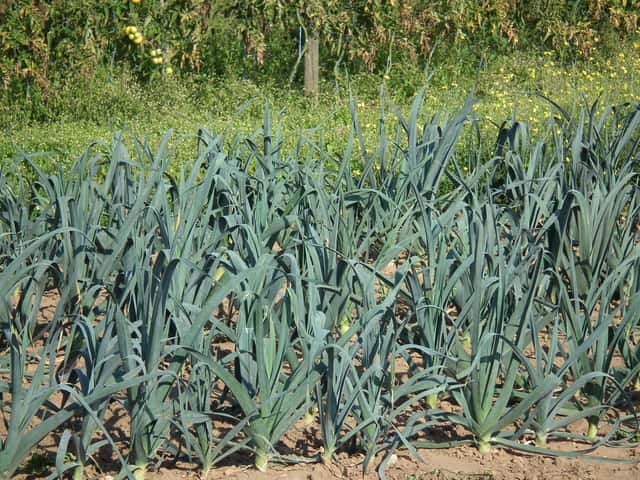
Leek (Allium ampeloprasum) is a easy-care plant from the Amaryllidaceae family. Allium ampeloprasum, commonly known as leek or wild leek, is a biennial bulbous plant in the Amaryllidaceae family, native to southern Europe, southwestern Asia, and northern Africa. It produces broad, flat, blue-green leaves and a tender white shaft prized in cooking. In its second year, it forms a...
Leek grows up to 1.2m, spread of 60cm, watering every 5 days, 0°C – 35°C, 30–60% humidity. It is not suitable for indoor environments and not safe for pets.
Unlike many tropical plants, Leek tolerates watering mistakes. Best for beginners. Without precautions, ingestion can cause irritation in pets. Keep out of reach of cats and dogs.
How to Care for Leek?
TLDR: Leek needs Direct sun, watering every 5 days, and temperatures between 0-35°C with 30-60% humidity.
How Often Should You Water Leek?
Water every 5 days, keeping the soil lightly moist. Avoid overwatering, which promotes root rot. Water at the base of the plant, avoiding wetting the foliage.
How Much Light Does Leek Need?
Requires full sun — at least 6 hours of direct sunlight per day. More sun means better shaft development and flavor.
What Is the Best Soil for Leek?
Prefers loamy soil rich in organic matter and well-drained. Ideal pH between 6.5 and 7.5. Incorporate compost or well-rotted manure before planting.
What Pot Should You Use for Leek?
Vegetable garden bed or deep container (minimum 30 cm) with drainage holes.
Care Schedule
Fertilize
Every 30 days
What Is Leek and Where Does It Come From?
Allium ampeloprasum, commonly known as leek or wild leek, is a biennial bulbous plant in the Amaryllidaceae family, native to southern Europe, southwestern Asia, and northern Africa. It produces broad, flat, blue-green leaves and a tender white shaft prized in cooking. In its second year, it forms a beautiful spherical umbel of lilac flowers that attract pollinators.
How to Propagate Leek?
Seed sowing
Sow in a sheltered location 8-10 weeks before transplanting. Use light, well-draining substrate.
- 1 Sow seeds 0.5 cm deep in a tray or seedbed
- 2 Keep substrate moist until germination
- 3 Transplant seedlings when they reach 15 cm in height
- 4 Plant 15-20 cm apart with 25-30 cm between rows
Materials needed:
Bulb division
Choose healthy, firm bulblets. Avoid planting in overly wet soil to prevent rot.
- 1 Carefully dig up the parent plant in autumn or early spring
- 2 Separate the lateral bulblets from the main bulb
- 3 Replant bulblets at the original depth (5-8 cm)
- 4 Water well after planting
Materials needed:
How Big Does Leek Grow?
TLDR: Leek can reach up to 1.2m tall with Medium growth rate.
Max height
1.2m
Spread
60cm
Growth rate
Medium
Foliage
Deciduous
Warning: Toxic Plant
This plant can be toxic if ingested. Keep out of reach of:
Plant Uses
Edible
Can be consumed
Ornamental
Great for decoration
Medicinal
Medicinal properties
Medicinal Uses
- Digestive aid
- Anti-inflammatory properties
- Cardiovascular support
- Rich in vitamins C and K
Culinary Uses
- Soups and broths
- Quiches and pies
- Stir-fries and sautés
- Fresh salads
- Purées and creams
Is your plant showing symptoms?
Click on the symptom to discover possible causes:
What Diseases Commonly Affect Leek?
TLDR: Leek is susceptible to 6 known diseases. Monitor regularly for early detection.
Downy Mildew
Downy mildew is a fungal-like disease caused by oomycetes (water molds) that thrives in cool, wet conditions. It affects a wide range of plants, causing yellowing leaves with fuzzy white-gray growth underneath, leading to defoliation and reduced yields if left untreated.
Rust
Rust is a common fungal disease caused by fungi in the order Pucciniales that affects a wide variety of plants. The disease gets its name from the characteristic orange, yellow, or reddish-brown pustules that appear on leaves, resembling metal rust. This obligate fungal parasite requires living plants to survive and can cause significant economic losses in agricultural crops.
Root Rot
Root rot is a serious fungal disease that affects the root system of plants, causing them to decay and die. It is primarily caused by overwatering, poor drainage, or soil-borne fungi such as Pythium, Phytophthora, Rhizoctonia, and Fusarium. The disease thrives in waterlogged conditions where roots are deprived of oxygen, making them susceptible to fungal infection.
Grey Mould
Meaning & Symbolism
Strength, good luck, prosperity, and protection against negative energies.
Fun Facts
Leeks have been cultivated in ancient Egypt for over 4,000 years and were the favorite vegetable of Roman Emperor Nero, who ate them regularly to improve his voice.
The entire plant is edible: leaves, shaft, flowers, and even roots can be used in cooking.
The leek is the national symbol of Wales, worn on St. David's Day, March 1st.
Unlike garlic, leeks do not form a true bulb — the edible part is a pseudostem formed by the leaf sheaths.
Frequently asked questions
How often should I water leeks?
Are leeks toxic to pets?
How much sun do leeks need?
When should I harvest leeks?
What are the main diseases of leeks?
Compare with similar plants
| Attribute | Difficulty | Light | Watering | Pet Safe |
|---|---|---|---|---|
| Field Maple | Easy | Bright indirect | 14d | ✓ |
| Silver Birch | Easy | Direct sun | 14d | ✓ |
| Common Blanketflower | Easy | Direct sun | 10d | ✓ |
| Cushion Bush | Easy | Direct sun | 14d | ✓ |





