Ranunculaceae
Lenten Rose: the complete care guide for Helleborus × hybridus
Helleborus × hybridus
Easy to grow in partial shade, ideally under deciduous trees. Prefers rich, humus-laden soil that stays moist but well-drained, with a neutral to alkaline pH. Water regularly in spring and fall; drought-tolerant once established.
Every 7 days
Partial shade
-15° - 25°C
40% - 70%
Categories
What is Lenten Rose?
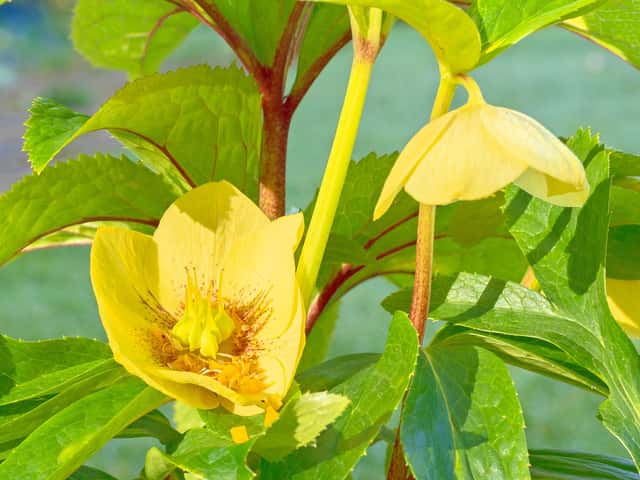
Lenten Rose (Helleborus × hybridus) is a easy-care plant from the Ranunculaceae family. Helleborus × hybridus is an evergreen perennial prized for blooming in late winter and early spring, when few other plants are in flower. It forms neat clumps of dark, lobed leaves topped with nodding flowers in white, pink, purple, yellow, and green, often speckled or picotee-edged.
Lenten Rose grows up to 45cm, spread of 60cm, watering every 7 days, -15°C – 25°C, 40–70% humidity. It is not suitable for indoor environments and not safe for pets.
Unlike many tropical plants, Lenten Rose tolerates watering mistakes. Best for beginners. Without precautions, ingestion can cause irritation in pets. Keep out of reach of cats and dogs.
How to Care for Lenten Rose?
TLDR: Lenten Rose needs Partial shade, watering every 7 days, and temperatures between -15-25°C with 40-70% humidity.
How Often Should You Water Lenten Rose?
Water regularly during spring and fall to keep soil evenly moist. Reduce watering in summer heat when the plant may go semi-dormant. Avoid waterlogging.
How Much Light Does Lenten Rose Need?
Grow in partial shade, ideally beneath deciduous trees that provide winter sun and summer shade. Deep, year-round shade reduces flowering.
What Is the Best Soil for Lenten Rose?
Prefers fertile, humus-rich soil with good drainage and a neutral to slightly alkaline pH (6.5-7.5). Amend planting holes with compost or well-rotted manure.
What Pot Should You Use for Lenten Rose?
Wide, shallow container with good drainage, though in-ground planting is preferred for established plants.
Care Schedule
Fertilize
Every 365 days
What Is Lenten Rose and Where Does It Come From?
Helleborus × hybridus is an evergreen perennial prized for blooming in late winter and early spring, when few other plants are in flower. It forms neat clumps of dark, lobed leaves topped with nodding flowers in white, pink, purple, yellow, and green, often speckled or picotee-edged.
How to Propagate Lenten Rose?
Clump division
Avoid dividing plants younger than 3 years. Use sterilized tools to prevent disease spread.
- 1 Carefully dig up the entire clump, preserving as much root as possible
- 2 Divide into sections with at least 2-3 growing points using a clean knife
- 3 Replant immediately in humus-rich soil
- 4 Water thoroughly after replanting
Materials needed:
Seed propagation
Seedlings can take 2-3 years to flower and, being hybrids, may not reliably match the parent plant traits.
- 1 Collect seeds as soon as pods begin to split open
- 2 Sow fresh into well-draining mix, since dried seed loses viability quickly
- 3 Keep in a shaded, consistently moist spot
- 4 Wait for germination, which can be slow and uneven
Materials needed:
How Big Does Lenten Rose Grow?
TLDR: Lenten Rose can reach up to 45cm tall with Slow growth rate.
Max height
45cm
Spread
60cm
Growth rate
Slow
Foliage
Evergreen
Warning: Toxic Plant
This plant can be toxic if ingested. Keep out of reach of:
Plant Uses
Ornamental
Great for decoration
Ground Cover
Soil coverage
Is your plant showing symptoms?
Click on the symptom to discover possible causes:
What Diseases Commonly Affect Lenten Rose?
TLDR: Lenten Rose is susceptible to 7 known diseases. Monitor regularly for early detection.
Black Spot
Black spot is the most serious fungal disease affecting roses, caused by the fungus Diplocarpon rosae. It is characterized by dark circular spots on leaves that progress to yellowing and premature leaf drop. The disease thrives in humid and cool conditions, especially early in the growing season.
Leaf Spot
Leaf spot is a common fungal disease caused by various pathogens including Alternaria, Ascochyta, Colletotrichum, Septoria, and Venturia. It primarily affects leaves, causing discolored spots that can lead to premature leaf drop if left untreated.
Crown Rot
Crown rot is a serious fungal disease that attacks the crown (base) of the plant where the stem meets the soil. It is caused by various fungal pathogens including Phytophthora, Fusarium, and Rhizoctonia. The disease thrives in waterlogged conditions and can quickly spread to kill the entire plant if not addressed promptly.
Root Rot
Root rot is a serious fungal disease that affects the root system of plants, causing them to decay and die. It is primarily caused by overwatering, poor drainage, or soil-borne fungi such as Pythium, Phytophthora, Rhizoctonia, and Fusarium. The disease thrives in waterlogged conditions where roots are deprived of oxygen, making them susceptible to fungal infection.
Meaning & Symbolism
A symbol of hope and resilience for blooming through winter cold; in Victorian flower language associated with serenity and quiet endurance through hardship.
Fun Facts
It is one of the few plants that bloom in the depths of winter, giving rise to the name "Lenten rose"
Despite the name, it is not a true rose - it belongs to the buttercup family, Ranunculaceae
It is deer- and rabbit-resistant due to its toxicity
Its nodding flowers protect pollen from rain and cold
Frequently asked questions
Is Lenten Rose toxic to pets?
When does Lenten Rose bloom?
Where should I plant it?
How do I propagate Lenten Rose?
Compare with similar plants
| Attribute | Difficulty | Light | Watering | Pet Safe |
|---|---|---|---|---|
| Field Maple | Easy | Bright indirect | 14d | ✓ |
| Silver Birch | Easy | Direct sun | 14d | ✓ |
| Common Blanketflower | Easy | Direct sun | 10d | ✓ |
| Cushion Bush | Easy | Direct sun | 14d | ✓ |





