Lamiaceae
Lesser Calamint: Ground Cover Plant
Clinopodium nepeta
Lesser Calamint thrives best in full sun with well-drained, preferably sandy or calcareous soil. It is drought-tolerant once established and should be watered moderately—allow the soil to dry out thoroughly between waterings, as the plant does not tolerate waterlogged soil. it requires very little fertilizer and should be cut back after flowering to maintain a dense shape and promote new growth.
Every 10 days
Bright indirect
-15° - 35°C
30% - 60%
Categories
What is Lesser Calamint?
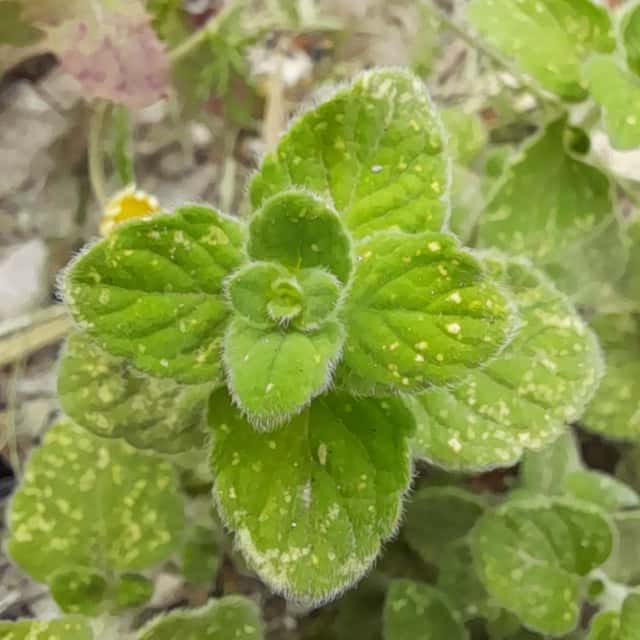
Lesser Calamint (Clinopodium nepeta) is a easy-care plant from the Lamiaceae family. Lesser Calamint is a perennial, aromatic herb in the mint family (Lamiaceae) that forms a compact, tufted shrub with gray-green, oval leaves. The leaves possess a fresh scent of mint, oregano, and a hint of peppermint-like pennyroyal, and are widely used in Mediterranean cuisine. The plant is native...
Lesser Calamint grows up to 50cm, spread of 60cm, watering every 10 days, -15°C – 35°C, 30–60% humidity. It is not suitable for indoor environments and safe for pets.
Unlike many tropical plants, Lesser Calamint tolerates watering mistakes. Best for beginners. Unlike many popular species, Lesser Calamint is safe to keep around pets.
How to Care for Lesser Calamint?
TLDR: Lesser Calamint needs Bright indirect, watering every 10 days, and temperatures between -15-35°C with 30-60% humidity.
How Often Should You Water Lesser Calamint?
Water moderately and allow the soil to dry out almost completely between each watering. Lesser Calamint tolerates drought well but is sensitive to waterlogged soil and root rot, so avoid letting the plant sit in water.
How Much Light Does Lesser Calamint Need?
Requires full sun—at least 6 hours of direct sunlight per day. The plant does not thrive in shade and will flower sparsely without ample light.
What Is the Best Soil for Lesser Calamint?
Prefers light, well-drained soil—sandy or loamy—with a neutral to slightly alkaline pH (approx. 6-8). Calcareous, stony soil is well tolerated, and good drainage is more important than the soil's nutrient content.
What Pot Should You Use for Lesser Calamint?
In cooler climates, Lesser Calamint can be successfully grown in a terracotta or clay pot with good drainage holes, as the porous material helps excess moisture evaporate and protects the roots from rot.
Care Schedule
Fertilize
Every 90 days
Repot
Every 730 days
What Is Lesser Calamint and Where Does It Come From?
Lesser Calamint is a perennial, aromatic herb in the mint family (Lamiaceae) that forms a compact, tufted shrub with gray-green, oval leaves. The leaves possess a fresh scent of mint, oregano, and a hint of peppermint-like pennyroyal, and are widely used in Mediterranean cuisine. The plant is native to the Mediterranean region, North Africa, and parts of Central Asia, where it grows on dry, calcareous slopes and hillsides. From July to October, it bears numerous small, two-lipped flowers in white, pink, or lavender, which attract bees and butterflies. Lesser Calamint is hardy, drought-tolerant, and requires minimal care, making it a favorite for rock gardens and herb gardens.
How to Propagate Lesser Calamint?
How Big Does Lesser Calamint Grow?
TLDR: Lesser Calamint can reach up to 50cm tall with Medium growth rate.
Max height
50cm
Spread
60cm
Growth rate
Medium
Foliage
Deciduous
Plant Uses
Ornamental
Great for decoration
Edible
Can be consumed
Medicinal
Medicinal properties
Aromatic
Pleasant fragrance
Ground Cover
Soil coverage
Medicinal Uses
- Traditionally used as a herbal tea for flatulence and indigestion
- Applied for its antispasmodic and mild sedative effects
- Historically used for insomnia and as a diaphoretic to induce sweating during fevers
- Advised against in large quantities during pregnancy
Culinary Uses
- Known as 'nepitella' in Italian cuisine, notably in the Roman dish carciofi alla romana (artichokes)
- The leaves' mint-oregano-like flavor is used in soups, stews, and with vegetables
- Can be dried and used for aromatic herbal tea
Is your plant showing symptoms?
Click on the symptom to discover possible causes:
What Diseases Commonly Affect Lesser Calamint?
TLDR: Lesser Calamint is susceptible to 3 known diseases. Monitor regularly for early detection.
Powdery Mildew
Powdery mildew is a common fungal disease caused by various fungi species including Erysiphe, Podosphaera, Oïdium, and Leveillula. It affects over 10,000 plant species worldwide. The disease thrives in warm, dry climates with high humidity and appears as a distinctive white powdery coating on plant surfaces.
Aphids
Aphids are small, soft-bodied, pear-shaped insects (1/16 to 1/8 inch long) that feed by sucking nutrient-rich sap from plants. They reproduce rapidly and can quickly weaken plants, causing distorted growth and transmitting plant viruses. Aphids come in various colors including green, black, red, yellow, brown, and gray. They secrete honeydew, a sticky substance that attracts ants and encourages sooty mold growth.
Root Rot
Root rot is a serious fungal disease that affects the root system of plants, causing them to decay and die. It is primarily caused by overwatering, poor drainage, or soil-borne fungi such as Pythium, Phytophthora, Rhizoctonia, and Fusarium. The disease thrives in waterlogged conditions where roots are deprived of oxygen, making them susceptible to fungal infection.
Meaning & Symbolism
Often associated with hospitality and protection in the Mediterranean region.
Compare with similar plants
| Attribute | Difficulty | Light | Watering | Pet Safe |
|---|---|---|---|---|
| Field Maple | Easy | Bright indirect | 14d | ✓ |
| Silver Birch | Easy | Direct sun | 14d | ✓ |
| Common Blanketflower | Easy | Direct sun | 10d | ✓ |
| Cushion Bush | Easy | Direct sun | 14d | ✓ |





