Asteraceae
Licorice Plant Care Guide
Helichrysum petiolare
Give the licorice plant full sun to very light shade and well-draining soil, and let the top of the soil dry out between waterings. It is highly drought tolerant and far more likely to suffer from overwatering and root rot than from underwatering. Pinch and prune regularly to keep growth dense and to stop stems from becoming bare and leggy.
Every 10 days
Bright indirect
7° - 32°C
30% - 60%
Categories
What is Licorice Plant?
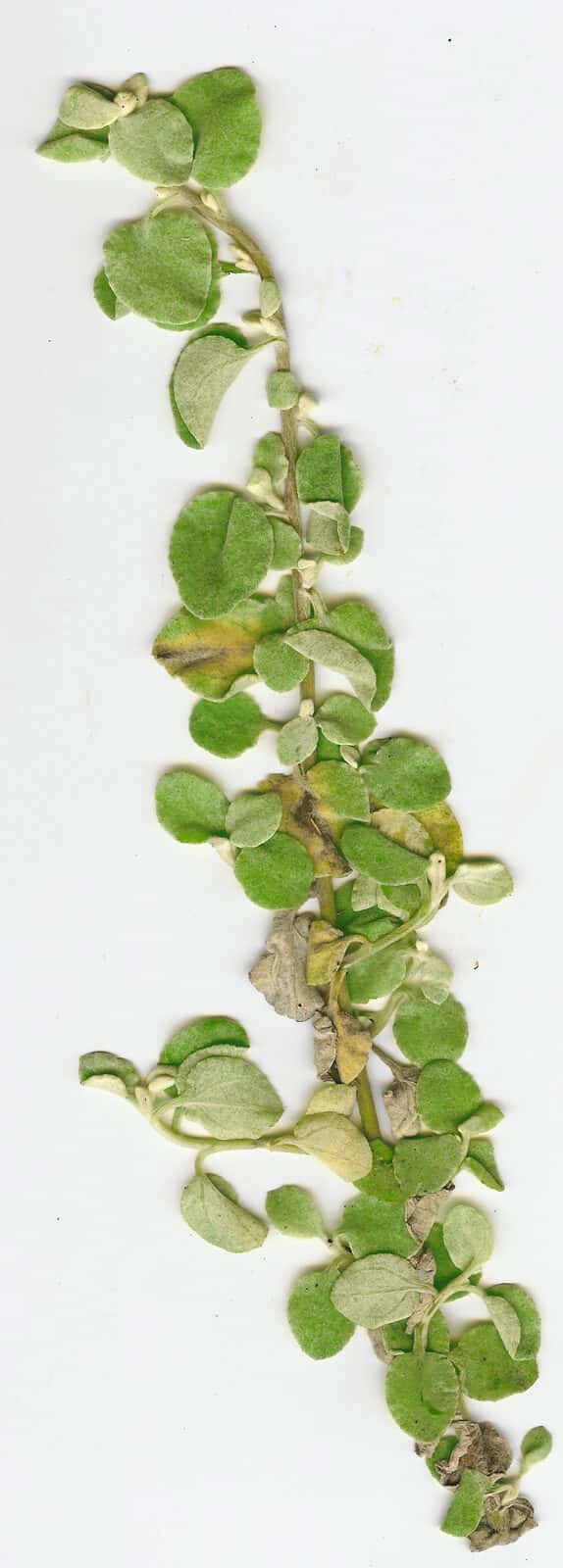
Licorice Plant (Helichrysum petiolare) is a easy-care plant from the Asteraceae family. Helichrysum petiolare is a fast-growing, evergreen trailing subshrub native to the Cape Provinces of South Africa, where it is known locally as kooigoed or impepho. It is grown almost exclusively for its soft, felted, silvery-grey rounded leaves, which release a faint licorice-like scent when brushe...
Licorice Plant grows up to 50cm, spread of 150cm, watering every 10 days, 7°C – 32°C, 30–60% humidity. It is suitable for indoor environments and safe for pets.
Unlike many tropical plants, Licorice Plant tolerates watering mistakes. Best for beginners. Unlike many popular species, Licorice Plant is safe to keep around pets. Without adequate drainage, root rot can develop within 20 days.
How to Care for Licorice Plant?
TLDR: Licorice Plant needs Bright indirect, watering every 10 days, and temperatures between 7-32°C with 30-60% humidity.
How Often Should You Water Licorice Plant?
Water deeply but infrequently, only once the top 2-5 cm (1-2 in) of soil has dried out. In containers this is usually every 7-12 days; in the ground, established plants may need water only during prolonged dry spells. Always let excess water drain away and never let the pot sit in a saucer of water.
How Much Light Does Licorice Plant Need?
Position in full sun to light shade. The silvery foliage color is most intense with at least 5-6 hours of bright, direct sun a day; in deep shade growth becomes sparse and less colorful.
What Is the Best Soil for Licorice Plant?
Plant in loose, well-draining soil such as a standard potting mix amended with perlite or coarse sand. Heavy, waterlogged or clay-rich soils quickly lead to root rot, so drainage matters more than fertility.
What Pot Should You Use for Licorice Plant?
A wide, shallow pot or hanging basket with drainage holes, which suits the plant's trailing, spreading habit.
Care Schedule
Fertilize
Every 60 days
Rotate
Every 14 days
Repot
Every 365 days
What Is Licorice Plant and Where Does It Come From?
Helichrysum petiolare is a fast-growing, evergreen trailing subshrub native to the Cape Provinces of South Africa, where it is known locally as kooigoed or impepho. It is grown almost exclusively for its soft, felted, silvery-grey rounded leaves, which release a faint licorice-like scent when brushed or crushed. The plant spreads and cascades vigorously, making it a favorite "spiller" in mixed containers, hanging baskets and window boxes, and it also works well as a fast, drought-tolerant groundcover in dry, sunny borders. Its small creamy-white flower clusters appear in summer but are considered insignificant compared to the foliage.
How to Propagate Licorice Plant?
Stem cutting
Roots form quickly, often within 2-3 weeks, in bright light without direct hot sun. Keep the medium barely moist, not wet, to avoid rot.
- 1 Cut a healthy 7-10 cm (3-4 in) stem tip just below a leaf node
- 2 Remove the lower leaves, leaving 2-3 at the top
- 3 Optionally dip the cut end in rooting hormone
- 4 Insert into a well-draining mix of perlite and potting soil, or place in water
- 5 Keep in bright, indirect light and lightly moist until roots form
Materials needed:
How Big Does Licorice Plant Grow?
TLDR: Licorice Plant can reach up to 50cm tall with Fast growth rate.
Max height
50cm
Spread
1.5m
Growth rate
Fast
Foliage
Evergreen
Plant Uses
Ornamental
Great for decoration
Ground Cover
Soil coverage
Aromatic
Pleasant fragrance
Is your plant showing symptoms?
Click on the symptom to discover possible causes:
What Diseases Commonly Affect Licorice Plant?
TLDR: Licorice Plant is susceptible to 6 known diseases. Monitor regularly for early detection.
Root Rot
Root rot is a serious fungal disease that affects the root system of plants, causing them to decay and die. It is primarily caused by overwatering, poor drainage, or soil-borne fungi such as Pythium, Phytophthora, Rhizoctonia, and Fusarium. The disease thrives in waterlogged conditions where roots are deprived of oxygen, making them susceptible to fungal infection.
Overwatering
Overwatering occurs when plants receive too much water, depriving roots of oxygen and causing root rot. This environmental stress is one of the most common causes of houseplant death, as waterlogged soil prevents roots from breathing and functioning properly.
Powdery Mildew
Powdery mildew is a common fungal disease caused by various fungi species including Erysiphe, Podosphaera, Oïdium, and Leveillula. It affects over 10,000 plant species worldwide. The disease thrives in warm, dry climates with high humidity and appears as a distinctive white powdery coating on plant surfaces.
Aphids
Aphids are small, soft-bodied, pear-shaped insects (1/16 to 1/8 inch long) that feed by sucking nutrient-rich sap from plants. They reproduce rapidly and can quickly weaken plants, causing distorted growth and transmitting plant viruses. Aphids come in various colors including green, black, red, yellow, brown, and gray. They secrete honeydew, a sticky substance that attracts ants and encourages sooty mold growth.
Meaning & Symbolism
In its native South Africa, related Helichrysum species (impepho) are dried and burned as incense by Xhosa and Zulu communities to honor ancestors, invite good fortune and mark spiritual cleansing ceremonies.
Fun Facts
Its silvery, felted leaves are grown almost entirely for foliage - the small creamy summer flowers are considered a minor bonus.
In South Africa it is called kooigoed, meaning "bedding stuff," because dried branches were once used to stuff mattresses and pillows.
A single plant can trail or spread over a meter (about 3 feet) in one growing season.
Brushing or crushing the leaves releases a faint scent reminiscent of licorice or curry.
Frequently asked questions
Is the licorice plant toxic to cats or dogs?
Why is my licorice plant dropping leaves or turning brown at the base?
Does the licorice plant need to be pruned?
Can I grow licorice plant indoors?
Why does it smell like licorice?
Compare with similar plants
| Attribute | Difficulty | Light | Watering | Pet Safe |
|---|---|---|---|---|
| Field Maple | Easy | Bright indirect | 14d | ✓ |
| Silver Birch | Easy | Direct sun | 14d | ✓ |
| Common Blanketflower | Easy | Direct sun | 10d | ✓ |
| Cushion Bush | Easy | Direct sun | 14d | ✓ |





