Asteraceae
Lilac tassel flower: Edible Plant
Emilia sonchifolia
Grow the lilac tassel flower in full sun, in light and well-drained soil, keeping the substrate slightly moist without waterlogging. It is a hardy, fast-growing plant that blooms in about 90 days and tolerates poor soils—in fact, it blooms better in them, as overly rich soils favor foliage over flowers. It requires little care beyond regular watering and good sun exposure.
Every 4 days
Bright indirect
° - °C
% - %
Categories
What is Lilac tassel flower?
Lilac tassel flower (Emilia sonchifolia) is a easy-care plant from the Asteraceae family. The lilac tassel flower (Emilia sonchifolia) is an annual herbaceous plant in the Asteraceae family, native to tropical Asia and now naturalized in many regions, including the Americas. It grows upright with a cylindrical, tender, and sparsely branched stem, reaching 30 to 70 cm in height. Basal lea...
Lilac tassel flower grows up to 70cm, watering every 4 days. It is not suitable for indoor environments and safe for pets.
Unlike many tropical plants, Lilac tassel flower tolerates watering mistakes. Best for beginners. Unlike many popular species, Lilac tassel flower is safe to keep around pets.
How to Care for Lilac tassel flower?
TLDR: Lilac tassel flower needs Bright indirect, watering every 4 days, and temperatures between 15-30°C with 40-70% humidity.
How Often Should You Water Lilac tassel flower?
Water every 3-4 days in the summer, allowing the soil surface to dry slightly between waterings; reduce frequency on cold or rainy days. Avoid waterlogging, which promotes root rot.
How Much Light Does Lilac tassel flower Need?
Prefers full sun for most of the day. In very shaded locations, the plant becomes leggy and produces few flowers—place it in an open garden bed or a pot near a well-lit window.
What Is the Best Soil for Lilac tassel flower?
Adapts to sandy, clayey, or loamy soils, provided they are well-drained and have a slightly acidic to neutral pH (5.5-7.5). Avoid excessive fertilization, which stimulates foliage at the expense of flowering.
What Pot Should You Use for Lilac tassel flower?
Clay or ceramic pots with drainage holes are ideal, as they help prevent water accumulation around the roots; use a light substrate mixed with sand.
What Is Lilac tassel flower and Where Does It Come From?
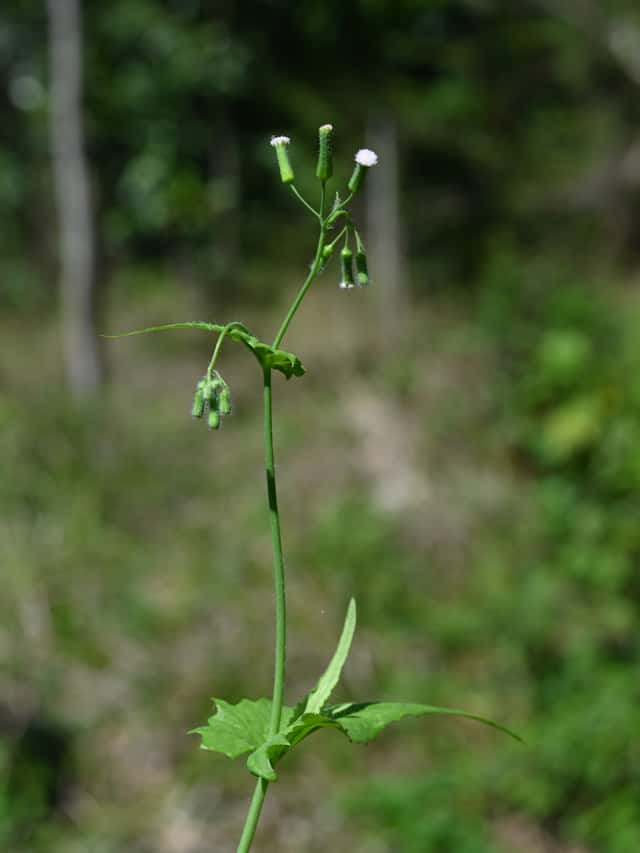
The lilac tassel flower (Emilia sonchifolia) is an annual herbaceous plant in the Asteraceae family, native to tropical Asia and now naturalized in many regions, including the Americas. It grows upright with a cylindrical, tender, and sparsely branched stem, reaching 30 to 70 cm in height. Basal leaves form a rosette, while stem leaves are arranged spirally; the tubular flowers, ranging from lilac to pink, gather in small terminal heads that resemble a brush—hence the common names Cupid's shaving brush and Flora's paintbrush. A hardy and spontaneous plant, it is found along roadsides, vacant lots, gardens, and cultivated areas, where it often behaves as a common weed.
How Big Does Lilac tassel flower Grow?
TLDR: Lilac tassel flower can reach up to 70cm tall with Fast growth rate.
Max height
70cm
Growth rate
Fast
Foliage
Deciduous
Warning: Toxic Plant
This plant can be toxic if ingested. Keep out of reach of:
Plant Uses
Ornamental
Great for decoration
Edible
Can be consumed
Medicinal
Medicinal properties
Medicinal Uses
- Leaf tea for fever, flu, and colds
- Decoction of leaves, flowers, and roots for bronchitis and pharyngitis/tonsillitis
- Leaf juice for eye inflammation and night blindness
- Leaf poultice for wounds, eczema, and burns
Culinary Uses
- Young leaves and shoots consumed raw in salads
- Cooked leaves as a vegetable, preferably harvested before flowering
- Flowers used battered and fried in traditional preparations
Is your plant showing symptoms?
Click on the symptom to discover possible causes:
What Diseases Commonly Affect Lilac tassel flower?
TLDR: Lilac tassel flower is susceptible to 6 known diseases. Monitor regularly for early detection.
Aphids
Aphids are small, soft-bodied, pear-shaped insects (1/16 to 1/8 inch long) that feed by sucking nutrient-rich sap from plants. They reproduce rapidly and can quickly weaken plants, causing distorted growth and transmitting plant viruses. Aphids come in various colors including green, black, red, yellow, brown, and gray. They secrete honeydew, a sticky substance that attracts ants and encourages sooty mold growth.
Powdery Mildew
Powdery mildew is a common fungal disease caused by various fungi species including Erysiphe, Podosphaera, Oïdium, and Leveillula. It affects over 10,000 plant species worldwide. The disease thrives in warm, dry climates with high humidity and appears as a distinctive white powdery coating on plant surfaces.
Slugs and Snails
Slugs and snails are mollusks that feed on plant tissue, causing irregular holes in leaves and damage to young seedlings. They are most active at night and in moist conditions, leaving characteristic silvery slime trails. These pests can quickly devastate gardens, especially during wet seasons.
Leafminers
Leafminers are the larvae of various insects including flies, moths, sawflies, and beetles that tunnel between leaf surfaces, creating distinctive serpentine trails or blotchy patches. While primarily cosmetic, severe infestations can weaken plants by reducing photosynthesis capacity and making them susceptible to secondary infections.
Meaning & Symbolism
In Kerala, India, the lilac tassel flower is one of the 'Ten Sacred Flowers' (Dasapushpam) used in rituals and the floral mandala of the Onam festival, symbolizing purity and devotion. As a spontaneous and resilient plant, it is also associated with vitality and adaptability.
Compare with similar plants
| Attribute | Difficulty | Light | Watering | Pet Safe |
|---|---|---|---|---|
| Field Maple | Easy | Bright indirect | 14d | ✓ |
| Silver Birch | Easy | Direct sun | 14d | ✓ |
| Common Blanketflower | Easy | Direct sun | 10d | ✓ |
| Cushion Bush | Easy | Direct sun | 14d | ✓ |





