Crassulaceae
Limestone Houseleek: Ground Cover Plant
Sempervivum calcareum
Very easy to maintain. Requires direct sunlight (minimum 6 hours/day) and very well-drained soil. Water sparingly—only when the soil has completely dried out. Fully drought-resistant. Exceptional cold tolerance (down to -34°C). Avoid excessive humidity at all costs, as it causes root rot. Virtually no fertilizer required.
Every 14 days
Direct sun
-34° - 29°C
% - 50%
Categories
What is Limestone Houseleek?
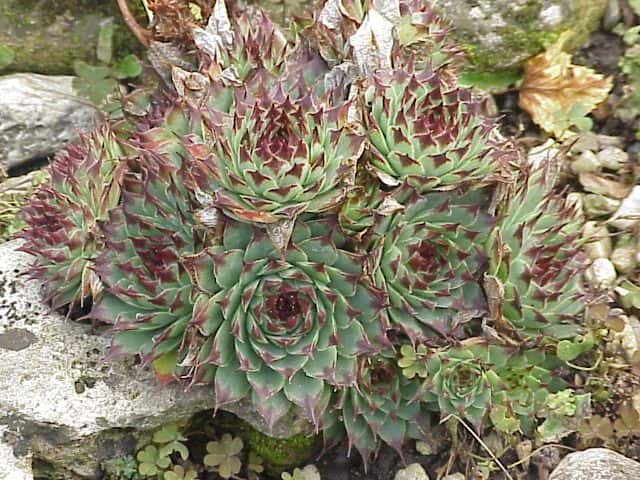
Limestone Houseleek (Sempervivum calcareum) is a easy-care plant from the Crassulaceae family. Sempervivum calcareum is a perennial alpine succulent, highly cold-hardy. It forms compact rosettes of fleshy leaves, often featuring distinct reddish-purple tips. Native to the limestone regions of Southern Europe, it is extremely drought-tolerant and thrives in poor, well-drained soils. Its intens...
Limestone Houseleek grows up to 10cm, spread of 10cm, watering every 14 days, -34°C – 29°C. It is suitable for indoor environments and safe for pets.
Unlike many tropical plants, Limestone Houseleek tolerates watering mistakes. Best for beginners. Unlike many popular species, Limestone Houseleek is safe to keep around pets. Without adequate drainage, root rot can develop within 28 days.
How to Care for Limestone Houseleek?
TLDR: Limestone Houseleek needs Direct sun, watering every 14 days, and temperatures between -34-29°C with 40-50% humidity.
How Often Should You Water Limestone Houseleek?
Water sparingly. Allow the soil to dry out completely between waterings, typically every 2-3 weeks. In winter, reduce watering further or stop entirely. The greatest risk is overwatering.
How Much Light Does Limestone Houseleek Need?
Prefers abundant direct sunlight (6+ hours daily). On very hot days, it can tolerate partial shade, but it develops best under full sun. The red coloration intensifies with more light.
What Is the Best Soil for Limestone Houseleek?
Use very well-drained soil with coarse sand, perlite, and rocks. It can grow in nutrient-poor soil—avoid soils rich in organic matter. The ideal mix is 1 part cactus soil + 1 part sand + 1 part perlite.
What Pot Should You Use for Limestone Houseleek?
Pot with a good drainage system (bottom hole). Prefers terracotta or ceramic pots. Small to medium size (10-15 cm).
What Is Limestone Houseleek and Where Does It Come From?
Sempervivum calcareum is a perennial alpine succulent, highly cold-hardy. It forms compact rosettes of fleshy leaves, often featuring distinct reddish-purple tips. Native to the limestone regions of Southern Europe, it is extremely drought-tolerant and thrives in poor, well-drained soils. Its intense colors stand out in rock gardens and arid landscapes. It is an excellent choice for beginners.
How Big Does Limestone Houseleek Grow?
TLDR: Limestone Houseleek can reach up to 10cm tall with Slow growth rate.
Max height
10cm
Spread
10cm
Growth rate
Slow
Foliage
Evergreen
Plant Uses
Ornamental
Great for decoration
Ground Cover
Soil coverage
Medicinal Uses
- Traditional anti-inflammatory properties
- Used in folk remedies for minor wounds
Is your plant showing symptoms?
Click on the symptom to discover possible causes:
What Diseases Commonly Affect Limestone Houseleek?
TLDR: Limestone Houseleek is susceptible to 6 known diseases. Monitor regularly for early detection.
Root Rot
Root rot is a serious fungal disease that affects the root system of plants, causing them to decay and die. It is primarily caused by overwatering, poor drainage, or soil-borne fungi such as Pythium, Phytophthora, Rhizoctonia, and Fusarium. The disease thrives in waterlogged conditions where roots are deprived of oxygen, making them susceptible to fungal infection.
Crown Rot
Crown rot is a serious fungal disease that attacks the crown (base) of the plant where the stem meets the soil. It is caused by various fungal pathogens including Phytophthora, Fusarium, and Rhizoctonia. The disease thrives in waterlogged conditions and can quickly spread to kill the entire plant if not addressed promptly.
Overwatering
Overwatering occurs when plants receive too much water, depriving roots of oxygen and causing root rot. This environmental stress is one of the most common causes of houseplant death, as waterlogged soil prevents roots from breathing and functioning properly.
Rust
Rust is a common fungal disease caused by fungi in the order Pucciniales that affects a wide variety of plants. The disease gets its name from the characteristic orange, yellow, or reddish-brown pustules that appear on leaves, resembling metal rust. This obligate fungal parasite requires living plants to survive and can cause significant economic losses in agricultural crops.
Meaning & Symbolism
A symbol of resilience and durability. In folk traditions, it is believed to protect the home against lightning and fires.
Compare with similar plants
| Attribute | Difficulty | Light | Watering | Pet Safe |
|---|---|---|---|---|
| Field Maple | Easy | Bright indirect | 14d | ✓ |
| Silver Birch | Easy | Direct sun | 14d | ✓ |
| Common Blanketflower | Easy | Direct sun | 10d | ✓ |
| Cushion Bush | Easy | Direct sun | 14d | ✓ |
Choose & Compare
Sources & References
- Succulent Care Guide: How to care for Sempervivum Calcareum - Succulents Box
- Sempervivum calcareum - Mountain Crest Gardens
- How to Grow and Care for Sempervivum - World of Succulents
- Sempervivum Diseases, Problems, and Pests - Garden.org
- Shop 'Sempervivum calcareum' Care and Growing Guide - Planet Desert
- How to grow sempervivum / RHS Growing Guide





