Lauraceae
Lingue (Persea lingue)
Persea lingue
A mild-temperate tree (USDA zones 8–9) for large gardens and parks, not a houseplant. Give it sun to part shade and deep, moist but very well-drained soil. Keep young trees evenly moist and never waterlogged, as wet soil invites Phytophthora root rot. Leaves and fruit are toxic to livestock.
Every 7 days
Partial shade
° - °C
% - %
Categories
What is Lingue?
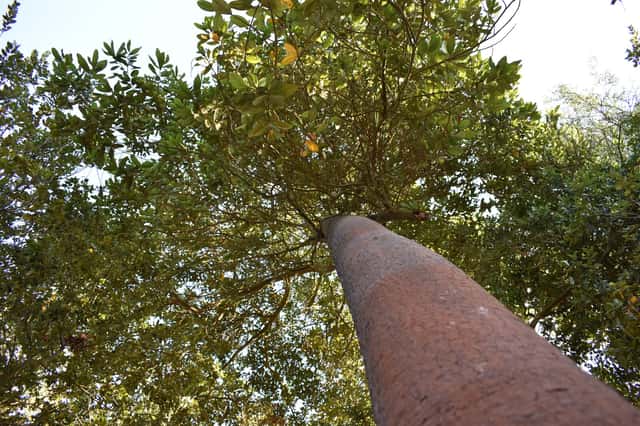
Lingue (Persea lingue) is a medium-care plant from the Lauraceae family. Lingue (Persea lingue) is an evergreen tree in the laurel family (Lauraceae), the same genus as avocado, endemic to the forests of central-southern Chile from Valparaíso to Chiloé. In the wild it reaches 15–30 m, with a straight trunk, brown-grey bark and a dense, rounded crown. The leaves are simpl...
Lingue grows up to 30.0m, watering every 7 days. It is not suitable for indoor environments and safe for pets.
Unlike many popular species, Lingue is safe to keep around pets.
How to Care for Lingue?
TLDR: Lingue needs Partial shade, watering every 7 days, and temperatures between 15-30°C with 40-70% humidity.
How Often Should You Water Lingue?
Water young trees about once a week in dry weather, keeping the soil lightly moist but never soggy. Established trees in a wet climate need little extra water.
How Much Light Does Lingue Need?
Full sun to part shade. It tolerates shade in the forest understory; young plants appreciate shelter from the harshest sun.
What Is the Best Soil for Lingue?
Deep, humus-rich soil with excellent drainage. Avoid spots where water stands or where avocado trees have died of root rot.
What Pot Should You Use for Lingue?
Only for a few years as a sapling: a deep pot with drainage holes and a free-draining mix. Its long-term place is in the ground in a large garden.
What Is Lingue and Where Does It Come From?
Lingue (Persea lingue) is an evergreen tree in the laurel family (Lauraceae), the same genus as avocado, endemic to the forests of central-southern Chile from Valparaíso to Chiloé. In the wild it reaches 15–30 m, with a straight trunk, brown-grey bark and a dense, rounded crown. The leaves are simple, leathery and glossy, 6–12 cm long, flushing bronze when new. The small (5–7 mm) yellow to yellowish-green, downy flowers come in branched panicles, followed by 1.2–1.8 cm berries that ripen from green to black-violet and are spread by pigeons and other birds. It grows in deep, moist soils near streams and on shaded slopes up to about 900 m. Its timber was heavily logged, and its tannin-rich bark fed the Valdivia leather industry. It is rarely grown outside Chile.
How to Propagate Lingue?
Seed
As in other laurels, the seed loses viability if it dries out, so sow it fresh.
- 1 Pick the fruit once it turns black-violet
- 2 Remove the pulp and rinse the seed
- 3 Sow fresh, 1-2 cm deep, in a moist, well-drained mix
- 4 Keep in a sheltered, part-shaded spot until the seedling is established
Materials needed:
Stem cuttings
Chilean trials showed cuttings can root, with results depending on the season of collection; it needs a greenhouse and patience.
- 1 Take semi-hardwood cuttings from young shoots
- 2 Treat with rooting hormone (IBA)
- 3 Insert in a light mix under mist or in a humid greenhouse
- 4 Wait for roots before potting on
Materials needed:
How Big Does Lingue Grow?
TLDR: Lingue can reach up to 30.0m tall with Medium growth rate.
Max height
30.0m
Foliage
Evergreen
Plant Uses
Ornamental
Great for decoration
Medicinal Uses
- The bark was used in folk medicine as an astringent and once appeared in pharmacopoeias as cortex Lauri lingue; do not use without professional advice.
Is your plant showing symptoms?
Click on the symptom to discover possible causes:
What Diseases Commonly Affect Lingue?
TLDR: Lingue is susceptible to 2 known diseases. Monitor regularly for early detection.
Phytophthora Root Rot
Disease caused by fungus-like organisms (oomycetes) that live in soil and can survive for years. It affects roots, stem, and crown of plants, being especially severe in waterlogged or poorly drained soils. It is the second most common cause of root rot in trees and shrubs.
Root Rot
Root rot is a serious fungal disease that affects the root system of plants, causing them to decay and die. It is primarily caused by overwatering, poor drainage, or soil-borne fungi such as Pythium, Phytophthora, Rhizoctonia, and Fusarium. The disease thrives in waterlogged conditions where roots are deprived of oxygen, making them susceptible to fungal infection.
Fun Facts
Its tannin-rich bark supported the Valdivia leather industry in the late 1800s, which exported to Hamburg and Le Havre
Lingue marks the southern limit of the laurel family in the Americas
Pigeons feed on the fruit and spread the seeds through the forest
Frequently asked questions
Is lingue related to avocado?
Is lingue poisonous?
Can I grow lingue in a pot?
What climate does lingue need?
Compare with similar plants
| Attribute | Difficulty | Light | Watering | Pet Safe |
|---|---|---|---|---|
| Dark Fieldcap | Medium | Low light | 2d | ⚠️ |
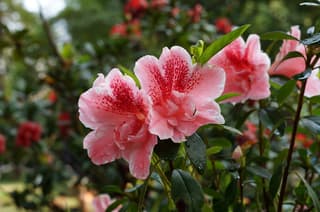
| Azalea | Medium | Partial shade | 3d | ⚠️ |
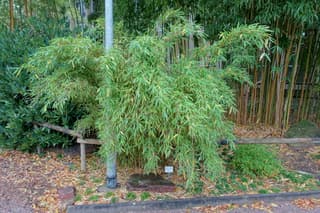
| Muriel's Bamboo | Medium | Partial shade | 3d | ✓ |
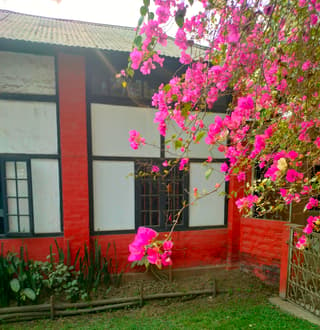
| Bougainvillea | Medium | Direct sun | 7d | ⚠️ |
Choose & Compare
Sources & References
- Trees and Shrubs Online — Persea lingue (Ruiz & Pav.) Nees
- Ministerio del Medio Ambiente (Chile) — Ficha de especie clasificada: Persea lingue
- Wikipedia — Persea lingue
- California Avocado Society Yearbook 1951 — root rot trials with Persea species (P. lingue susceptible)
- Easyscape — Persea lingue (Lingue)