Fabaceae
Dwarf Kowhai: Medicinal Uses & Care Tips
Sophora prostrata
A hardy, low-maintenance native shrub: give it full sun, free-draining soil, and let it dry out between waterings. It is naturally pest- and disease-resistant, drought-tolerant once established, and needs only light pruning after flowering.
Every 7 days
Bright indirect
-5° - 28°C
40% - 70%
Categories
What is Dwarf Kowhai?
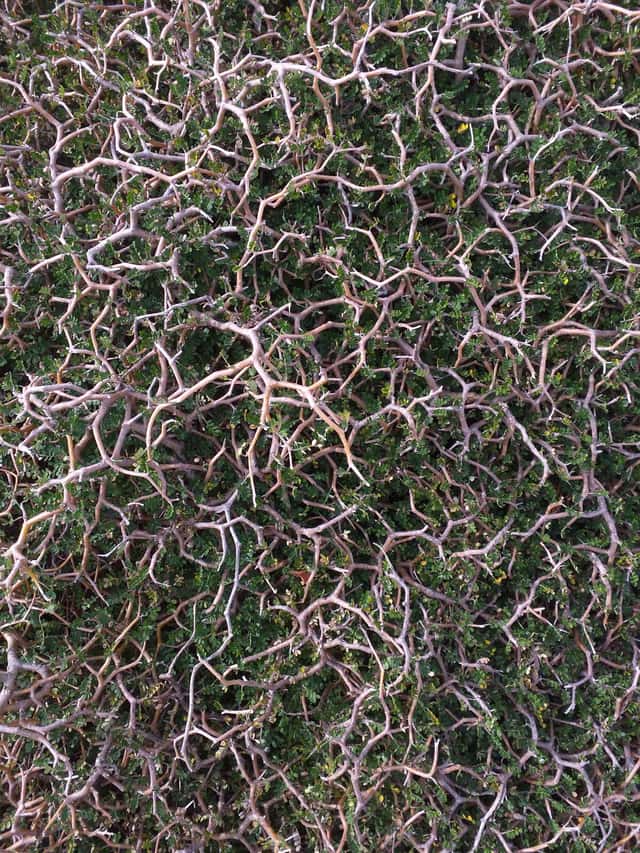
Dwarf Kowhai (Sophora prostrata) is a medium-care plant from the Fabaceae family. Sophora prostrata is a small, slow-growing evergreen shrub native to the dry hill country of New Zealand's South Island, prized for its dense tangle of wiry, zigzagging branches and tiny compound leaflets. In late winter to spring it produces clusters of tubular, pea-like yellow flowers that give th...
Dwarf Kowhai grows up to 2.0m, spread of 150cm, watering every 7 days, -5°C – 28°C, 40–70% humidity. It is suitable for indoor environments and not safe for pets.
Without precautions, ingestion can cause irritation in pets. Keep out of reach of cats and dogs. Without adequate drainage, root rot can develop within 14 days.
How to Care for Dwarf Kowhai?
TLDR: Dwarf Kowhai needs Bright indirect, watering every 7 days, and temperatures between -5-28°C with 40-70% humidity.
How Often Should You Water Dwarf Kowhai?
Water deeply but infrequently, letting the top layer of soil dry out between waterings. This shrub is drought-tolerant once established and dislikes soggy, waterlogged roots.
How Much Light Does Dwarf Kowhai Need?
Give it full sun to thrive and flower well; it tolerates partial shade but growth and flowering slow down noticeably in lower light.
What Is the Best Soil for Dwarf Kowhai?
Plant in well-draining, loamy soil with a slightly acidic to neutral pH (around 6-7.5). Sharp drainage is essential - this shrub struggles in heavy, waterlogged clay.
What Pot Should You Use for Dwarf Kowhai?
Choose a wide, sturdy pot with generous drainage holes - terracotta or unglazed ceramic is ideal, since it helps excess moisture evaporate and suits this shrub's preference for drying out between waterings. Because Sophora prostrata is often trained as bonsai, a shallow bonsai tray also suits mature specimens.
Care Schedule
Fertilize
Every 30 days
Rotate
Every 14 days
Repot
Every 730 days
What Is Dwarf Kowhai and Where Does It Come From?
Sophora prostrata is a small, slow-growing evergreen shrub native to the dry hill country of New Zealand's South Island, prized for its dense tangle of wiry, zigzagging branches and tiny compound leaflets. In late winter to spring it produces clusters of tubular, pea-like yellow flowers that give the wider kowhai genus its Maori name, meaning "yellow". The rigid, interlocking branch pattern (divarication) is thought to be an evolutionary defence against browsing by the now-extinct moa. Popular as a specimen shrub, low hedge, or bonsai subject, it tolerates coastal exposure and poor soils once established but needs full sun and sharp drainage to thrive.
How Big Does Dwarf Kowhai Grow?
TLDR: Dwarf Kowhai can reach up to 2.0m tall with Slow growth rate.
Max height
2.0m
Spread
1.5m
Growth rate
Slow
Foliage
Evergreen
Warning: Toxic Plant
This plant can be toxic if ingested. Keep out of reach of:
Plant Uses
Ornamental
Great for decoration
Medicinal
Medicinal properties
Medicinal Uses
- Traditionally, kowhai bark was heated and used as an external poultice or infusion for wounds, bruising, sprains and muscular pain in Maori rongoa (medicine)
- Bark infusions were also applied externally for skin conditions; all parts of the plant contain the toxic alkaloid cytisine and were never taken internally
Is your plant showing symptoms?
Click on the symptom to discover possible causes:
What Diseases Commonly Affect Dwarf Kowhai?
TLDR: Dwarf Kowhai is susceptible to 2 known diseases. Monitor regularly for early detection.
Caterpillars
Caterpillars are the larval stage of moths and butterflies that feed voraciously on plant foliage, stems, flowers, and fruits. Common species include cabbage loopers, tomato hornworms, armyworms, and cutworms. These pests can cause extensive damage by consuming large amounts of plant tissue in a short time. They vary in size from small (1/4 inch) to large (5 inches), with colors ranging from green to brown, often featuring stripes or spots. Caterpillars are highly mobile and can quickly spread throughout gardens, making them one of the most destructive common pests.
Aphids
Aphids are small, soft-bodied, pear-shaped insects (1/16 to 1/8 inch long) that feed by sucking nutrient-rich sap from plants. They reproduce rapidly and can quickly weaken plants, causing distorted growth and transmitting plant viruses. Aphids come in various colors including green, black, red, yellow, brown, and gray. They secrete honeydew, a sticky substance that attracts ants and encourages sooty mold growth.
Meaning & Symbolism
In Maori tradition, kowhai (the word also means "yellow") is treasured as a herald of spring, its flowering once used to signal the time to plant kumara. Felling a kowhai tree was traditionally considered tapu, reflecting the deep respect the plant holds in Maori culture and its enduring place in songs and legends.
Compare with similar plants
| Attribute | Difficulty | Light | Watering | Pet Safe |
|---|---|---|---|---|
| Dark Fieldcap | Medium | Low light | 2d | ⚠️ |
| Azalea | Medium | Partial shade | 3d | ⚠️ |
| Muriel's Bamboo | Medium | Partial shade | 3d | ✓ |
| Bougainvillea | Medium | Direct sun | 7d | ⚠️ |
Choose & Compare
Sources & References
- Sophora prostrata (kowhai) - RHS
- How To Grow Sophora prostrata - EarthOne
- Prostrate Kowhai (Sophora prostrata) - NZ Native Plants
- Kowhai moth caterpillar - Manaaki Whenua Landcare Research
- Rongoa - medicinal use of plants - Te Ara Encyclopedia of New Zealand
- Sophora Prostrata Little Baby Care Guide - plantandstories




